Historic Hue
Hue takes us back (Hue Hue back… ) to the many Nguyen kings of Vietnam’s last dynasty. Hue was the capital city of this 150 year long dynasty that had an everlasting impact on Vietnamese culture history.
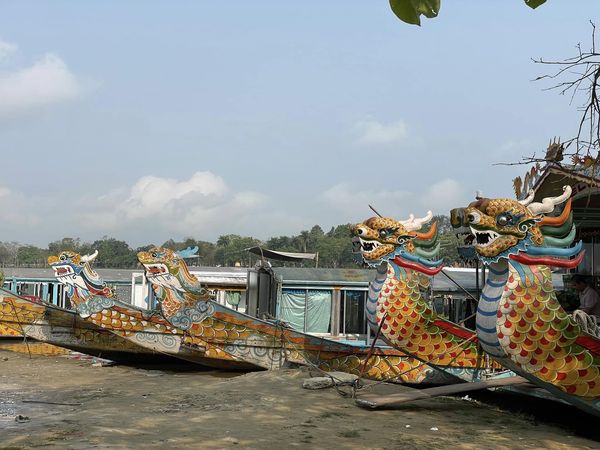
A dragon boat along the Perfume River started our journey through the history of Hue. The name comes from the autumn drop of scented flowers from orchards upriver. In the old days, people burned incense offerings as they travelled up the river so I guess the scent was year round.
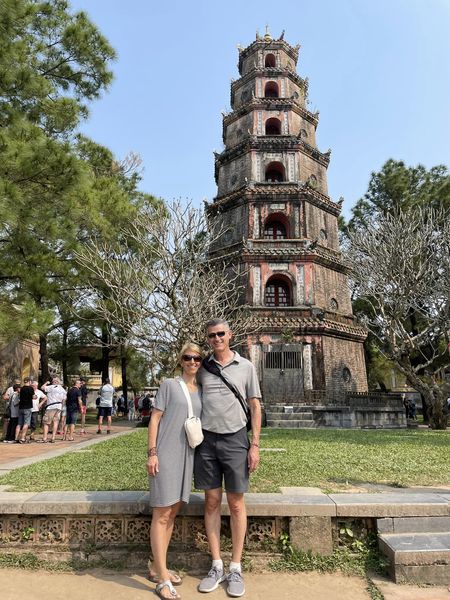
The Thien Mu (Heavenly Lady) pagoda, is the symbol of Hue. Seven sacred floors each house a Buddha. Seven is a significant number in Buddhist culture for lots of reasons, among them, Buddha is said to have ascended seven steps at his birth, and there is a belief that anything more than seven days in the future is beyond human control (time to dispense with our obsession with one, three and five year plans, I guess). Another good one is there are seven Buddhist virtues: generosity, proper conduct, renunciation, wisdom, energy, patience, honesty, determination, good will and equanimity. I guess these didn’t apply to most emperors: those with 500 wives; those who used public funds for their own benefit; those who willingly gave up Vietnamese independence and happily operated as puppet emperors.
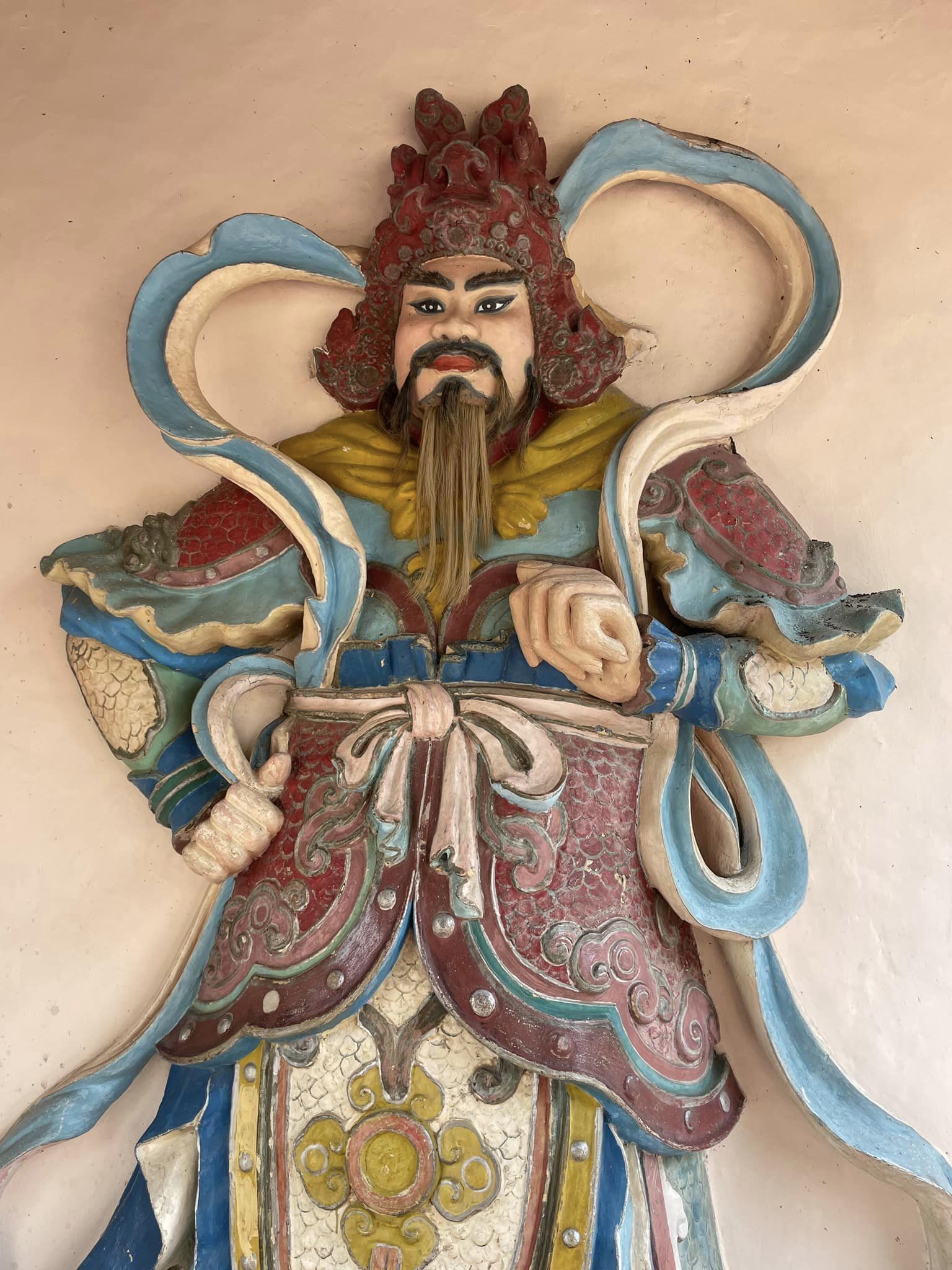
One of 12 guards of Heavenly Lady Pagoda. Better be careful or you’ll have to contend with this guy!
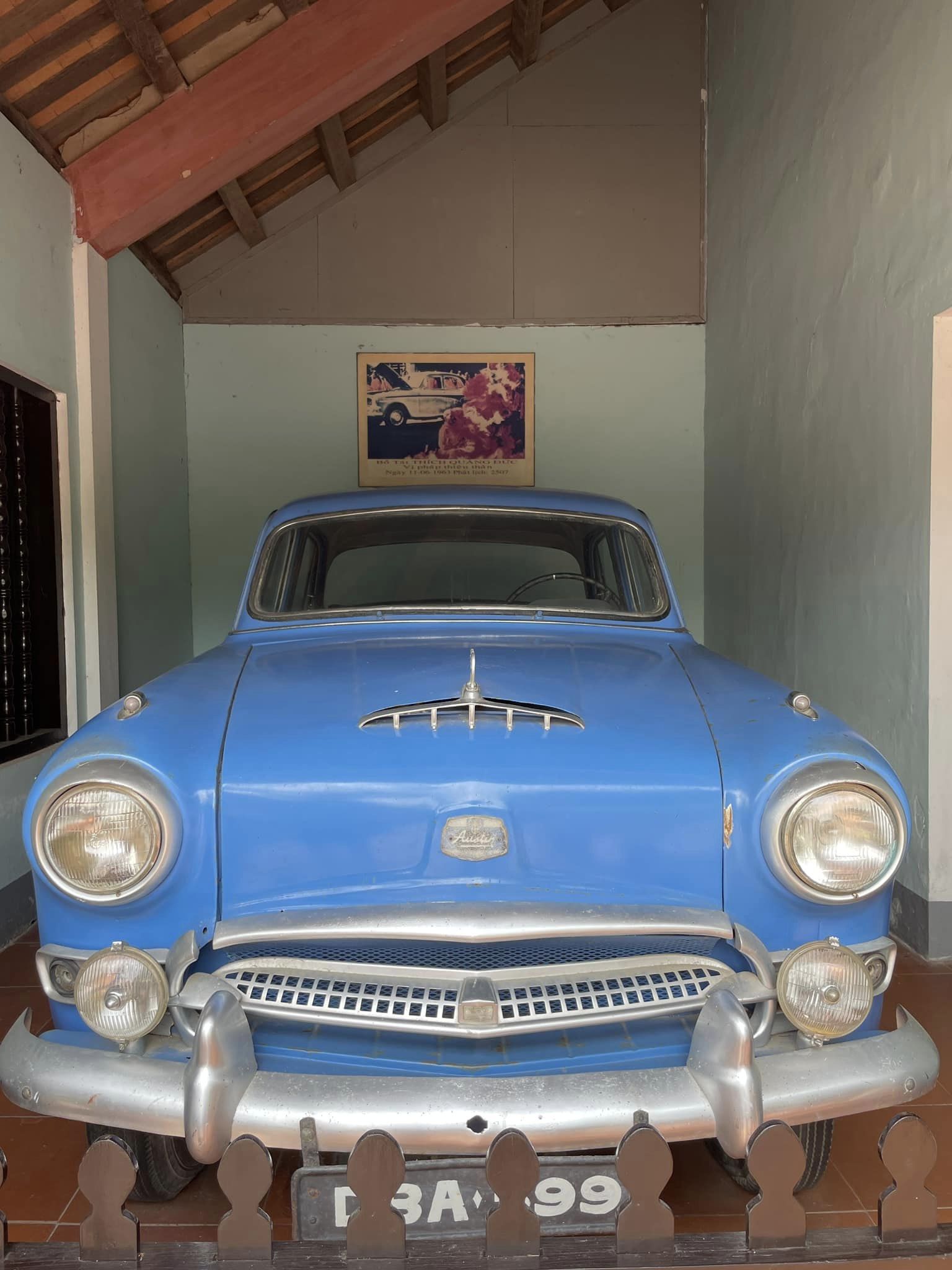
June 11, 1963 was one of many a day that goes down in Vietnamese history. An important image that circulated around the world that brought attention the the plight of peace-loving Buddhists. The monk, Thich Quang Duc, drove in this car to Saigon. He got out of his car, calmly sat in the middle of the street and set himself on fire in protest of the persecution of Buddhists by the South-Vietnamese government which was led by a Catholic. Despite the lack of social media in 1963, the photographs of this event circulated around the world and put pressure on the regime to address the issue. At the end of the ordeal, when his ashes were removed, they discovered that his heart did not burn. This was proof that his intentions were pure. Cynics say it was all staged and the monk was sent by the powers that be to do this to raise awareness of the issue.
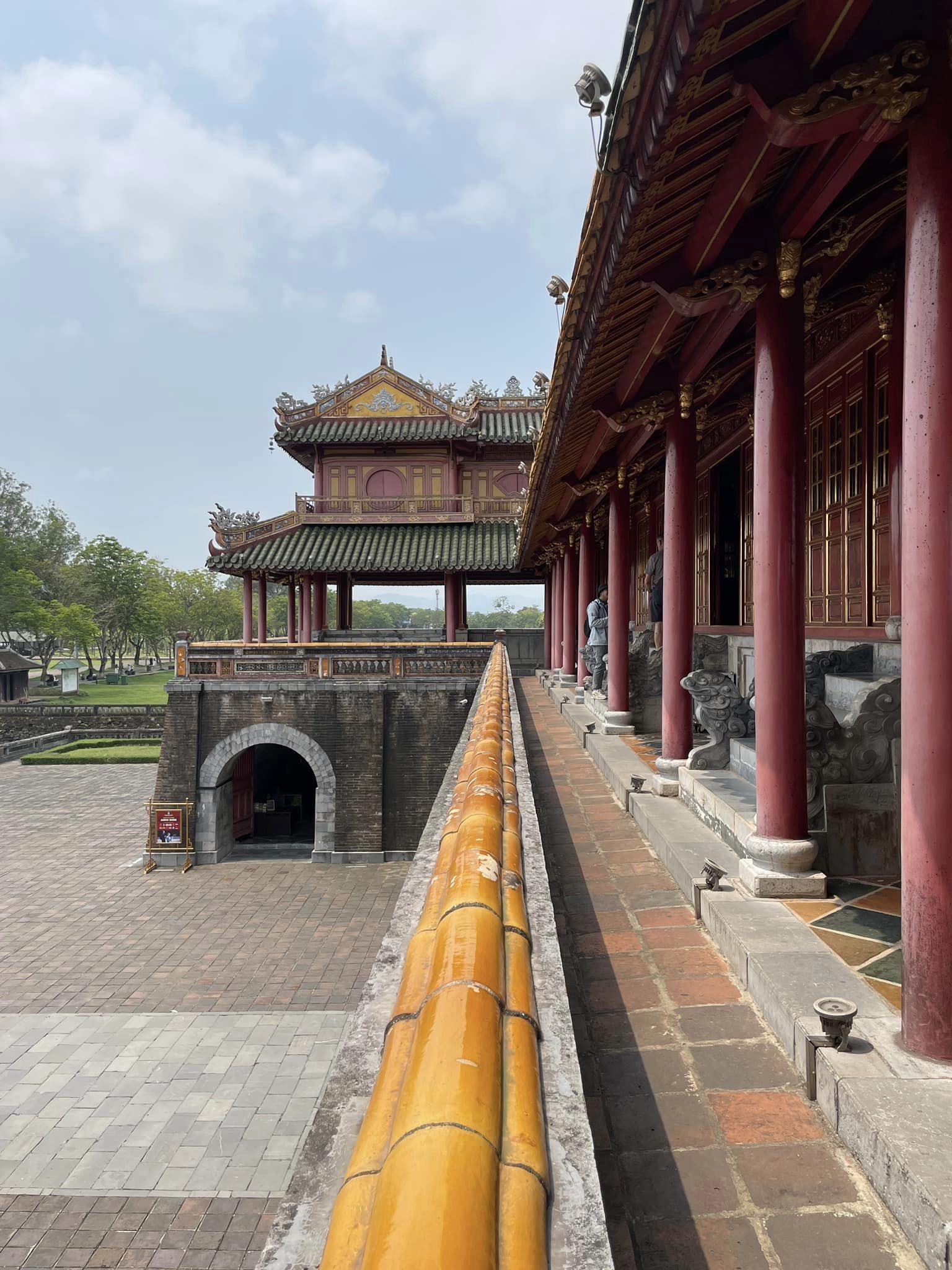
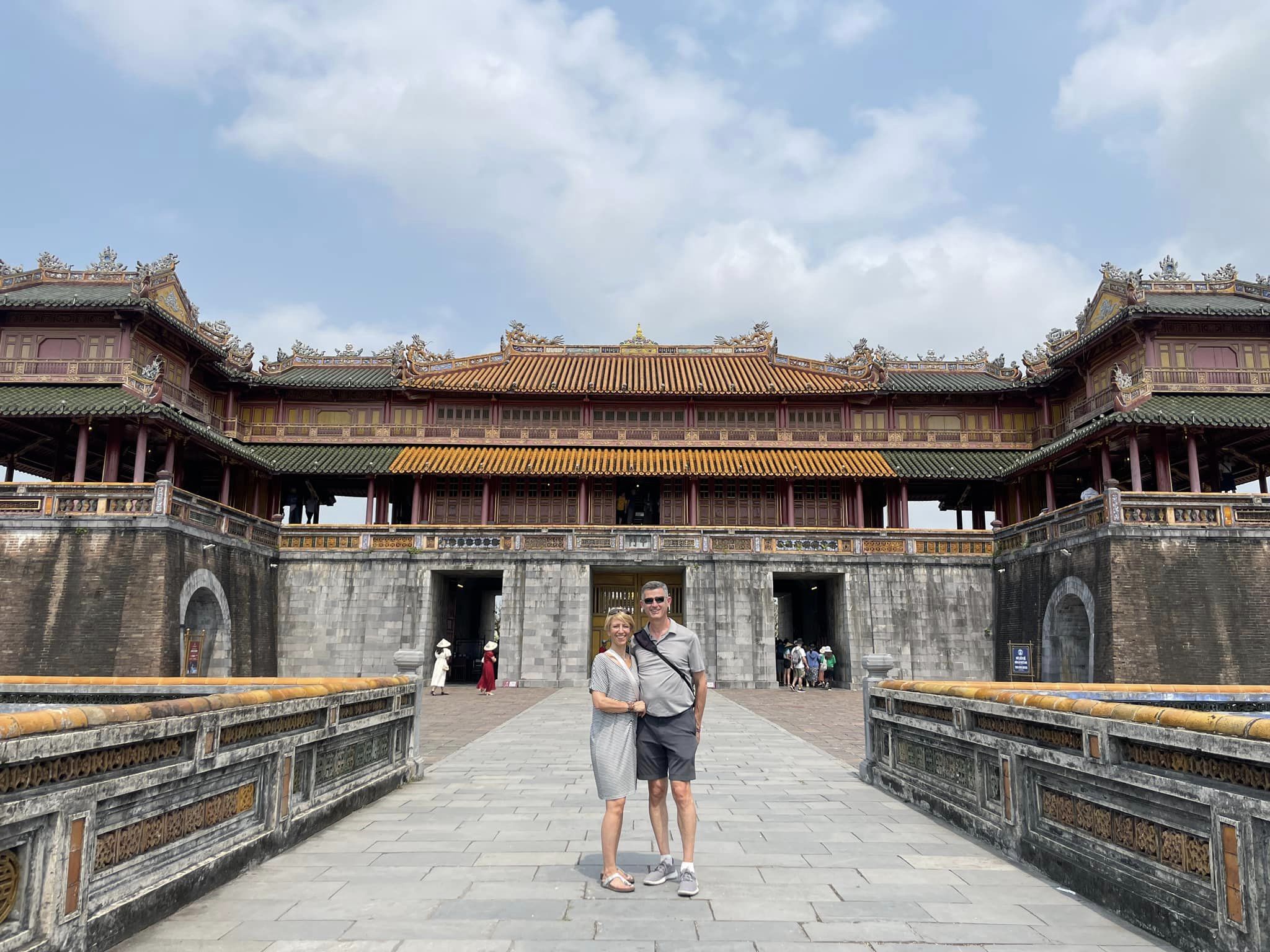
Noon Gate, the main entrance to the Imperial City of Hue.
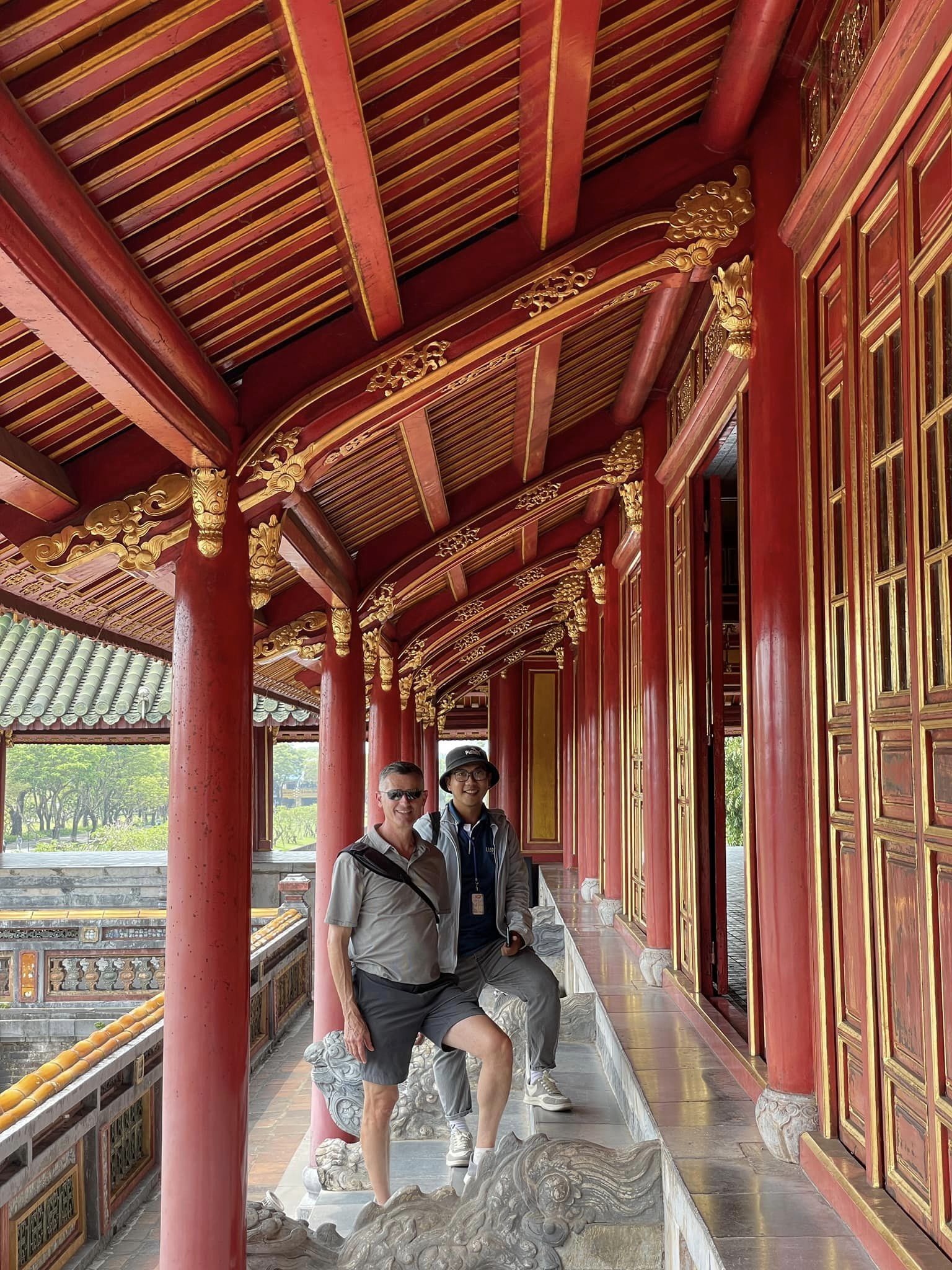
Adam with our most wonderful guide Fletcher.
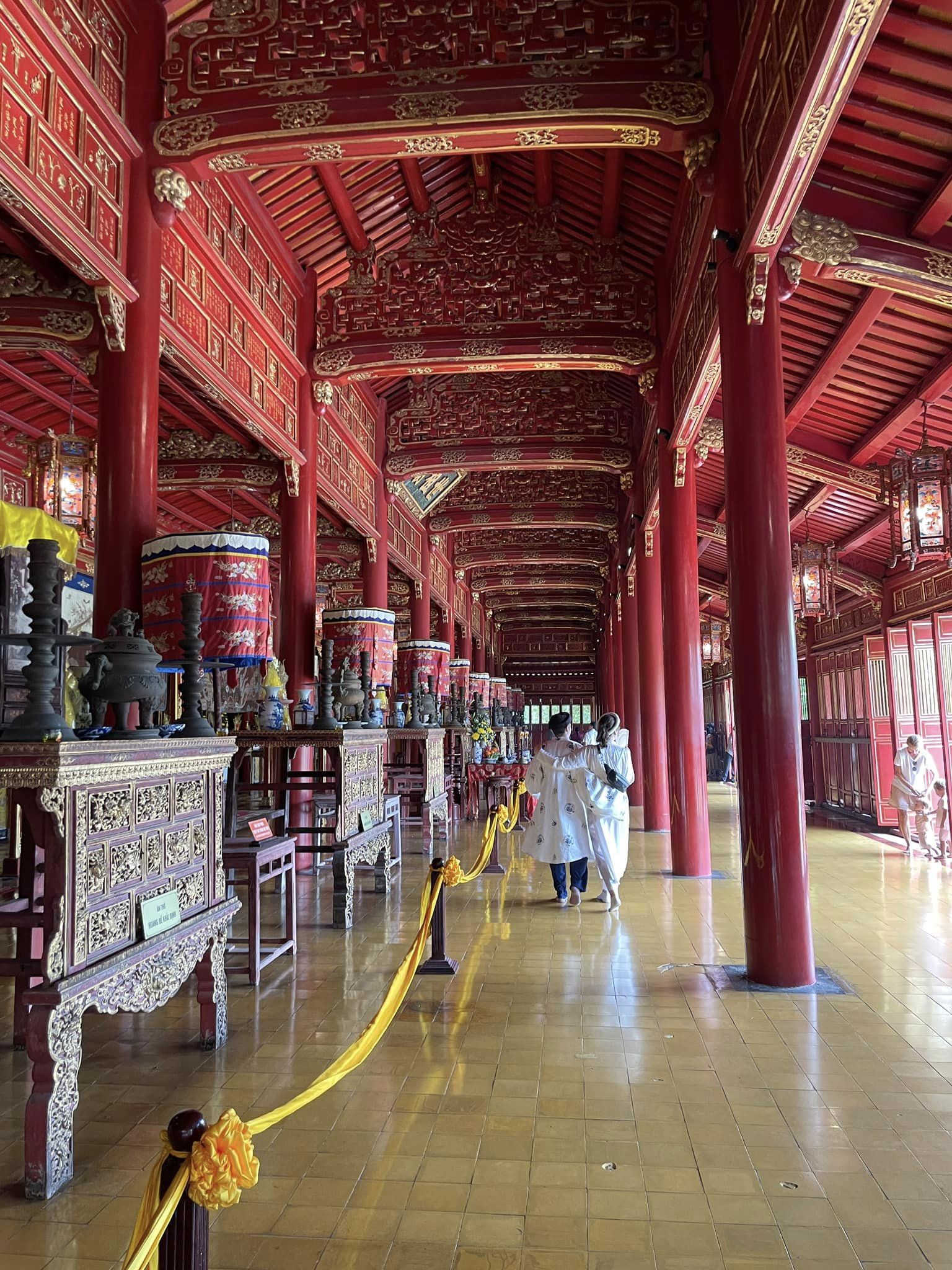
Altars for ten of the 13 emperors of the Nguyen Dynasty. Why are only 10 honoured in this way? Well, let’s go back to the seven Buddhist virtues that don’t seem to apply to royalty… Missing from here is King #5, Duc Duc, who ruled a mere three days before he was dethroned and imprisoned. He tried to mess with the coronation protocol which involved an official statement of the incoming monarch’s positive and negative qualities. Apparently Duc Duc had some doozies in the negative column so he cheated during the coronation ceremony, asking that his negative qualities not be shared. The Queen Mother found out and out he went! We affectionately call this period “Duc Duc Go!” Hiep Hoa was King #6 who ruled a bit longer than his predecessor; a whopping four months. What did he do? Well, a bit more nefarious than Duc Duc. Hiep Hoa thought he was a puppet of his advising Mandarins and conspires to kill them off. The mandarins told the queen mother who dethroned him. He was sentenced to suicide. There is a bit of a back story here. Hiep Hoa negotiated with the French to leave the dynasty alone because his army was weaker than that of the French. He was thought to have betrayed the dynasty but in reality, perhaps he was preserving it. And so begins the era of puppet kings. Khai Dinh, King #12, the second last emperor of the Nguyen Dynasty and the second last emperor of Vietnam, was a selfish fellow. He ruled for 9 years and thought he was pretty special. He felt he deserved a pretty spectacular tomb and convinced the French to raise taxes by 30% to fund his tomb’s construction (which took 11 years). Needless to say, the people were not his greatest fans.
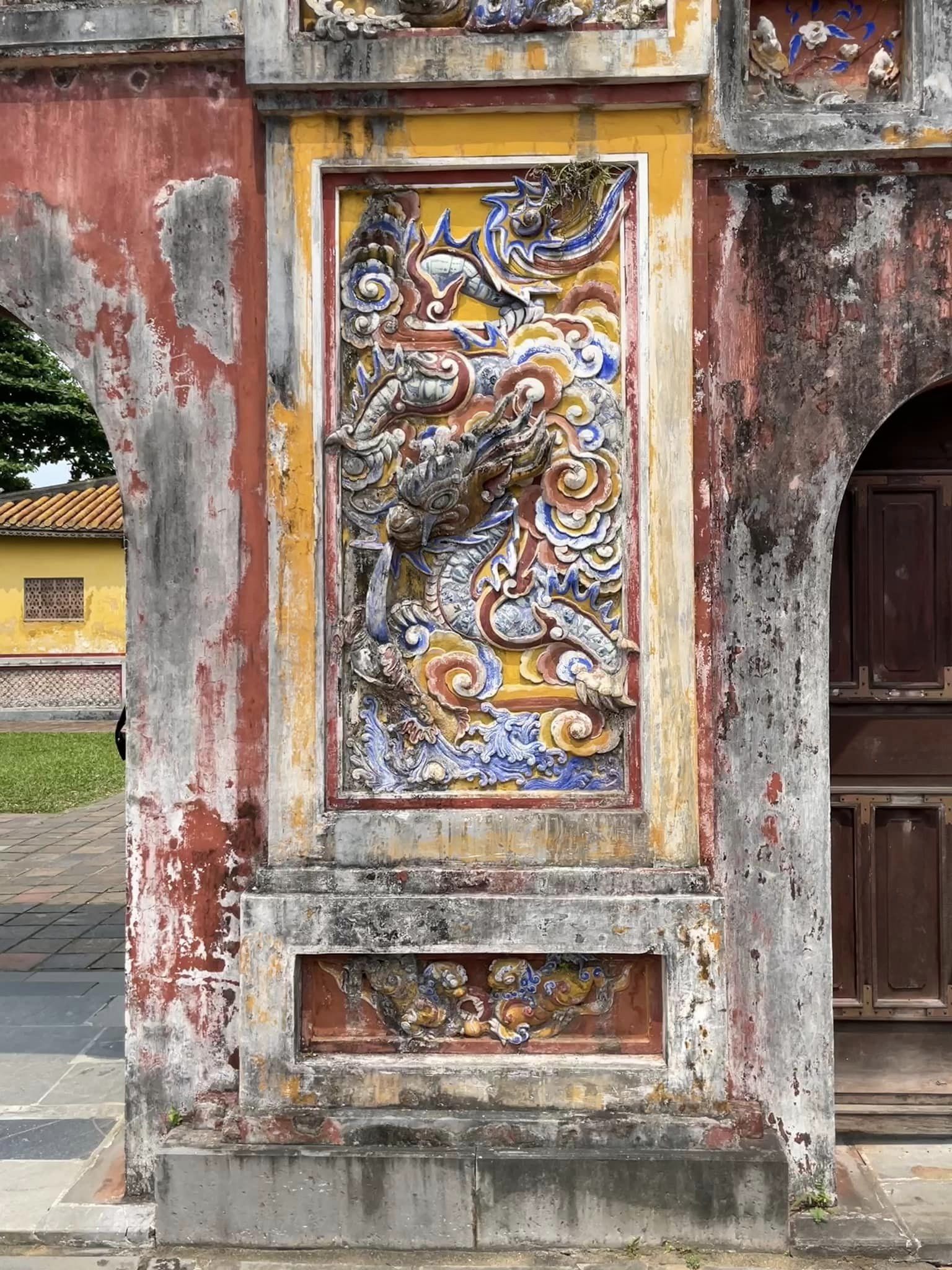
Khai Dinh, king #12, was enamoured with western style and incorporated broken bits of European pottery into artwork.
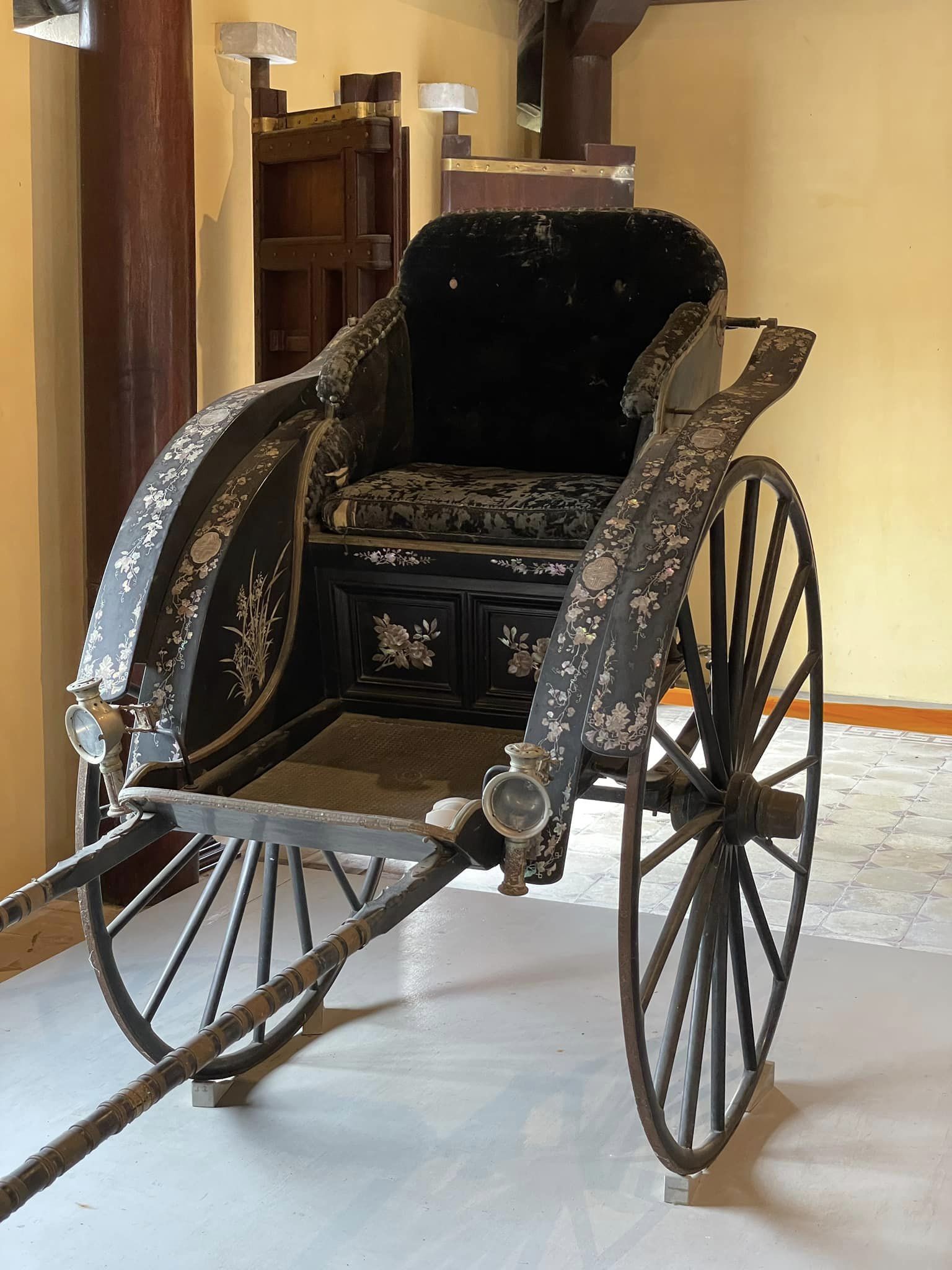
The Queen Mother Tu Minh’s rickshaw was a gift from her son, King Than Thai (king #10). Interestingly, she was also the wife of the shortest ruling king (#5)…we won’t try to navigate the provenance of the other four in between, trust me, it’s a tangled web. So, back to the rickshaw. After Than Thai was dethroned by the French (for acting against the French invaders…what’s a puppet king to do?) the beautiful, mother-of-pearl inlaid rickshaw was sold in the market to a French guy. Over a hundred years later, it reappeared in an auction in Paris. It was bought for 45,000 Euros and repatriated to Vietnam which cost another $71,000 US in shipping. If they waited a few years, maybe they could have gotten it back for free now that artifacts the world over are being returned to their original homes.
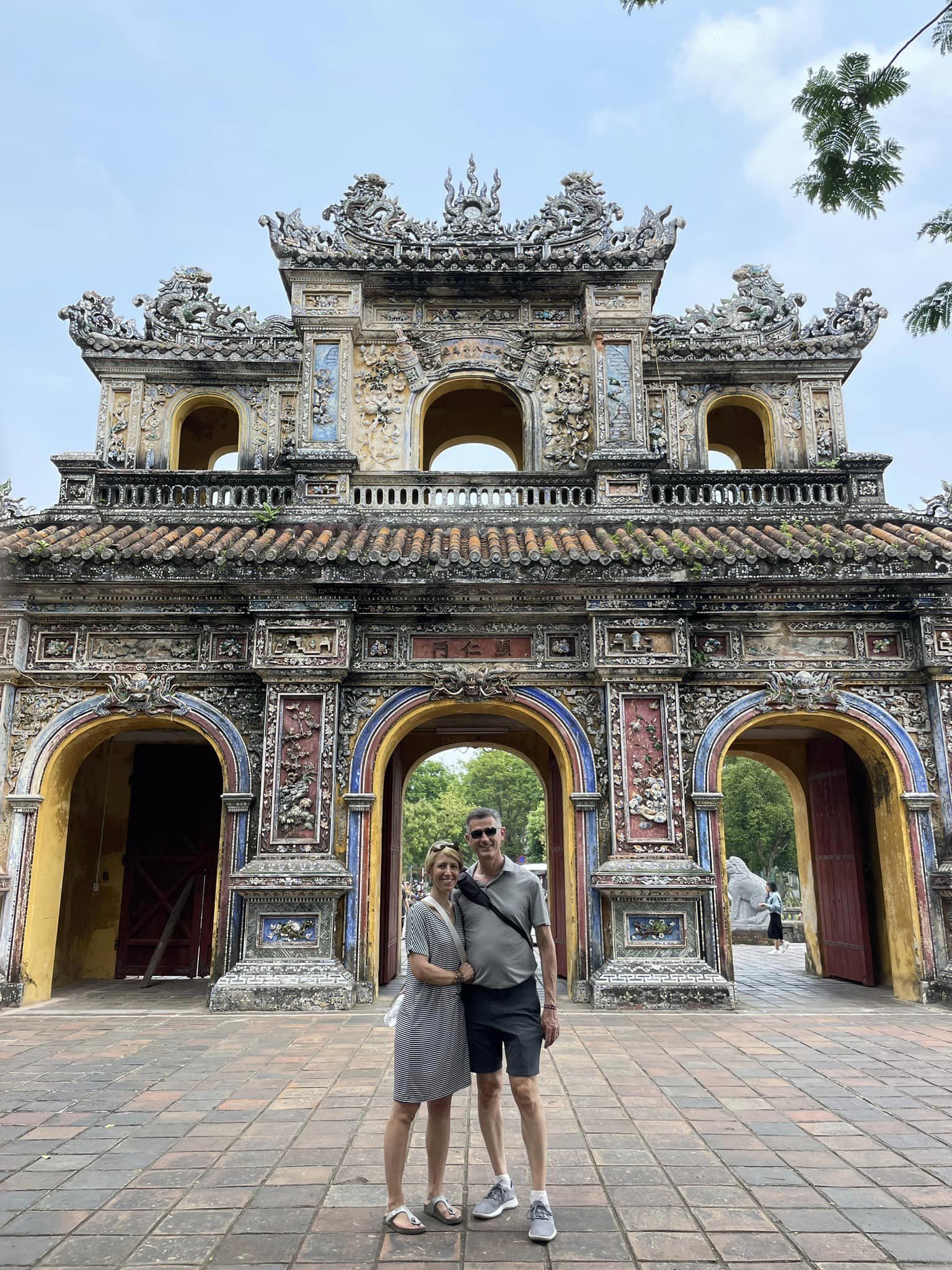
The Imperial City’s exit…not as grand at the Noon Gate entrance but still pretty grand!
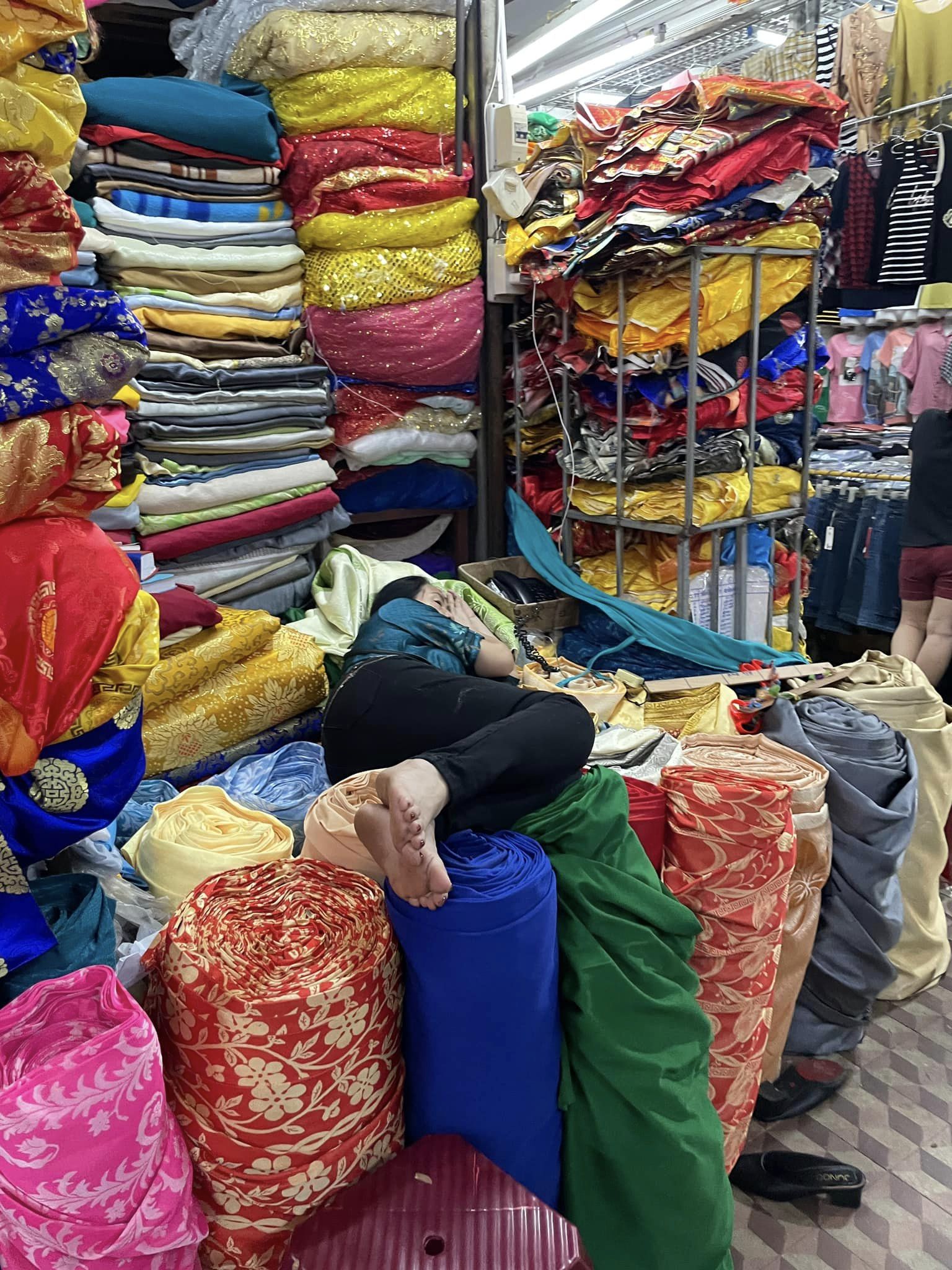
Napping at the Dong Ba market. Pretty comfortable spot.
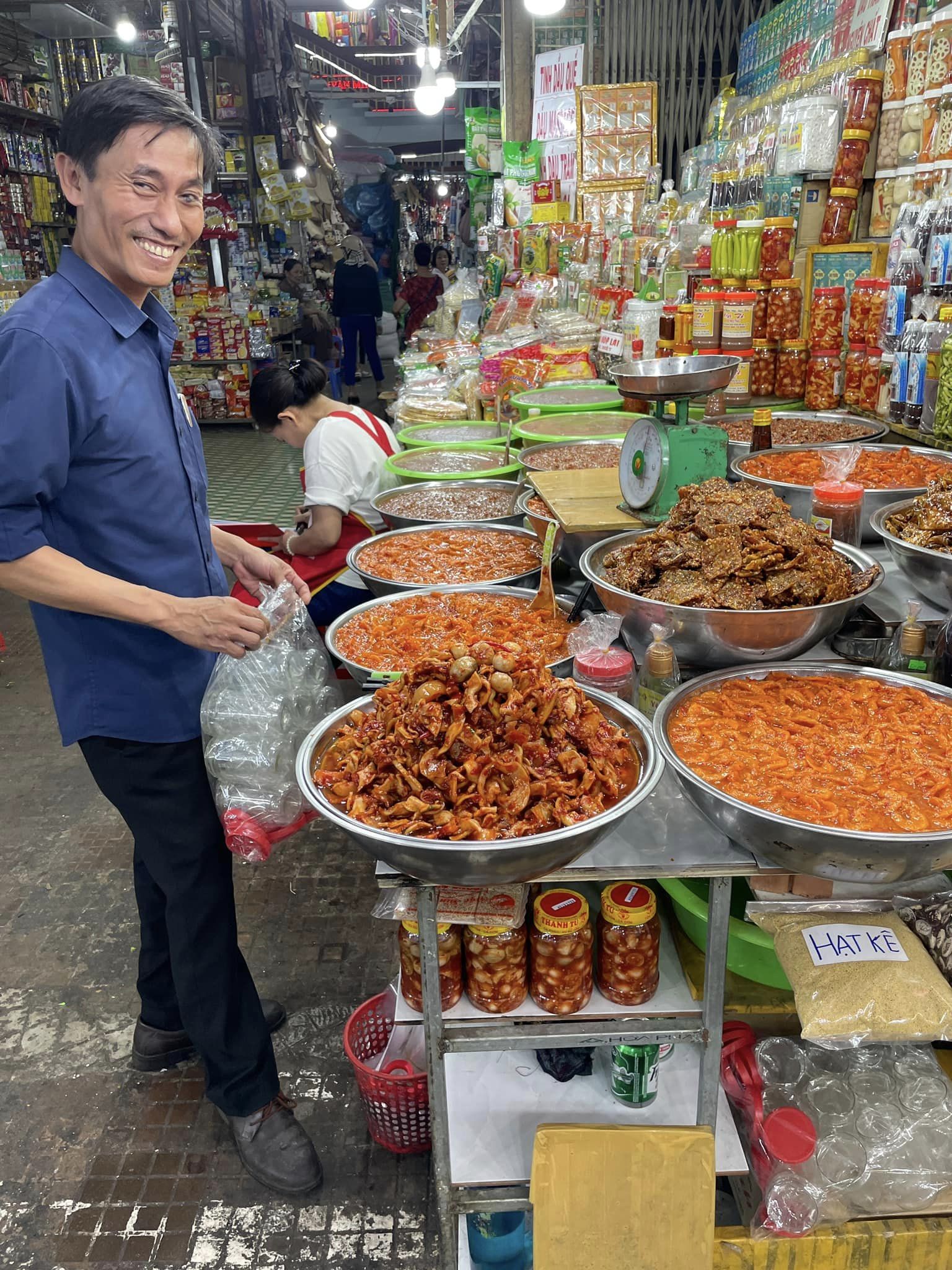
Spicy stuff from a spicy guy!
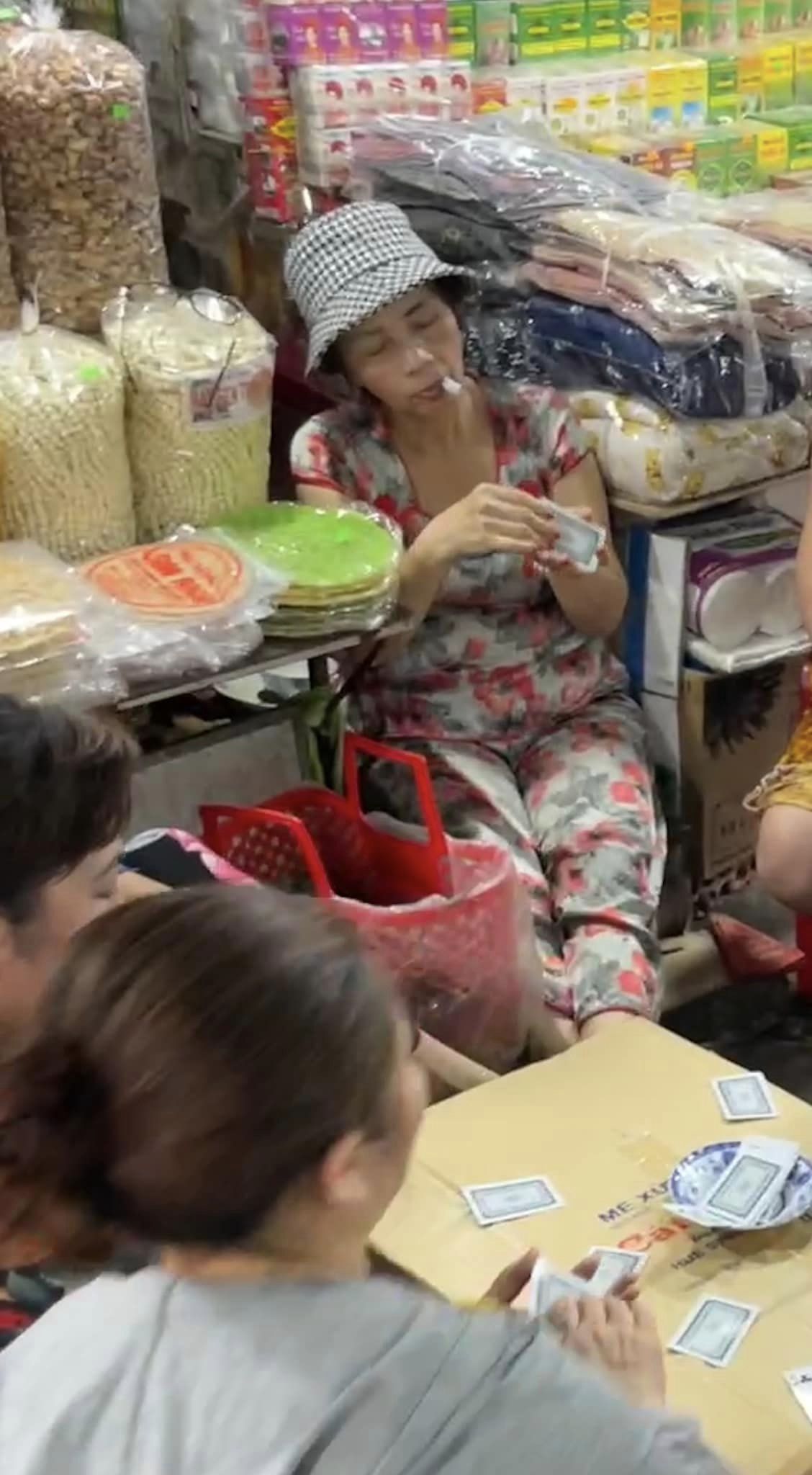
A veteran player taking her game very seriously. Don’t mess with this lady!
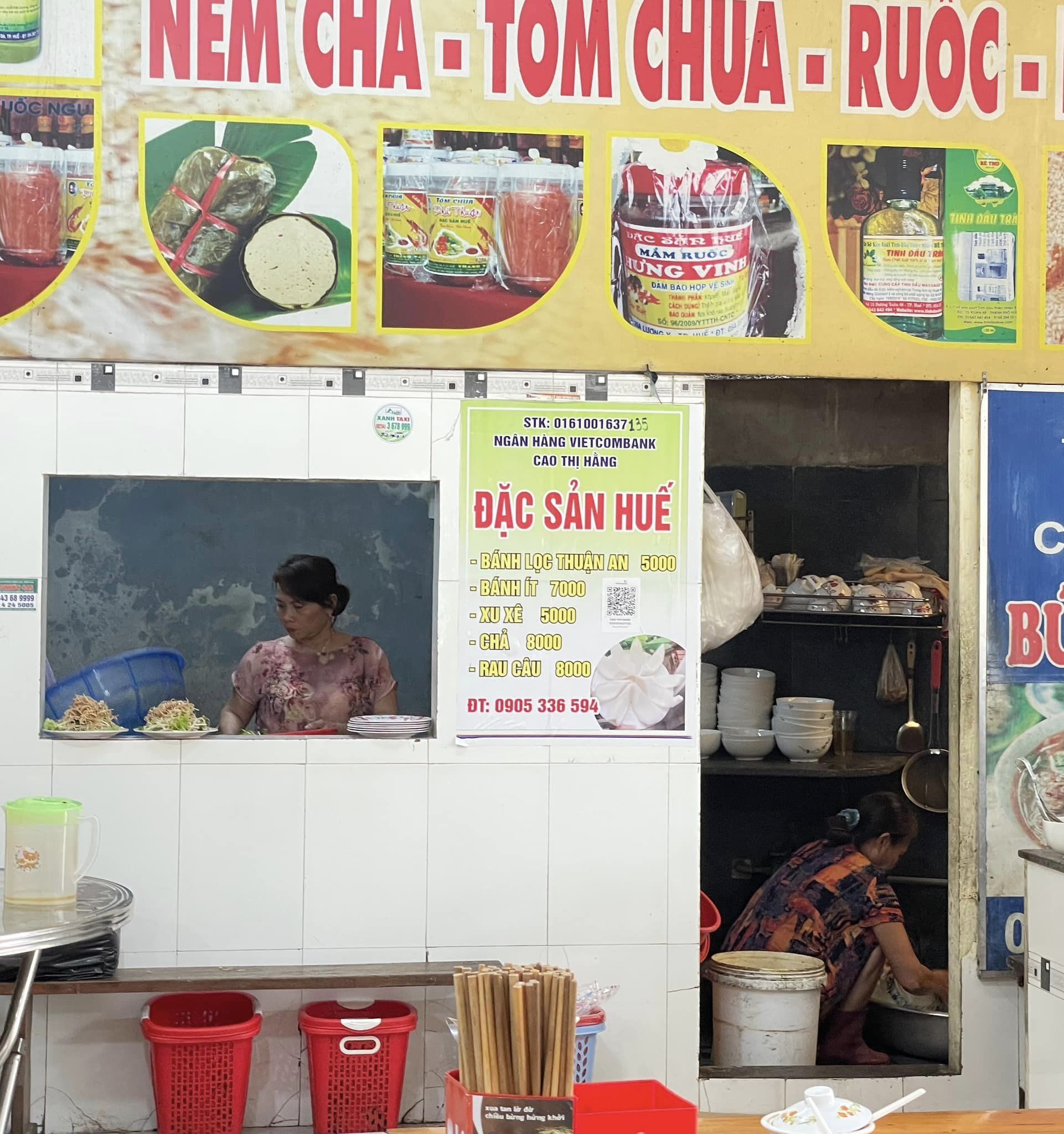
Fabulous lunch in a local’s spot. The kitchen and dish pit. If only we could all get away with squatting while we work!
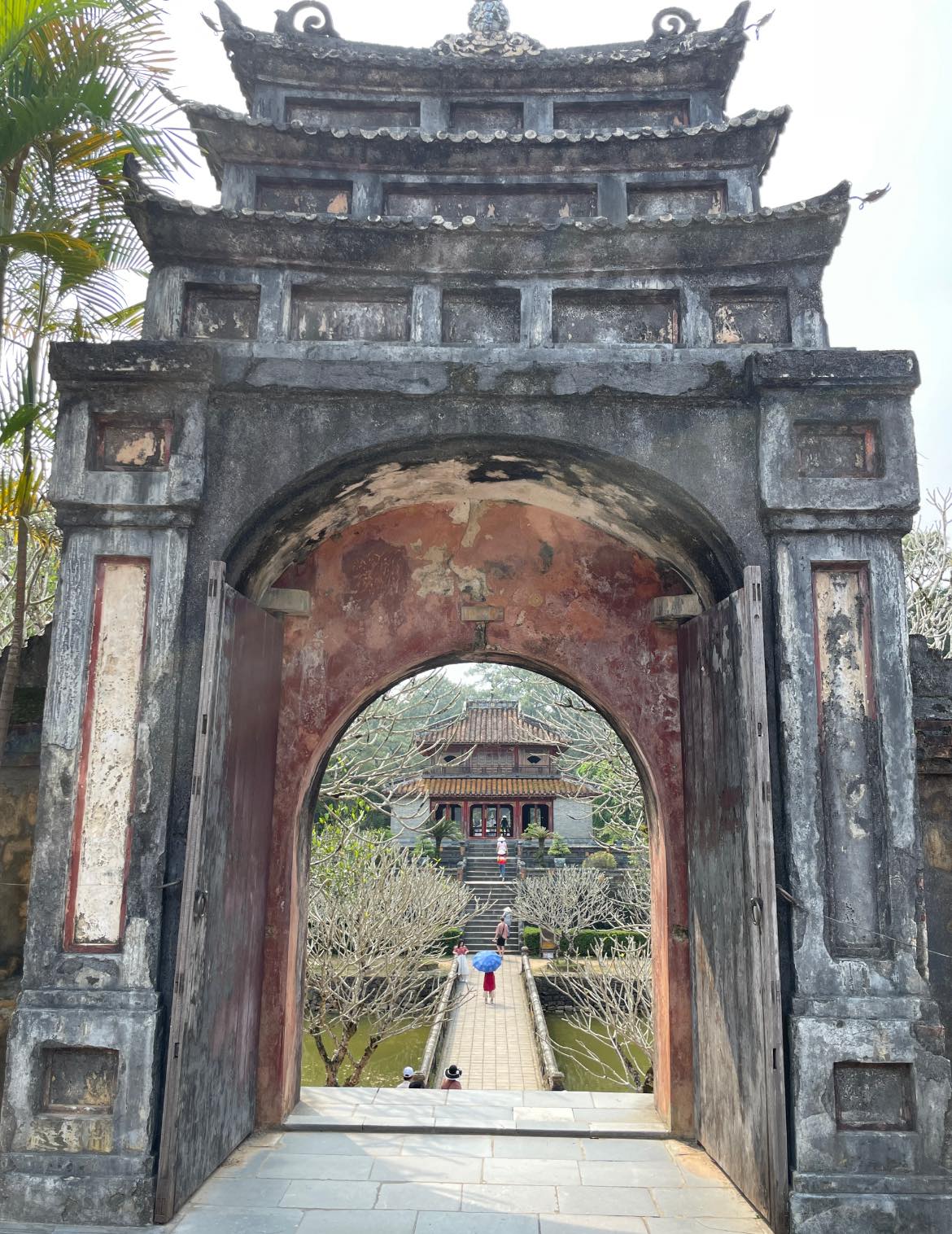
Along the way to the tomb of Minh Mang, the second emperor of the Nguyen Dynasty. Symmetry and solemnity are key features here. This is a simple place to worship the emperor and bask in nature. Minh Mang was a well-respected emperor. He disliked bad behaviour (I guess that’s why he designed his mausoleum to be so peaceful), enacting a bunch of rules and laws to keep people in line which was successful. His people followed the rules and enjoyed a peaceful period.
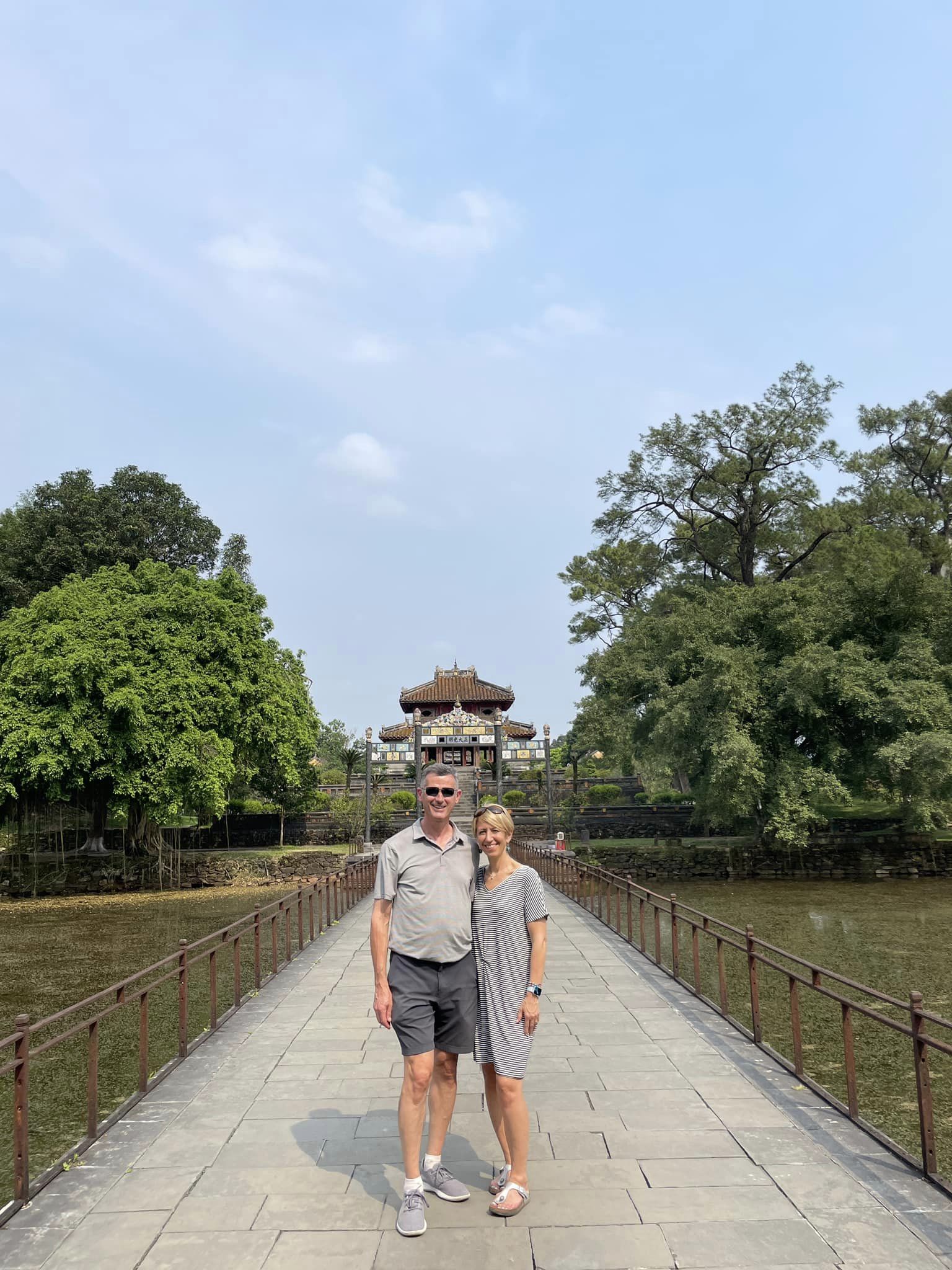
The long (but not winding) road to the tomb of Minh Mang.
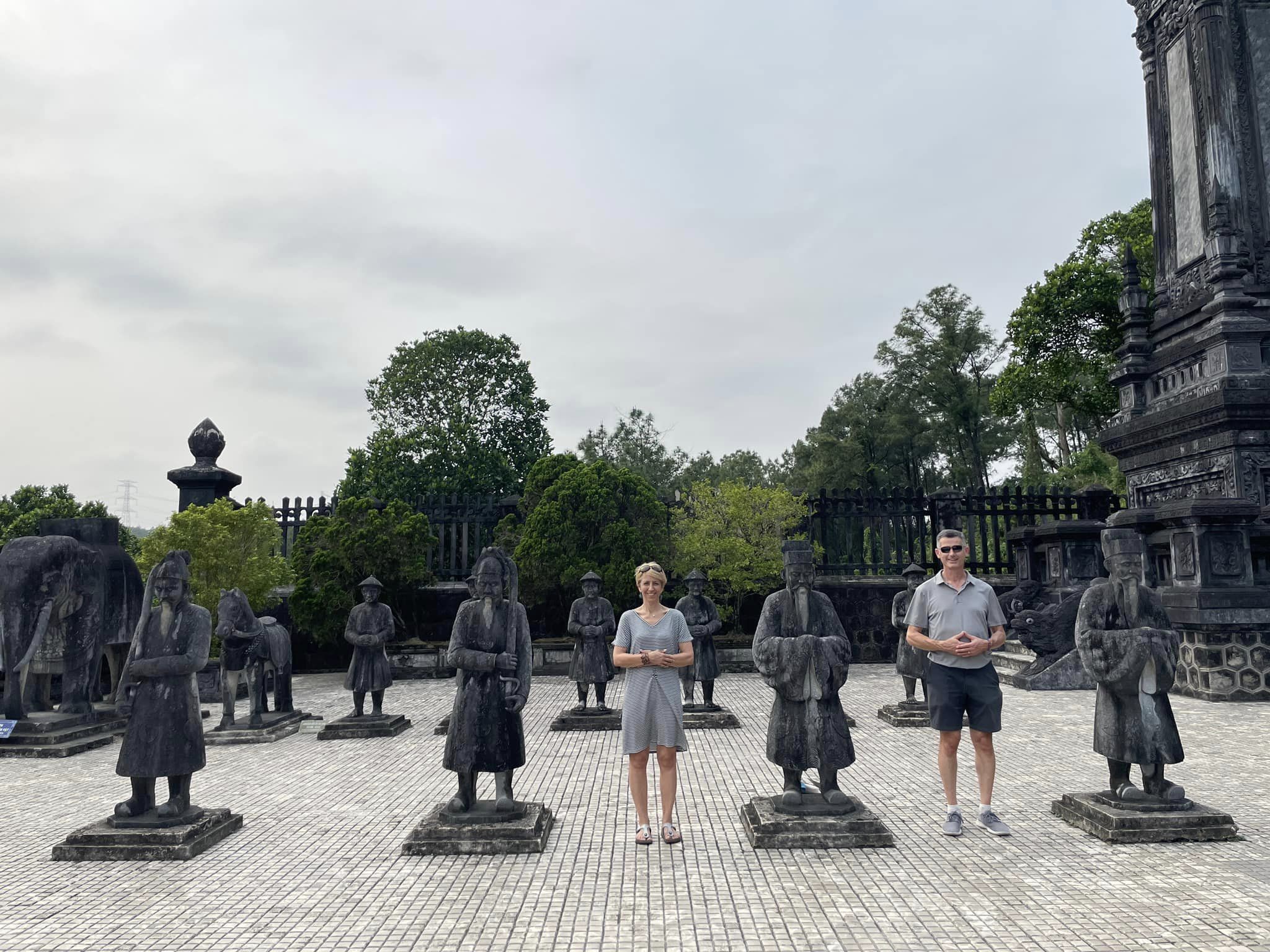
Now we go to the opposite end of Hue’s mausoleum spectrum. Remember Khai Dinh (#12), the selfish king? Let’s have a look inside his place of rest (and his mind!). Here, twelve mandarin bodyguards (or are there 14?) protecting Khai Dinh’s tomb.
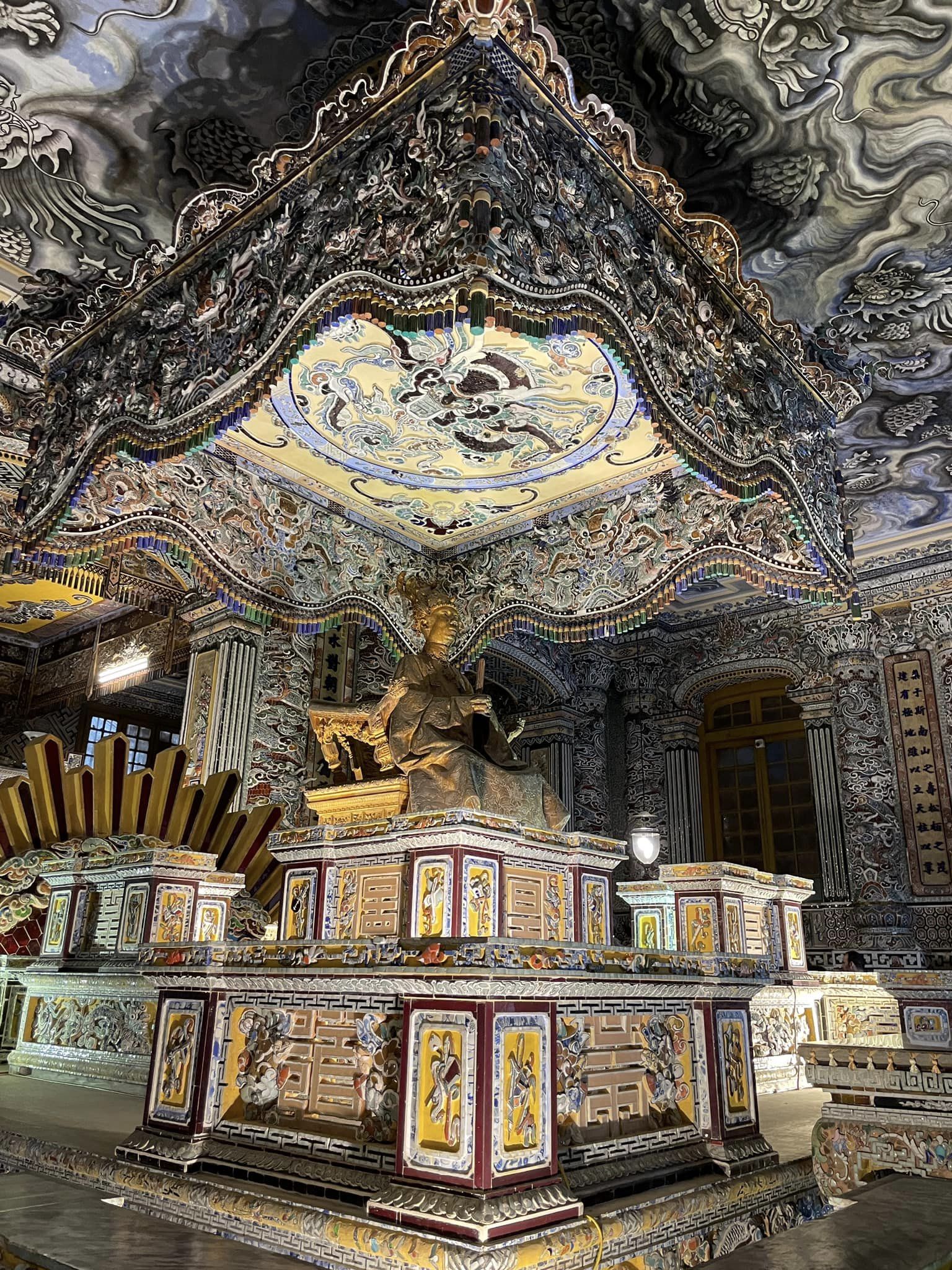
We go from a grey stone exterior into a blast of colour and opulence. A stunning ceramic tomb rises over what should be Khai Dinh’s remains. But they’re not there. He was afraid of tomb robbers. So afraid, in fact, that his final resting place is actually a mystery; the workers who buried him were all decapitated to preserve the secret. How’s that for a job-well-done bonus! This is the tomb that provoked a 30% increase in taxes to fund its construction. Aside from scooping the well-earned income from his simple living people, did Khai Dinh have any claims to fame? Well, one thing that his overarching interest in western culture and art did was inspire his successor, Bao Dai (king #13) to study abroad and ultimately dissolve the monarchy, heralding a new, but rocky, path for Vietnam.
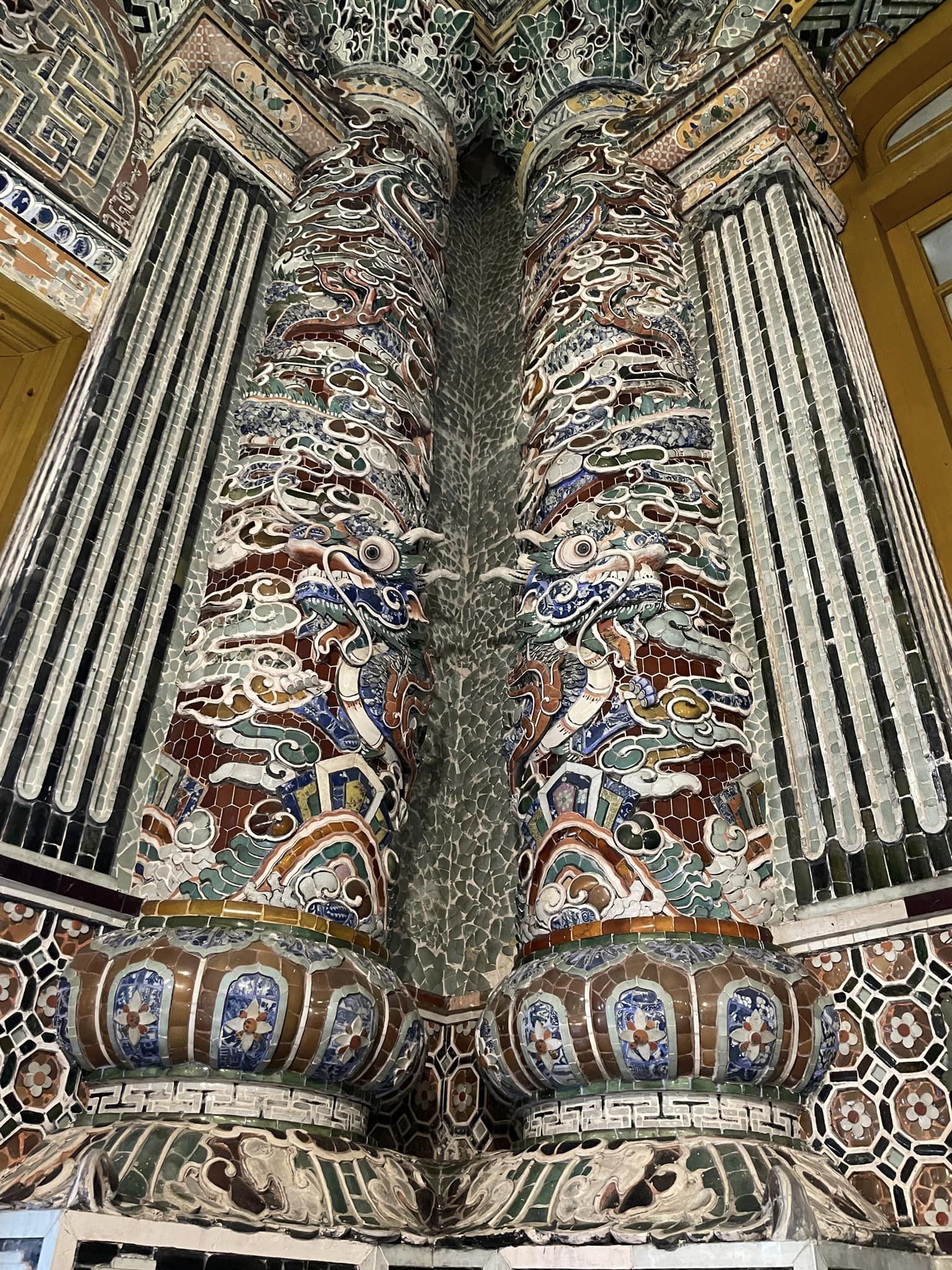
Ceramic columns in Khai Dinh’s mausoleum.
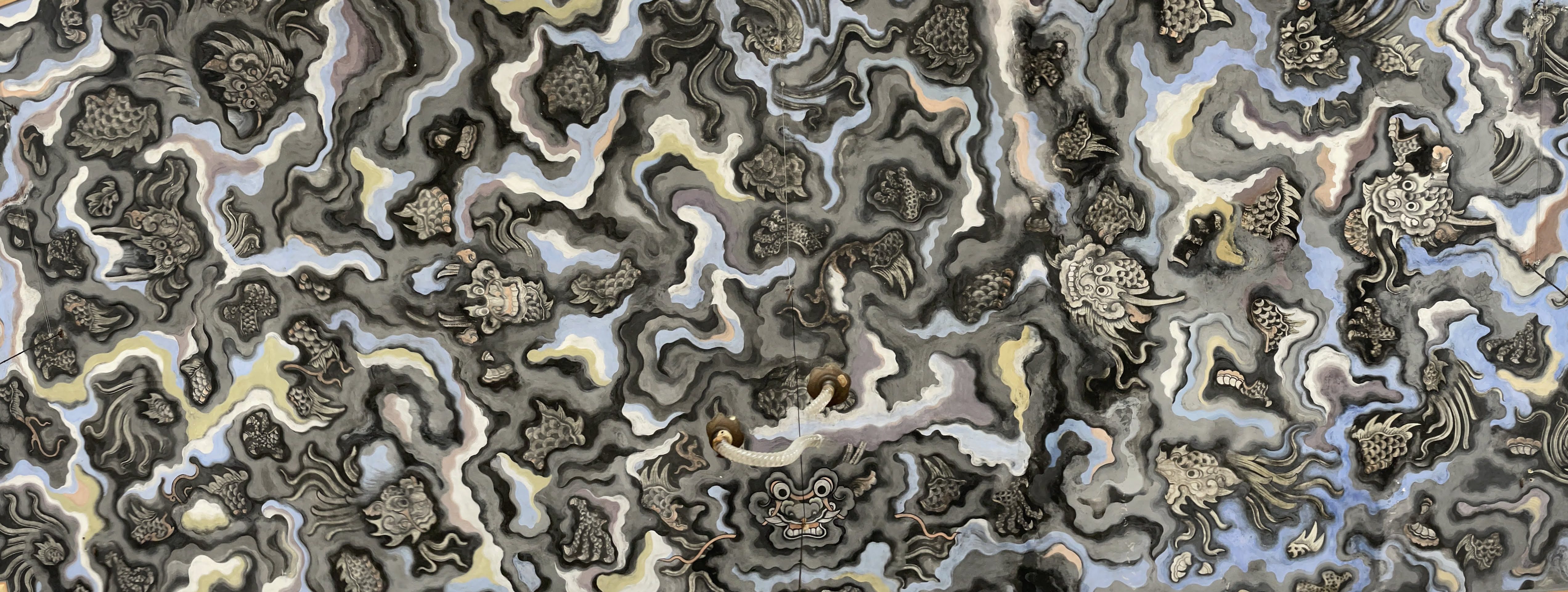
Khai Dinh’s ceiling is painted with nine dragons to protect him. Thumbing his nose at the king who raised taxes to fund his own mausoleum, the artist painted it with his feet. A little reminiscent of Michelangelo sneaking in a disparaging image of the pope when he painted the ceiling of the Sistine Chapel.
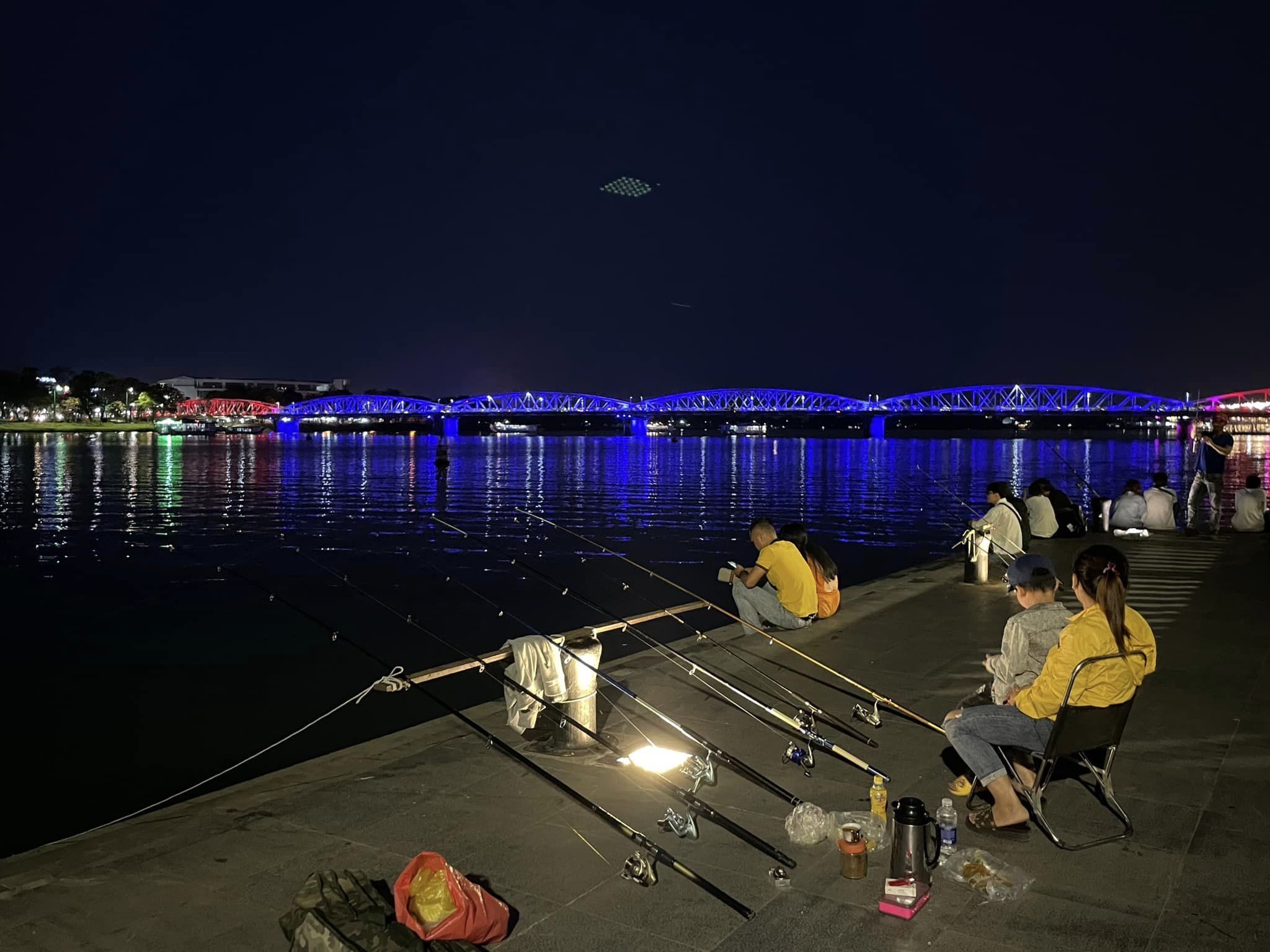
Efficiency in fishing along the river.
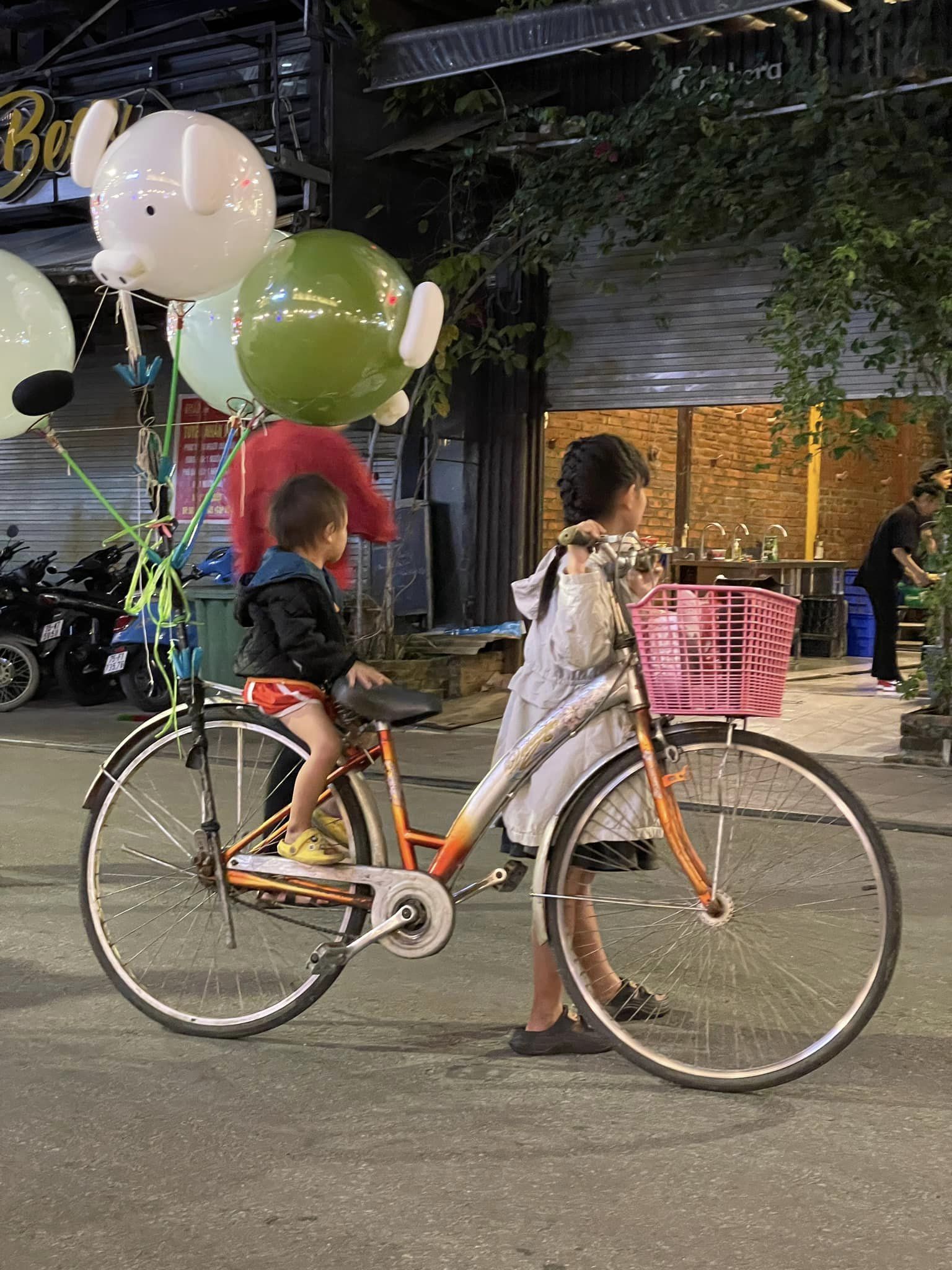
A (very) young balloon vendor distracted by the TV across the street
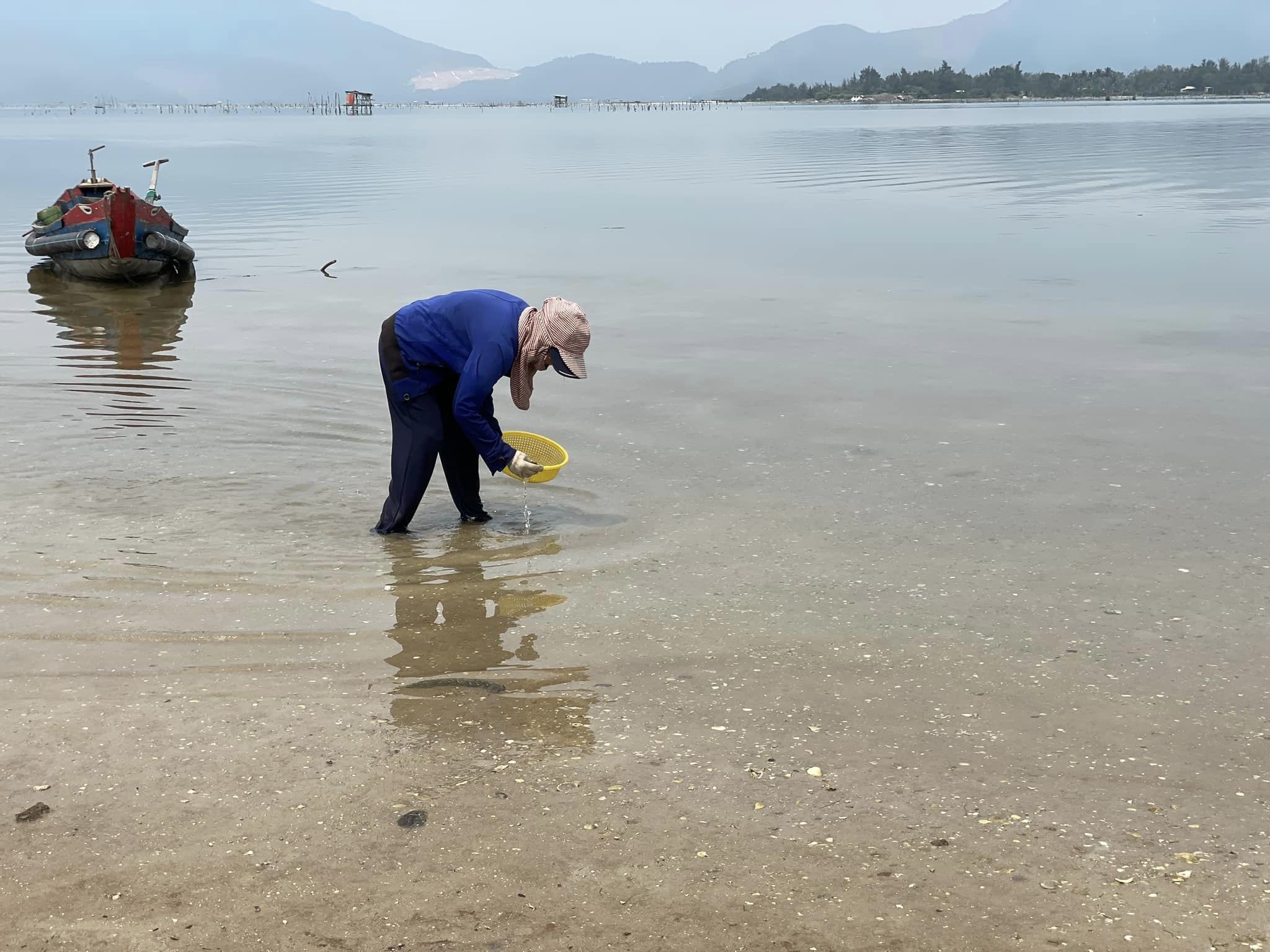
Oyster picking in the lagoon on the way to the Hai Van pass between Hue and Hoi An.