October, 2024
Tea Time in Trabzon
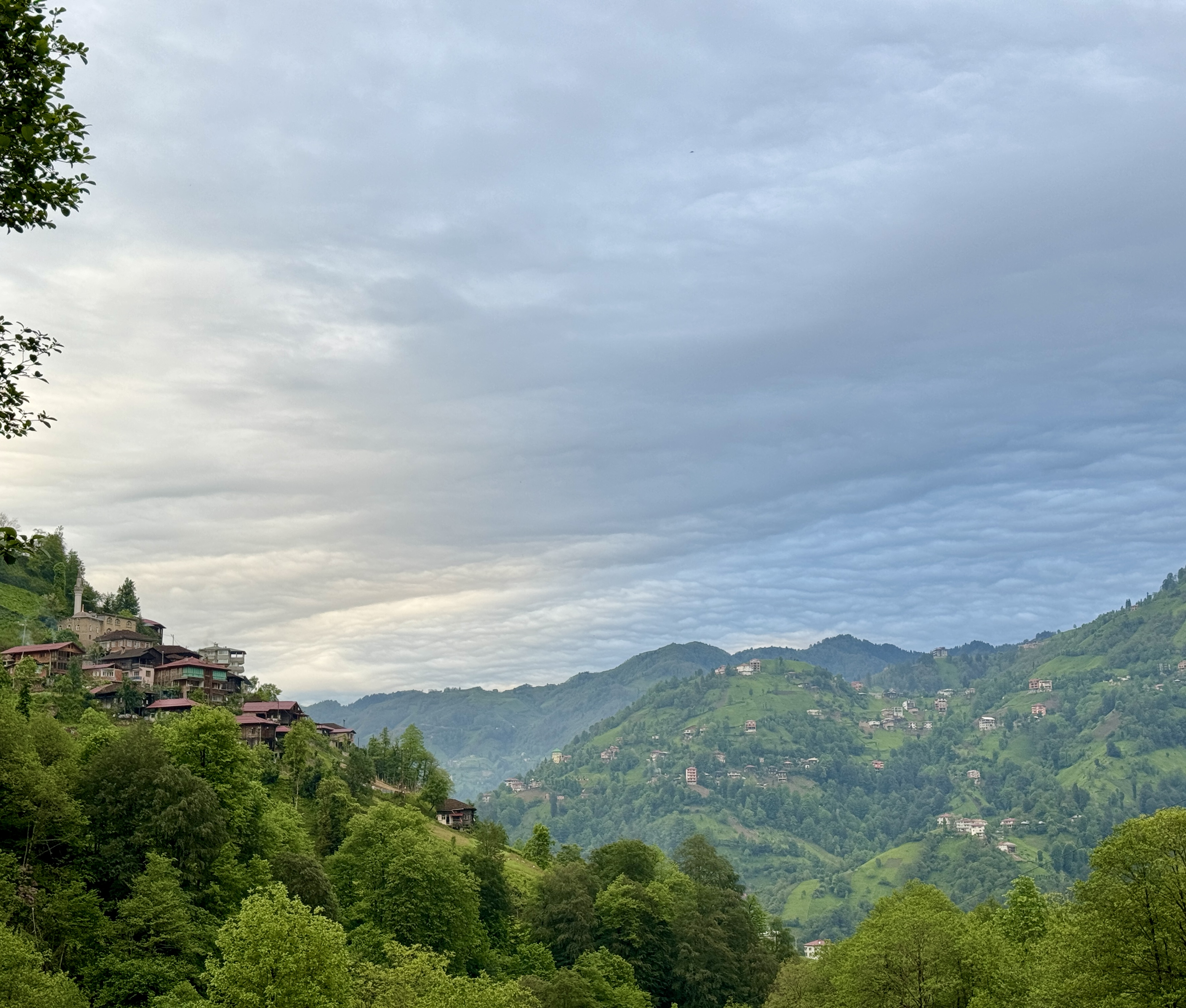
Our time in Turkey is winding up on the Black Sea Coast. This is yet another completely different place in terms of geography, culture, food and even language as there are a whole lot of dialects spoken among handfuls of villages that are spoken nowhere else. In this region, it’s all about the tea. We were lucky enough to be here during harvest and got to see all the action related to this important crop. Turkey is among the top countries producing the best quality tea in the world, but as the world’s highest consumers of tea per capita, it doesn’t rank even in the top ten tea exporters. Clearly, Turkish tea drinkers are the priority here.
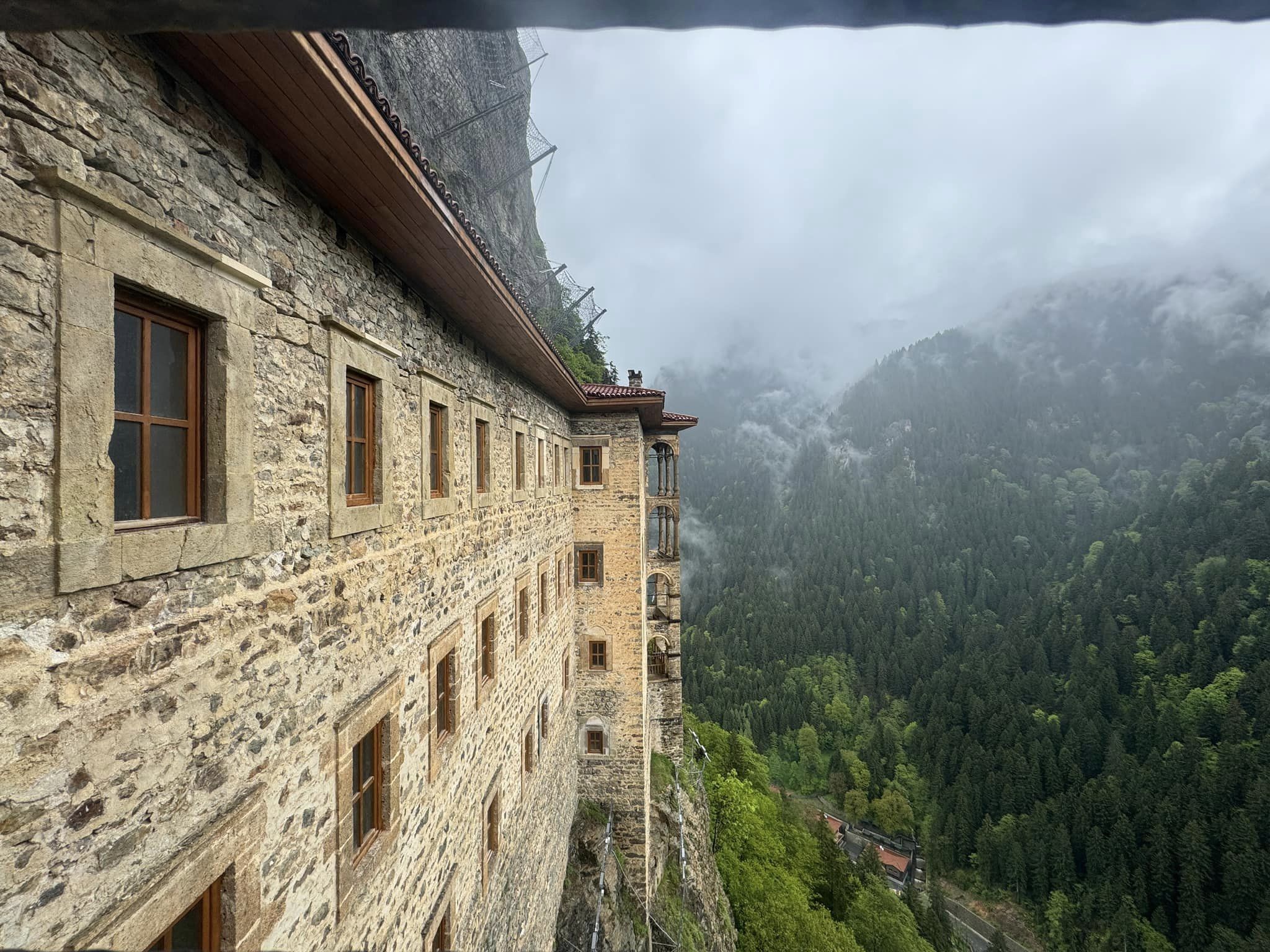
The Sümela Monastery sits high up the Karadağ Mountain. Of course there’s a magical story of this place, seemingly lodged in a cliff on a steep slope. Back in the 4th century AD, the Virgin Mary appeared in the dreams of a couple of Greek priests with the important message that she would show them the way to a cave in the Mela mountains where St Luke had painted an icon of her. They set off on their journey and lo and behold, they found the cave and the icon. What better place to build a monastery! The monastery has been renovated, expanded, looted, damaged and rebuilt a few times over its couple of millennia in existence. And here it remains, hanging onto the edge of the mountain, shrouded in mist.
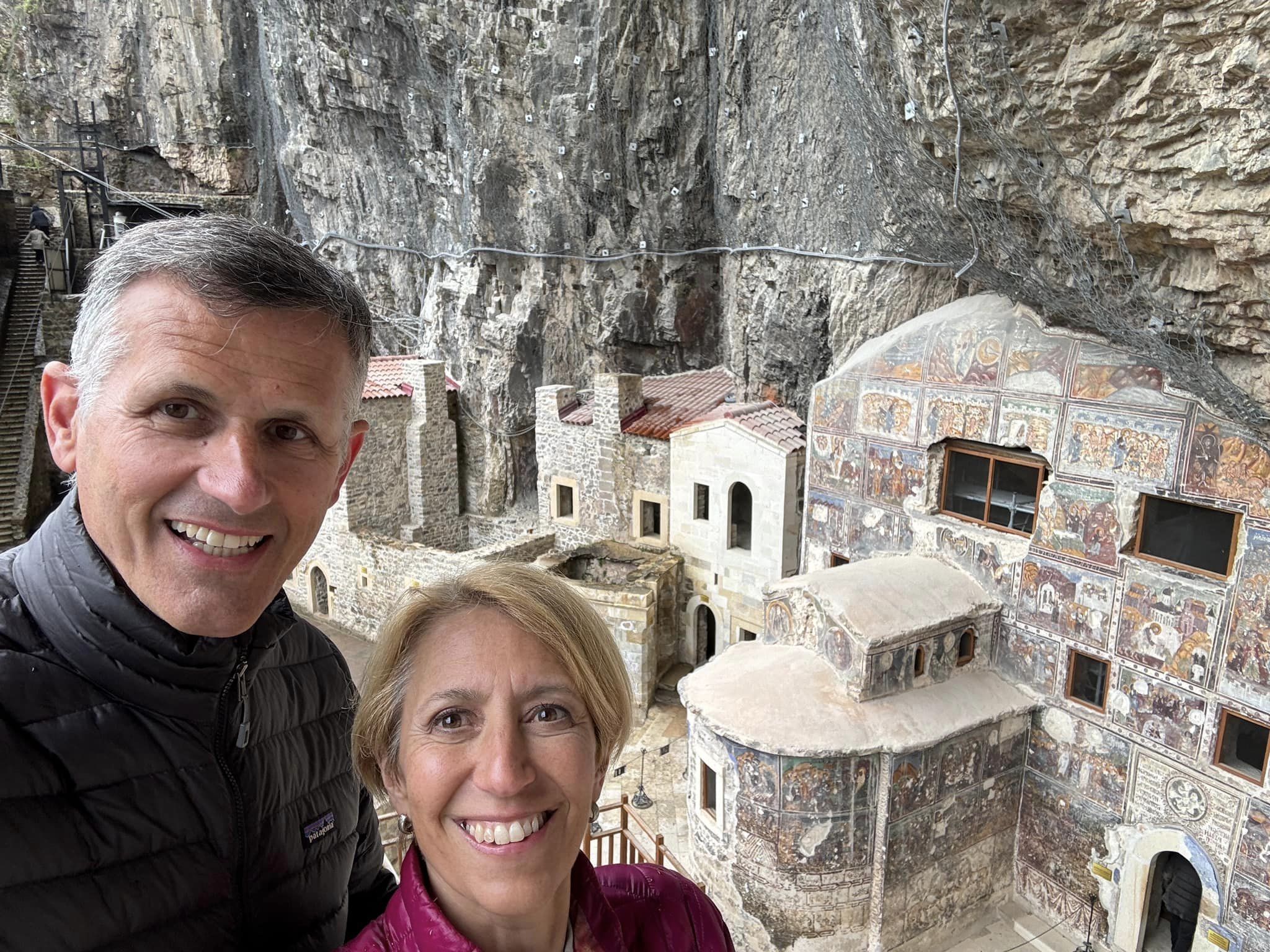
The chapel built over the cave. Covered in frescoes painted in three time periods starting at the beginning of the 18th century, many have been vandalized. Aside from graffiti and marking the profession of one’s love for another (does that really impress the person of desire?) many eyes and faces of these frescoes have been scratched out. Why? Could be iconoclasts who object to icons and images that don’t fit with their beliefs or perhaps looters who don’t want to be “seen” in their acts of thievery.
Inside the chapel, the fresco stories depicted are more about Jesus’ beginnings and life.
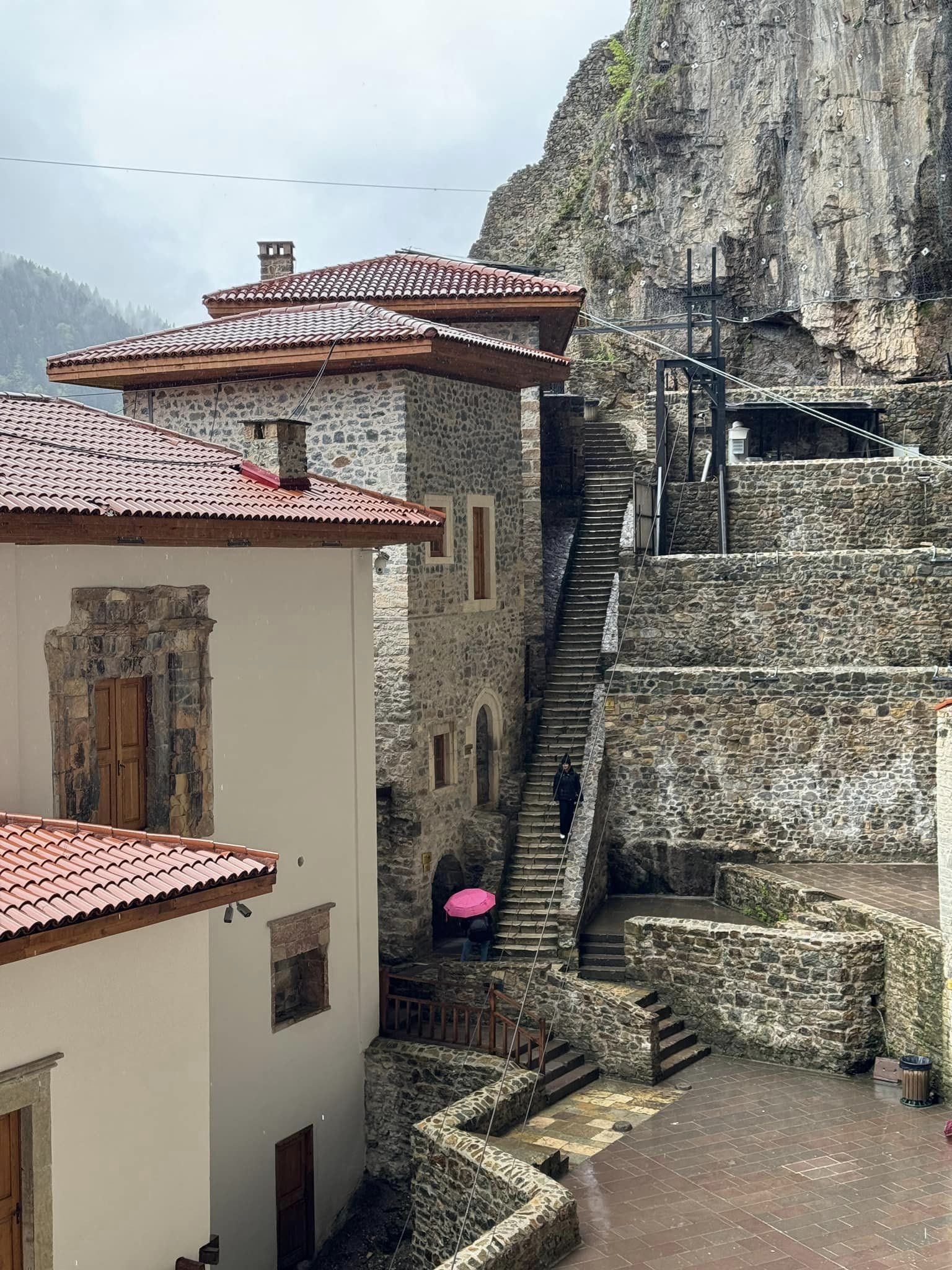
Rooms for the priests and students, guest rooms, libraries, extra chapels, kitchens and dining halls make this place feel like a village of its own. And given the single-lane road 1,200 meters up, it would have had to be pretty self-sufficient in its day.
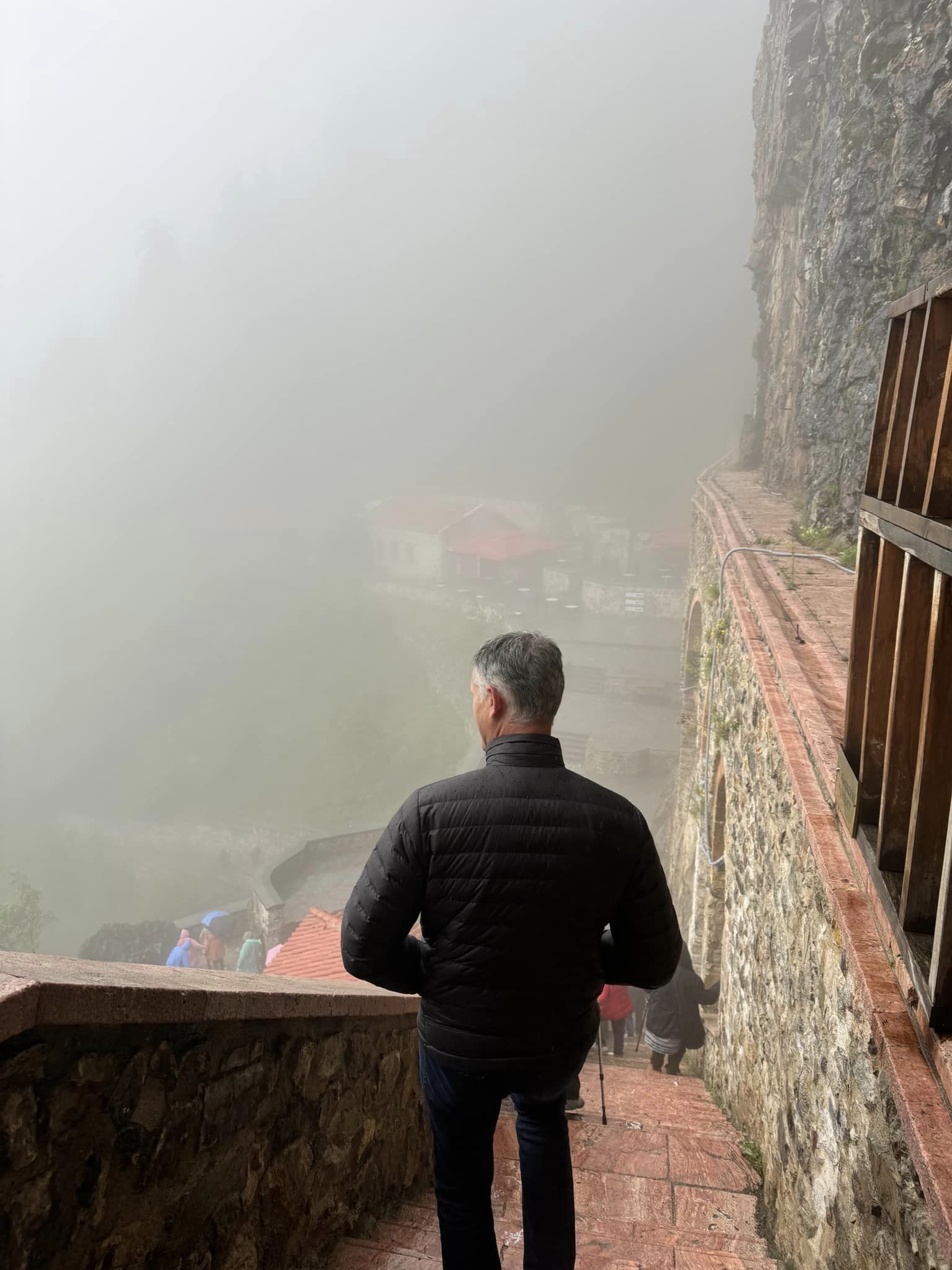
I wonder if it was like that on a fateful day in 1923. Like the rest of Turkey, this place was subjected to the population exchange with Greece. Being a Greek Orthodox monastery, its inhabitants cleared out and went to Greece. The piece of information that wasn’t shared by the government was that it was a permanent relocation. The people of Sümela thought they were coming back so they didn’t bring all their valued possessions and relics. In an interesting bit of negotiation, the Greek Prime Minister managed to convince the Turks to let a group back in to collect the treasures they left behind.
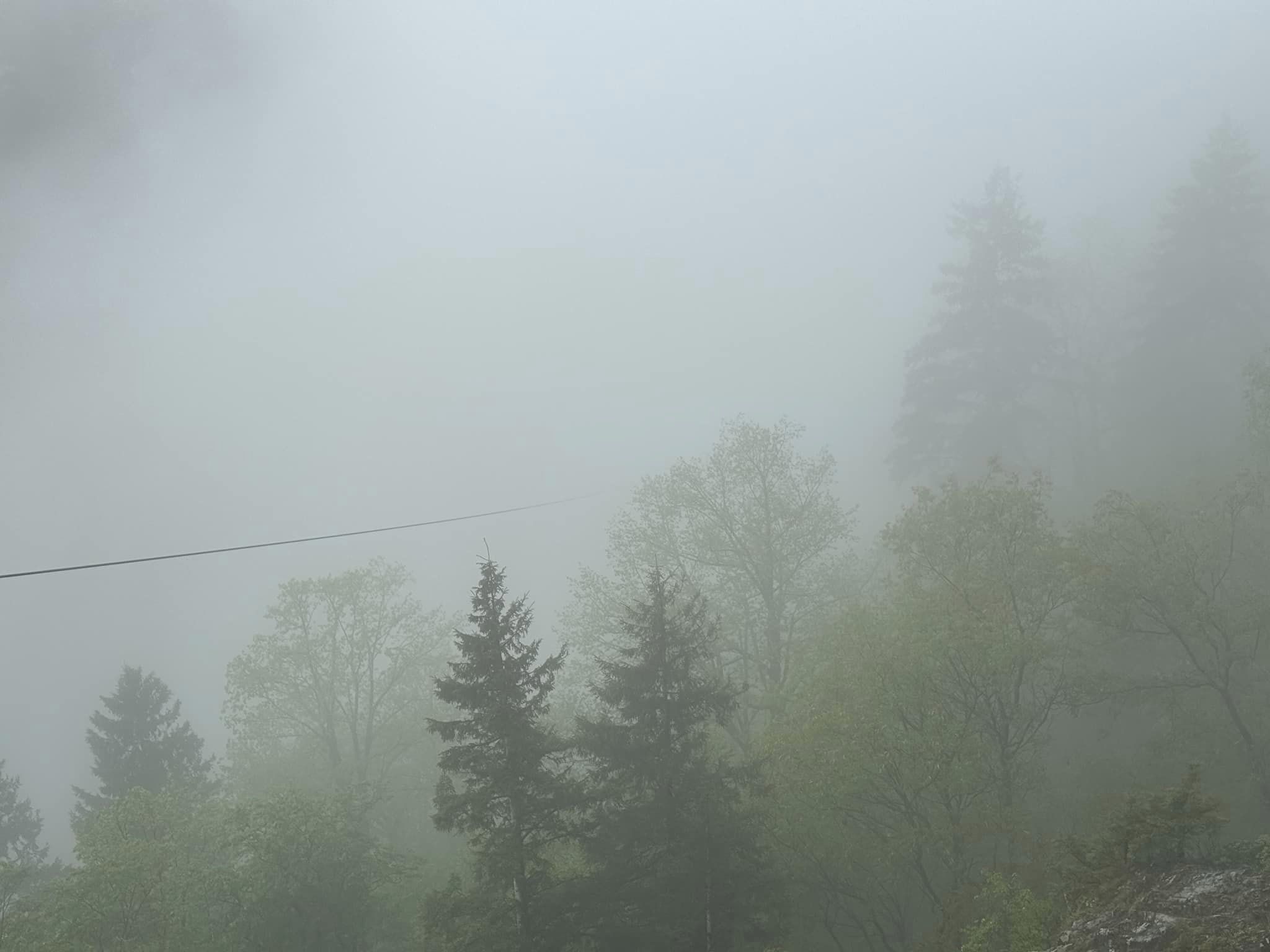
Feels a little like a Whistler day better spent in the lodge.
We always love to find street music as it’s often a beautiful view into the local culture and vibe. These guys had the assembled crowd clapping and singing along. And it was the first time we saw a tulum, a type of bagpipe from this Black Sea region, made from an inside-out animal skin.
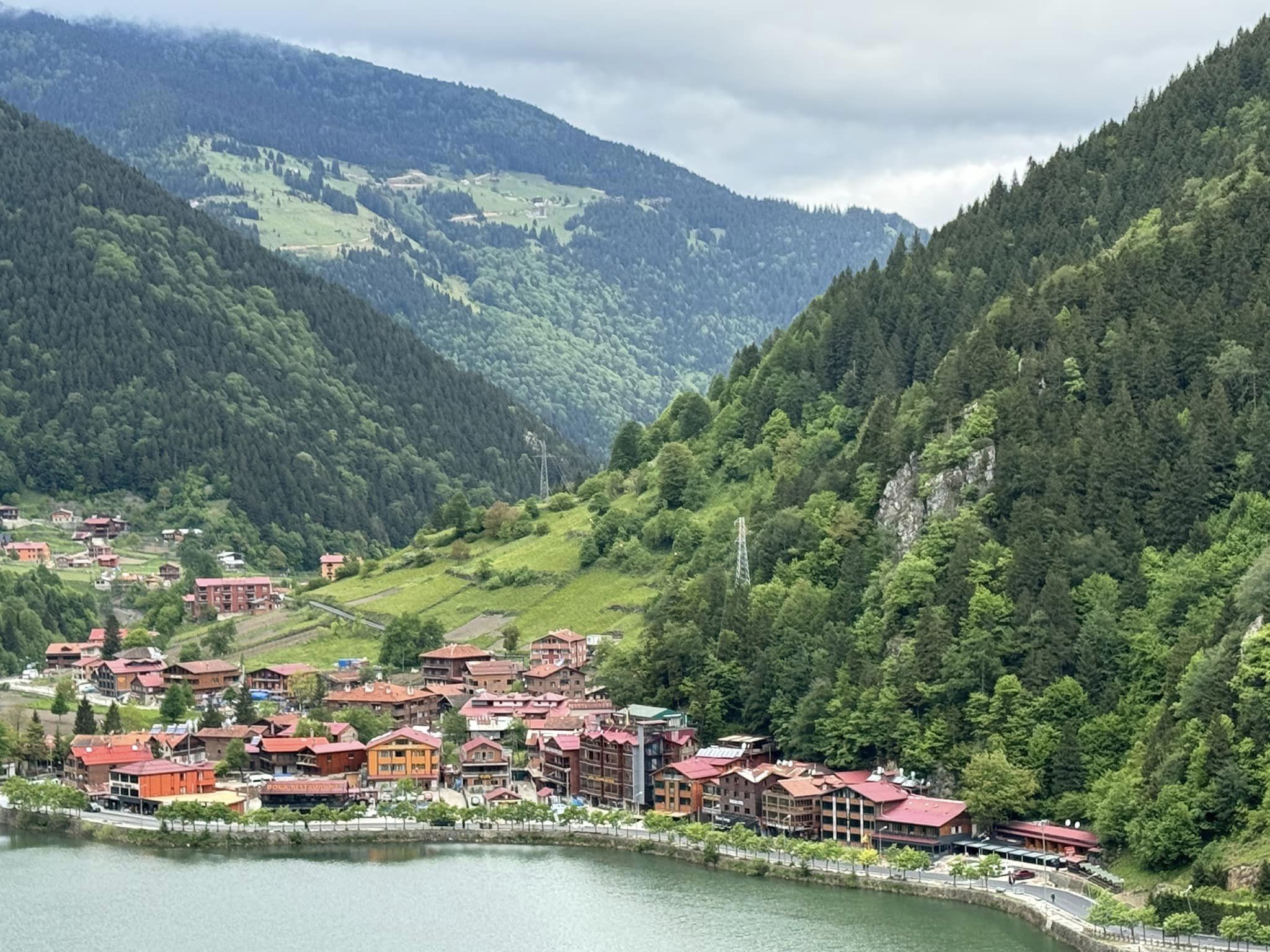
Uzungöl Lake near Trabzon looks like a bit of Switzerland was dropped here. Touted as one of the most beautiful lakes in the region, the word certainly got out and it is now undergoing massive construction: hotels, restaurants, video game arcades… It is beautiful, but I wouldn’t actually want to spend the night.
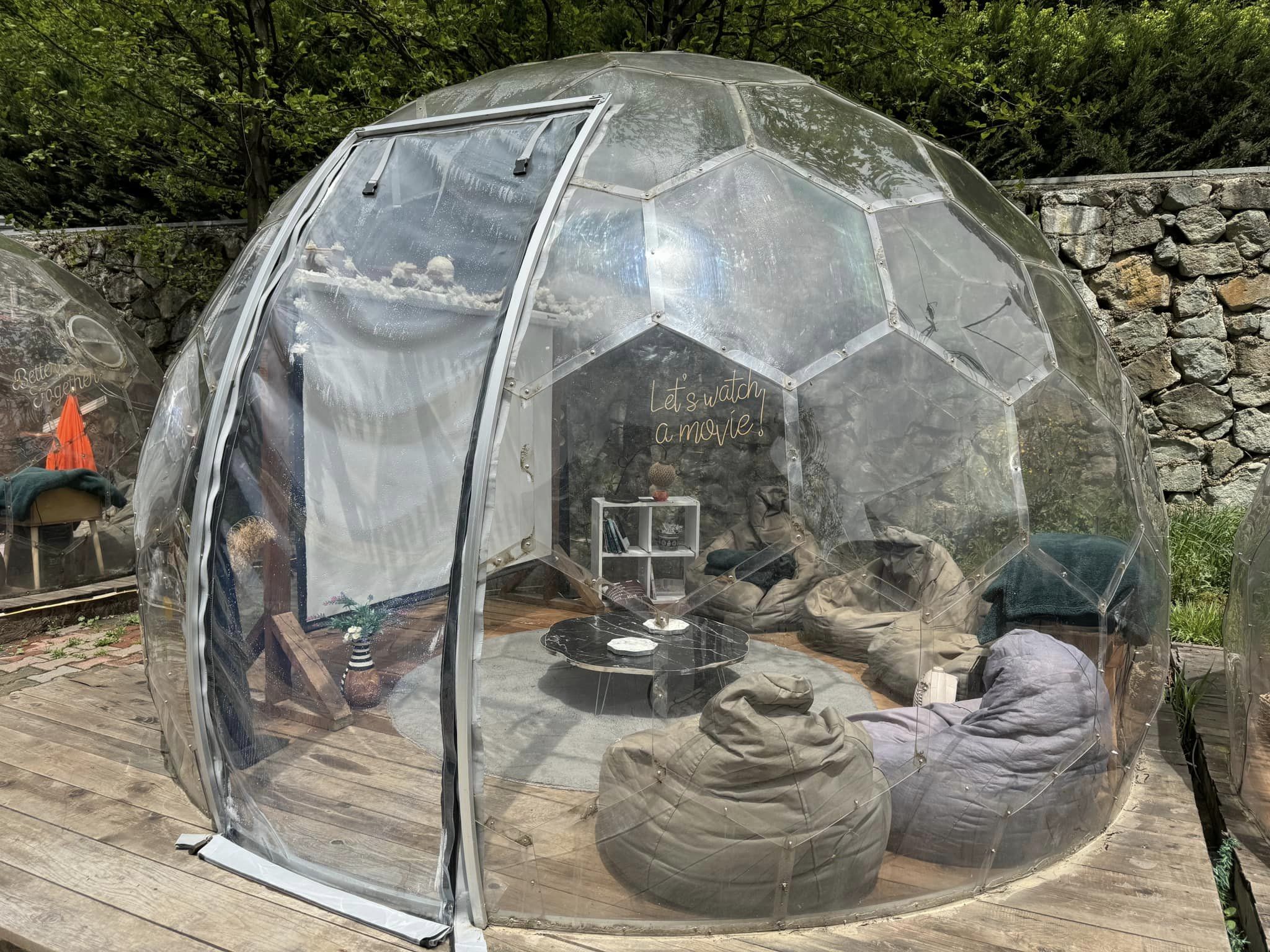
Movie night bubbles in Uzungöl. Now that would be fun to stay in town for!
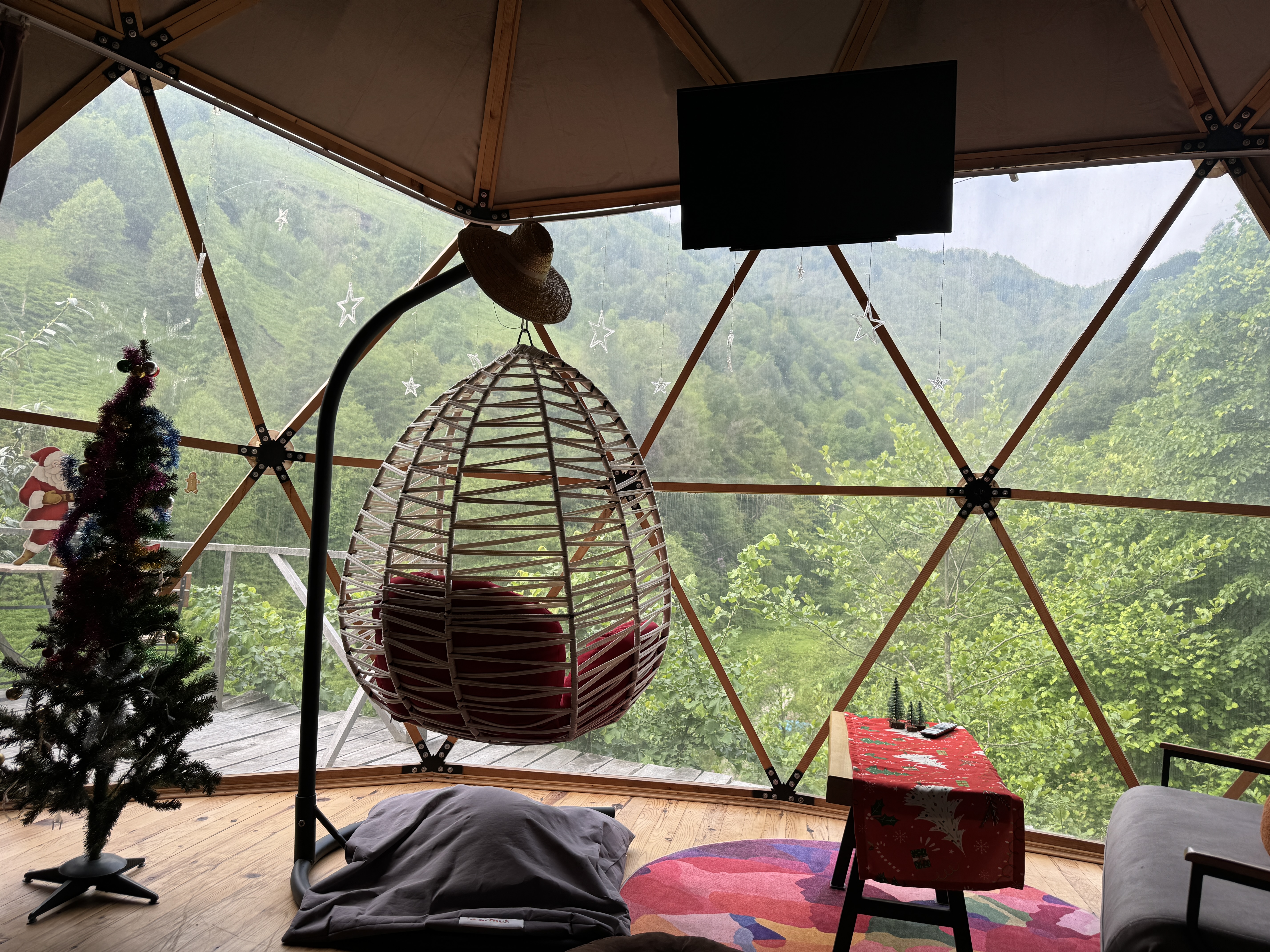
We did manage to get our bubbles here... Fabulous glamping in a dome up in the mountains, surrounded by tea. The Christmas vibe in May remains a mystery.
Smoke/steam along the roadside usually means tea is brewing! There is an astounding amount of tea consumed here, a testament to the fact that Turkey has the highest per capita tea consumption globally. Once again, a bit of a Christmas vibe in the background of this roadside stand.
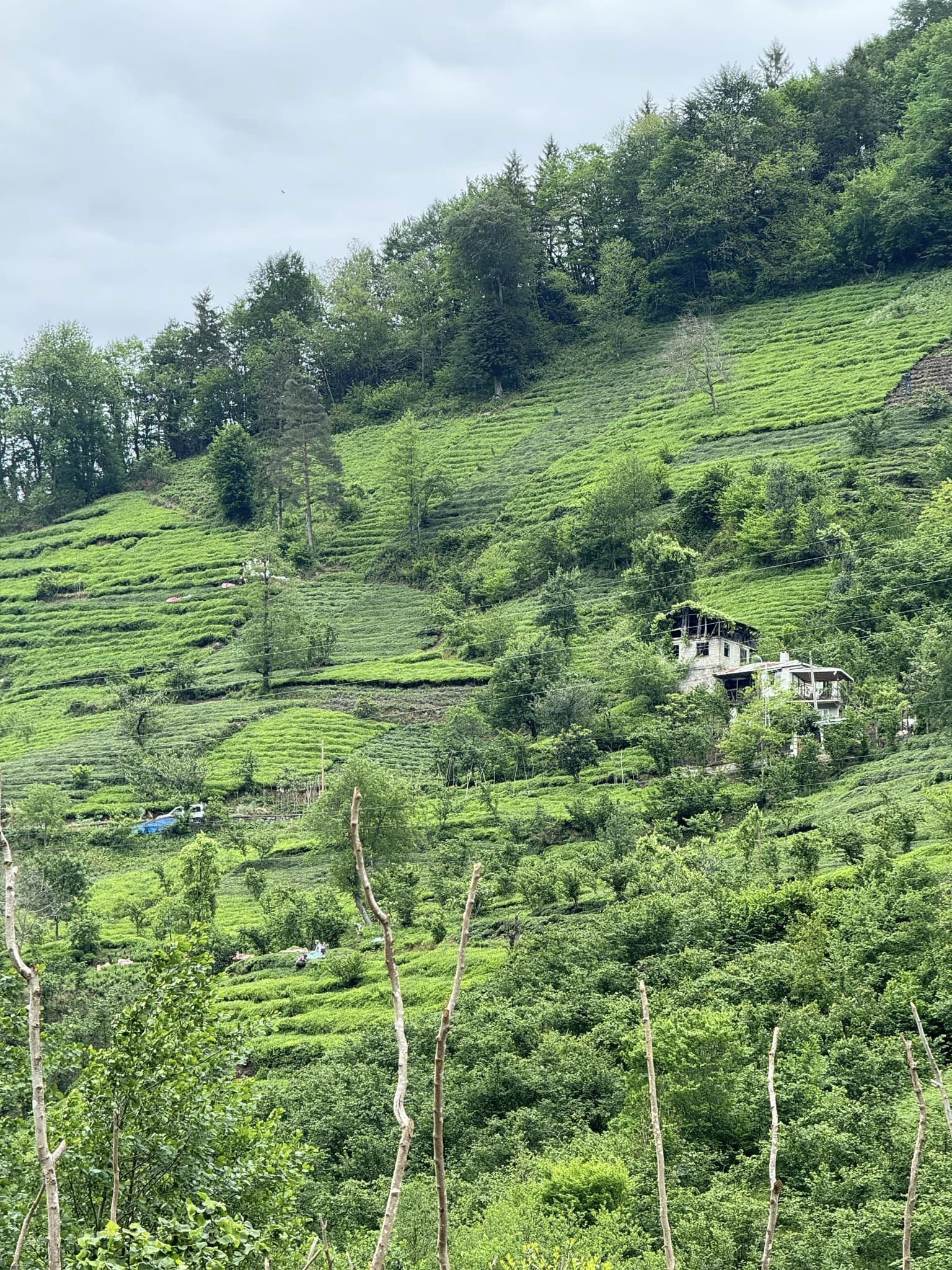
The hills of Rize are alive with tea! I’m not sure if it was coincidentally at the time of Turkish Independence, but a fellow called Zihni Derin arrived in Rize in 1923 to establish tea plantations to satisfy domestic demand rather than importing it. The goal was to convert existing farmers over to growing tea but it was a bit slow going. The local farmers weren’t convinced that tea was the future. By the late 1930s/early 40s, the Tea Act was enacted which guaranteed that the state would buy the tea produced by local farmers. Guaranteed sales was good enough for the farmers and the rest is history! I guess it ended up being a good deal for the farmers as Turkey ranks fifth in the world in terms of quality tea production.
This tea picker has a battery-operated device that looks like a mini chainsaw with a bag attached. She scrapes over the tops of the plants to collect the youngest leaves. Tea is harvested three times a year in Rize, about a month between each, and we were lucky enough to be here for the beginning of the first harvest.
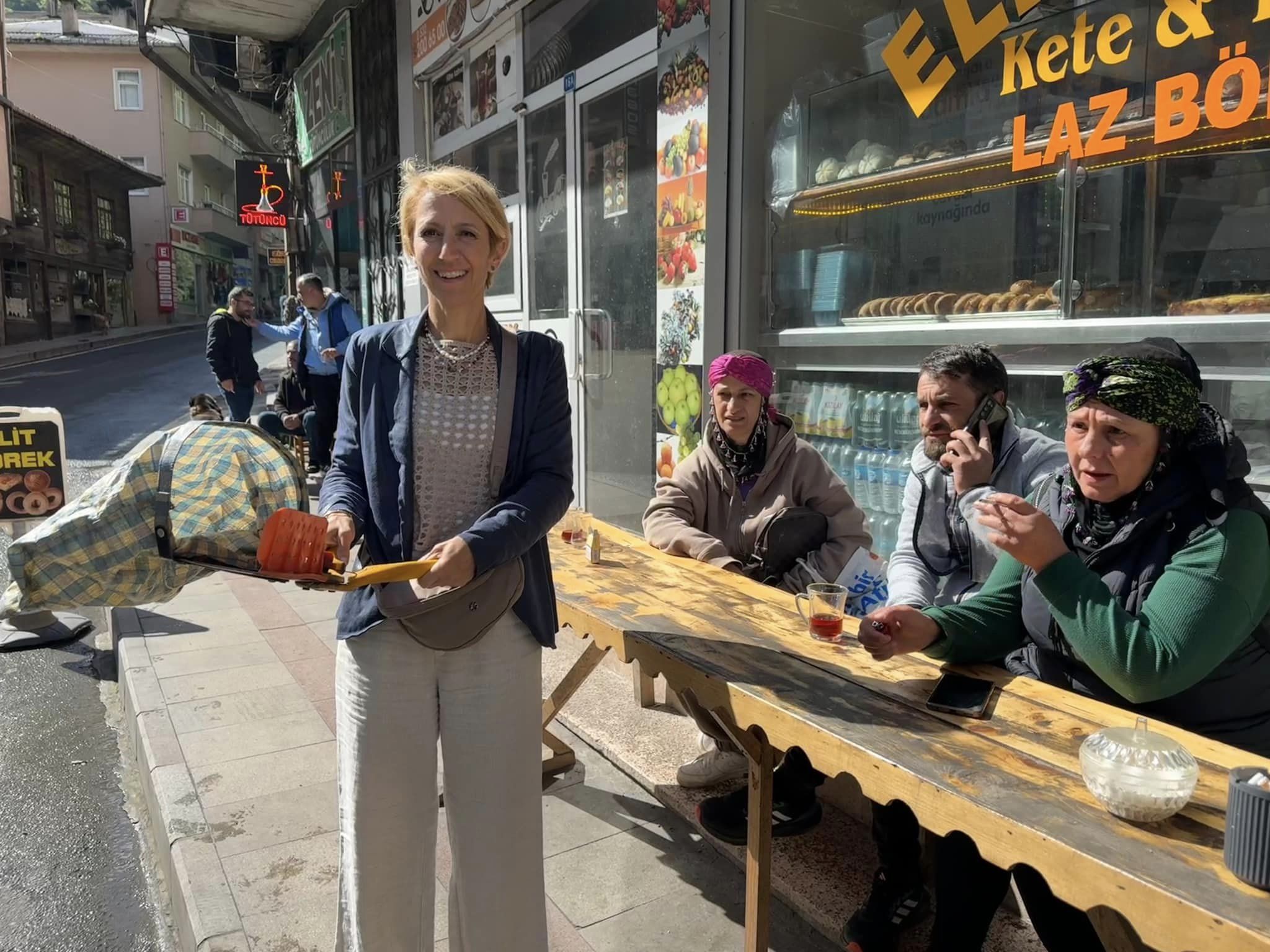
Having tea with the tea pickers before work and examining their tools.
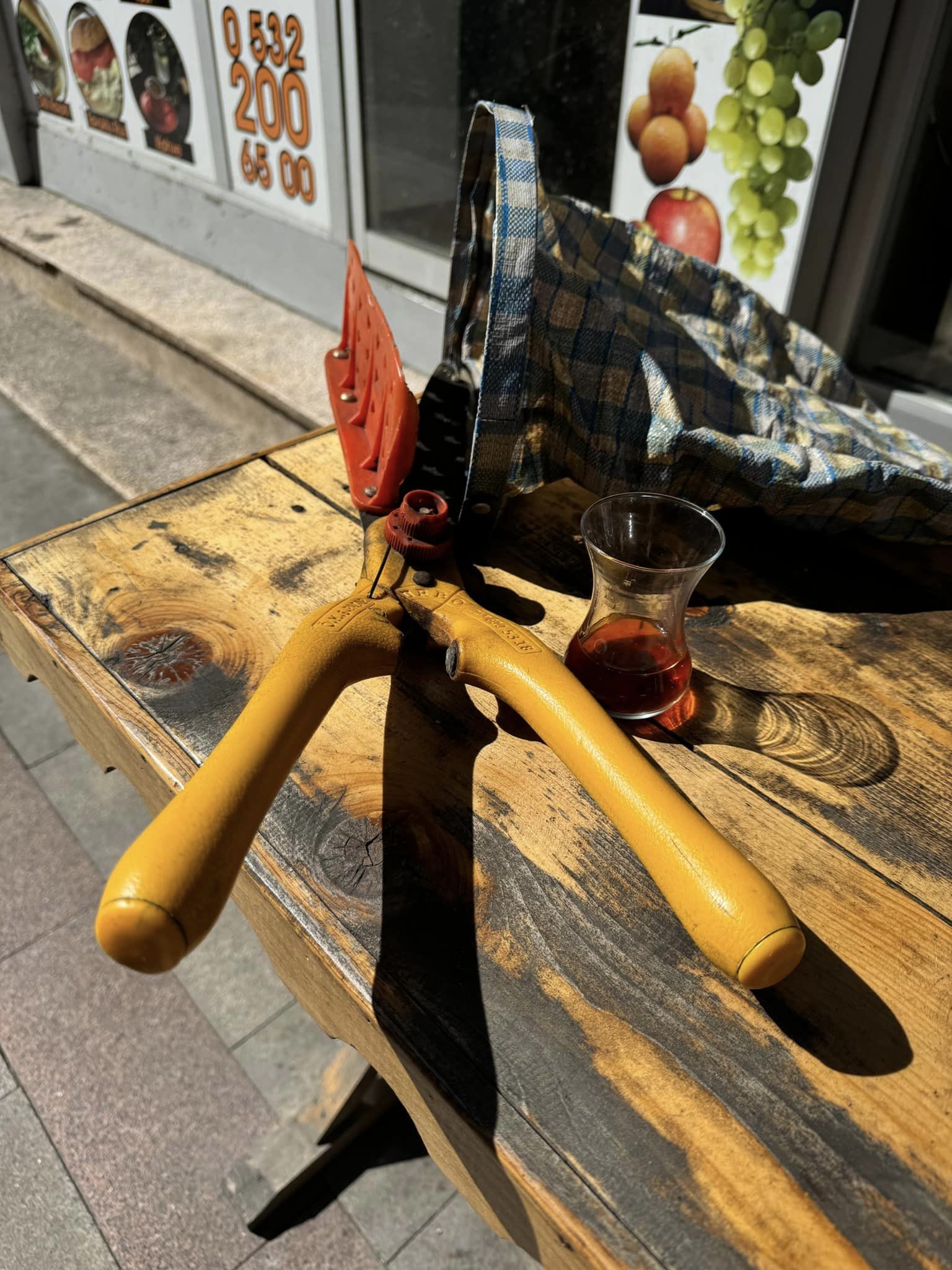
A manual tea cutting tool is basically a set of garden shears with a bag attached. When the bag is full, it gets dumped into a larger bag, which when full gets dumped onto a tarp, which when full, gets picked up by a truck heading to the factory for processing. And there’s not just one big factory; lots of little ones along the road help handle the load.
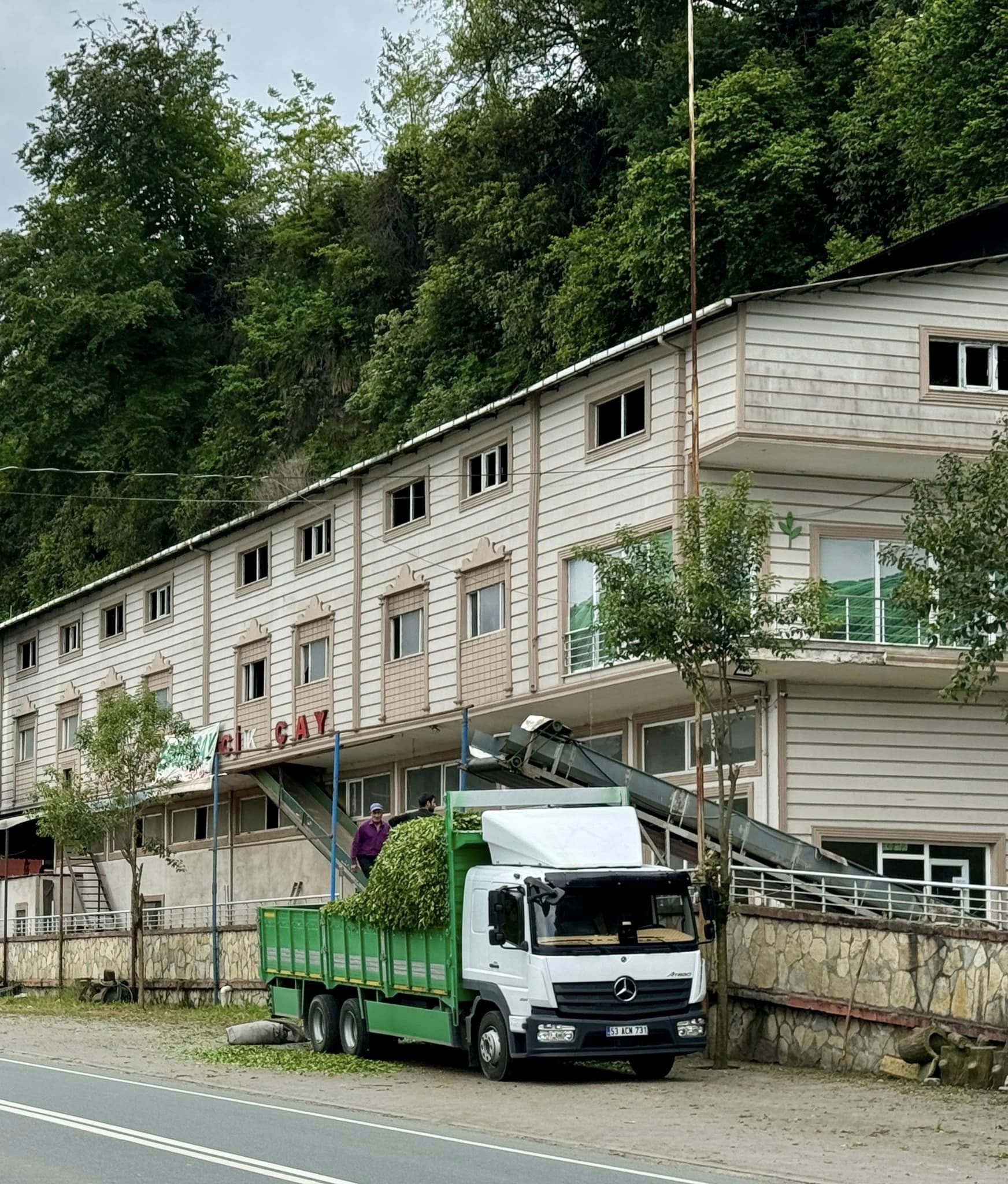
Roadside tea factory. The little pickup trucks with the tarp-wrapped bundles of tea pull up here and unload their bundles onto the conveyor belt. The guys at the top unwrap the bundles and do their best to stack the tea inside the truck, but clearly lots of leaves fall out. It doesn’t take long for tea to get from harvest to packaging. If the process runs end to end with no waiting between stages, fresh tea could be in the pot for steeping within a few days. The first stage of drying takes the longest, up to 24 hours, but after that it’s a few hours or even minutes for rolling, sifting, second rolling, oxidation and finally drying before classification and packaging.
Muhlama is a typical peasant breakfast before heading to the fields. Cheese, butter and flour or cornmeal cooked together with a bit of extra butter thrown in at the end for good measure. Delicious but you can’t eat too much of it unless you’re actually a field worker up at the crack of dawn and working hard!
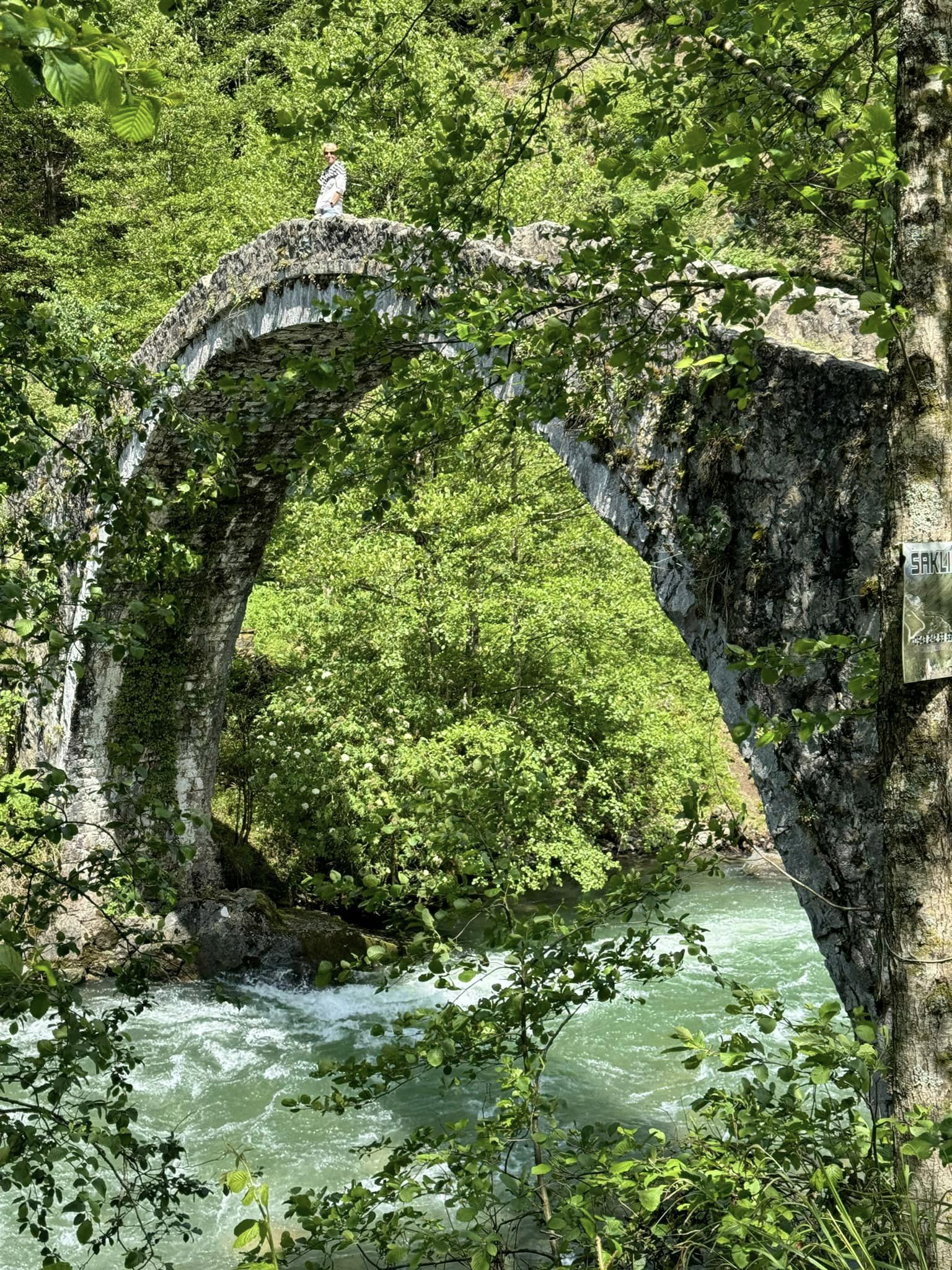
There is a constant sound of rushing water here and it comes from the Fırtına River, running through the deep valley in Rize. Fırtına means ‘Storm’ and while there is a lot of rain here (felt just like home), the name probably comes from the sound of this roaring water. There are 20 Ottoman bridges built along this river with very high arches. Seems overly complicated to build them so high but apparently there’s frequent flooding through the valley. Villages flank this long river and while beekeeping and forestry are still important sources of income here, tourism is creeping in. Ziplines, white water rafting and tourists wanting to hang out in nature may soon overtake the traditional industries. This area is very popular with Arab travellers from places like Saudi Arabia, Kuwait, Qatar and UAE. People here told us the area is particularly appealing to Middle East tourists because it’s the opposite of where they are from: cool, rainy and green.
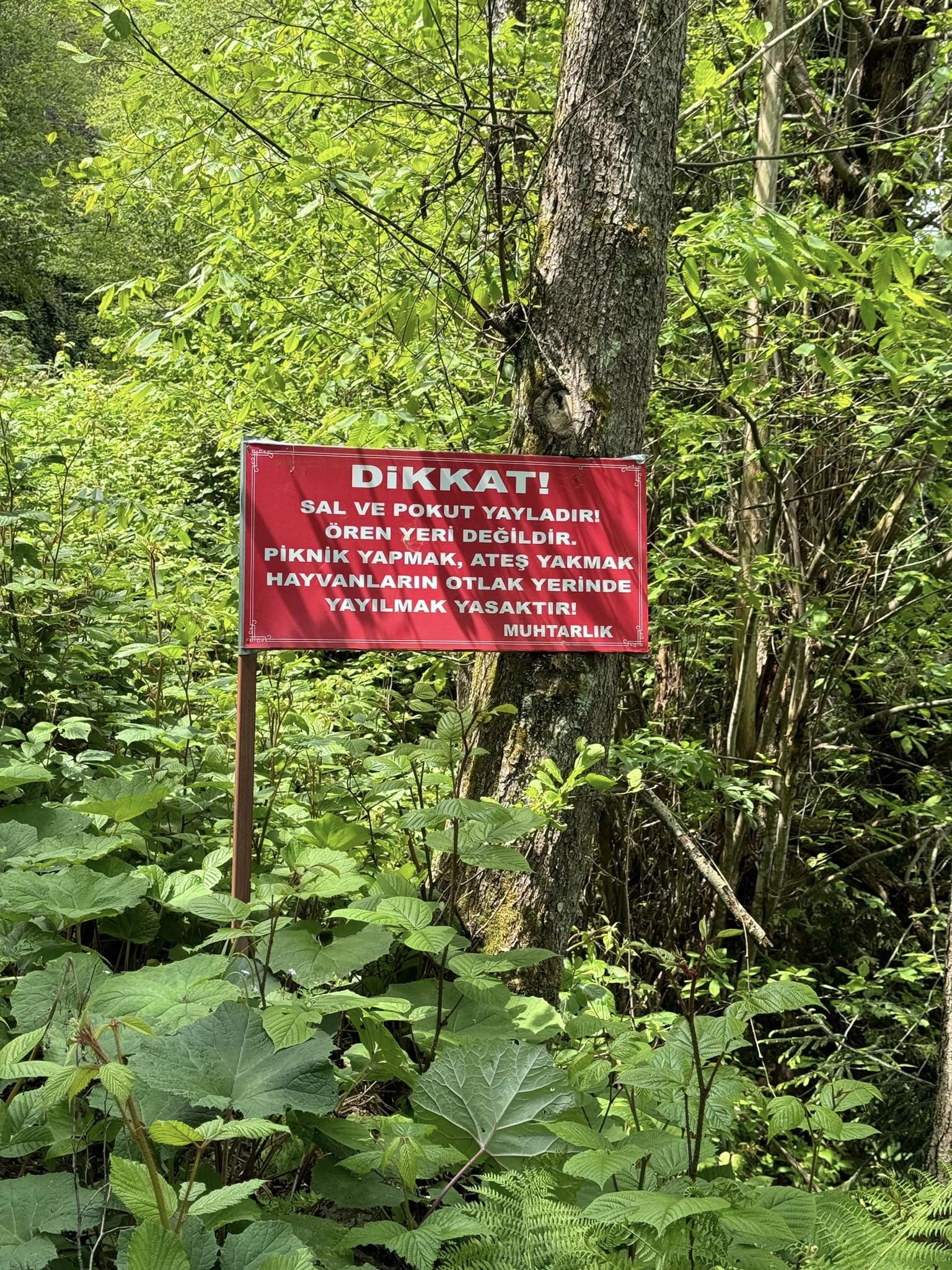
So we went for a drive up a 12 km road to one of the beautiful plateaus you see in the photos of these mountains. The first 3.5 km of hairpin turns on gravel and dirt roads were nerve-wracking and took about half an hour. Then we came upon this ominous-looking sign and, without Internet, we couldn’t avail ourselves of Google Translate. Should we continue or not…it turns out the sign means no picnicking and no grazing of animals is allowed, but I’m glad we heeded what we thought was a “danger, do not pass” warning!
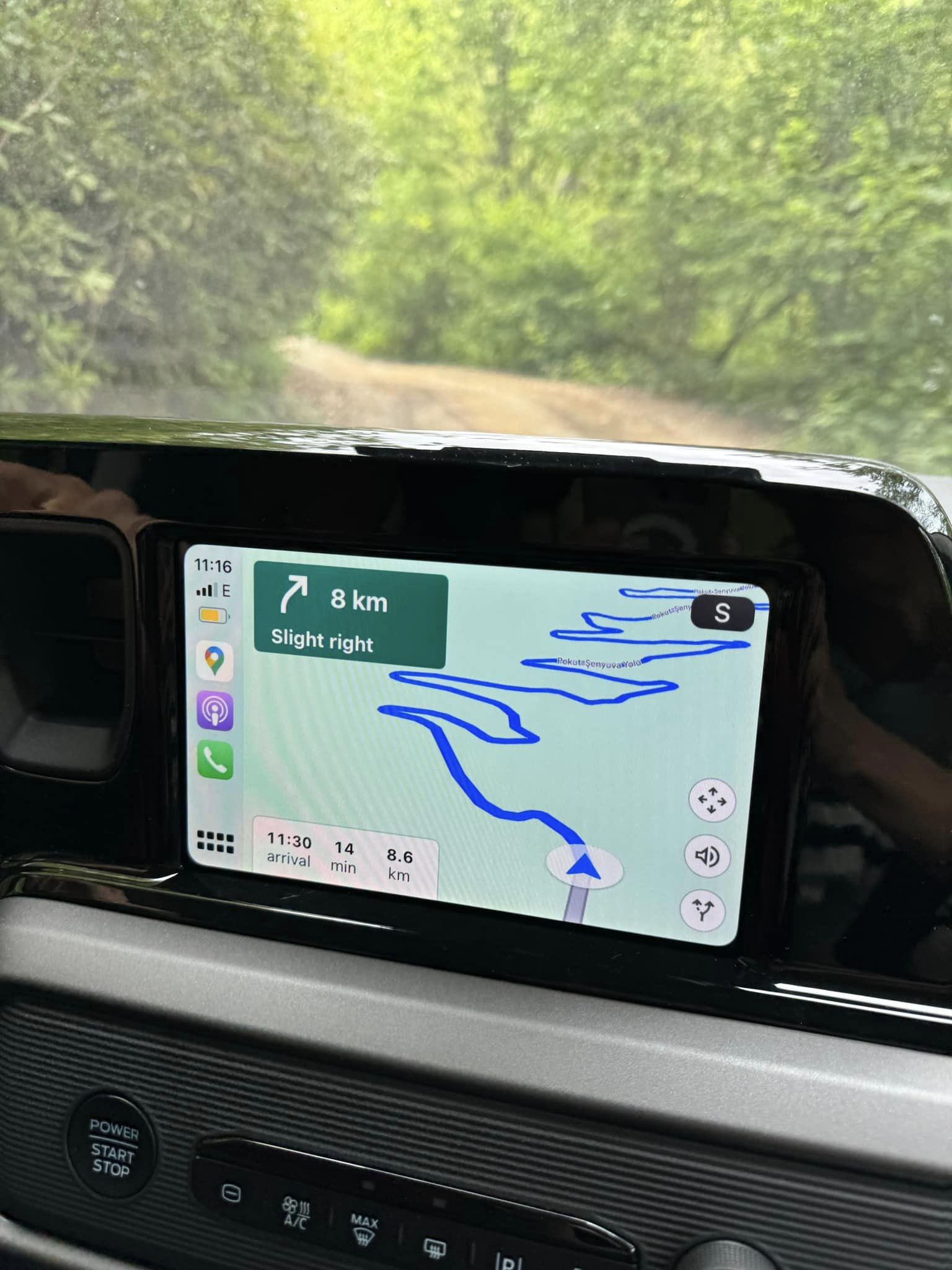
The road continued to look like this, uphill. There were no other cars going up or down and we figured the sign must have been a warning of a dangerous route. So we bailed. If the first 3.5 km took half an hour at a snail's pace, we’d be there all day and what are the chances the fog would roll in and shroud the top of the mountain? Next time, we will book a driver other than Adam with a 4x4!
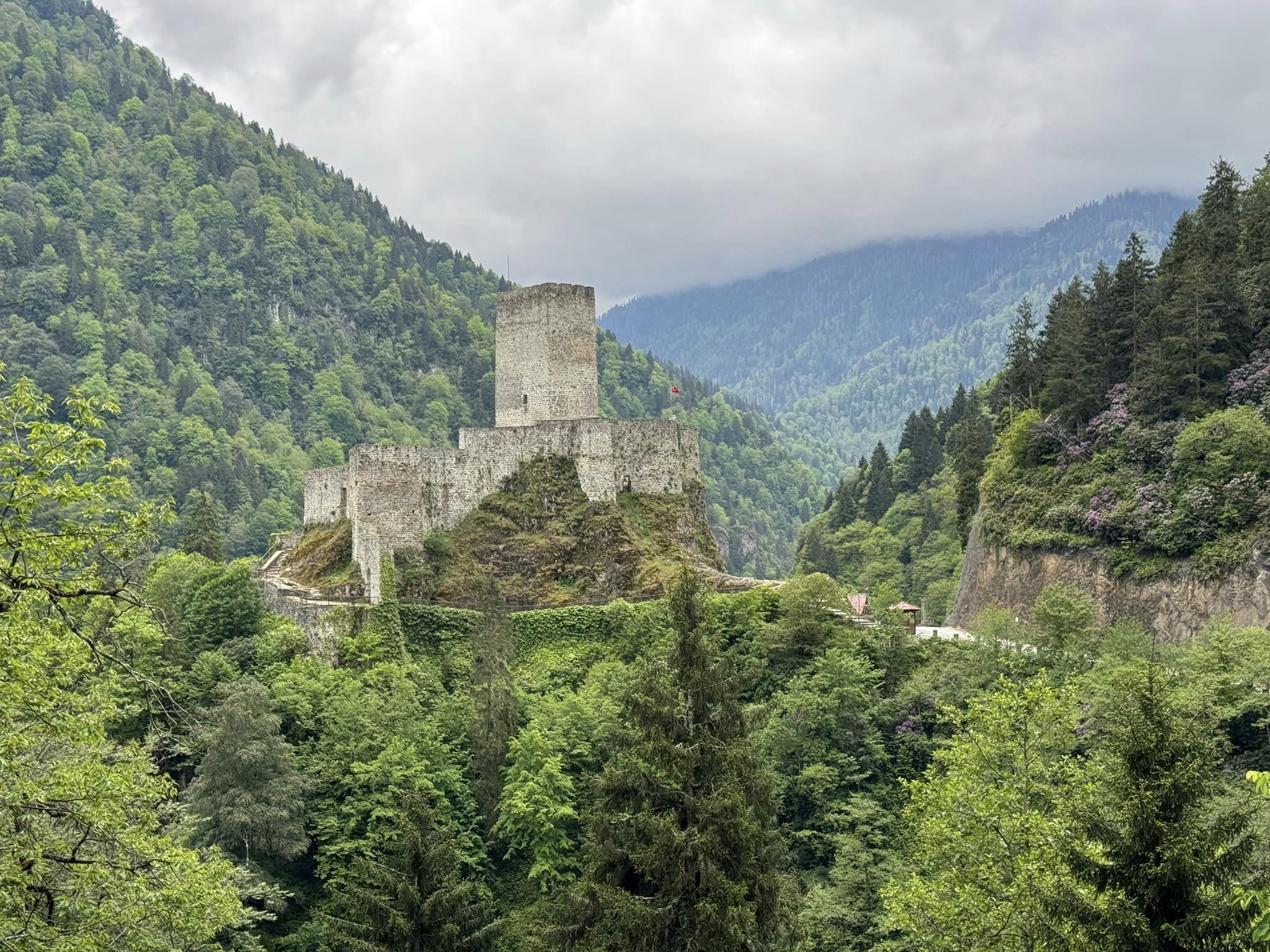
Another cliff-hanging structure, Zil Castle is perched in the Fırtına Valley with our favourite rushing river down below. Dating back to the 14th or 15th century, one has to wonder why they needed a defensive structure up at 1,130 meters over a fast-rushing river. Not quite a moat to keep the riff-raff out but a disincentive for sure. This was a rest stop on the Silk Road and helped the Ottomans keep some element of commercial control over this important trade route.
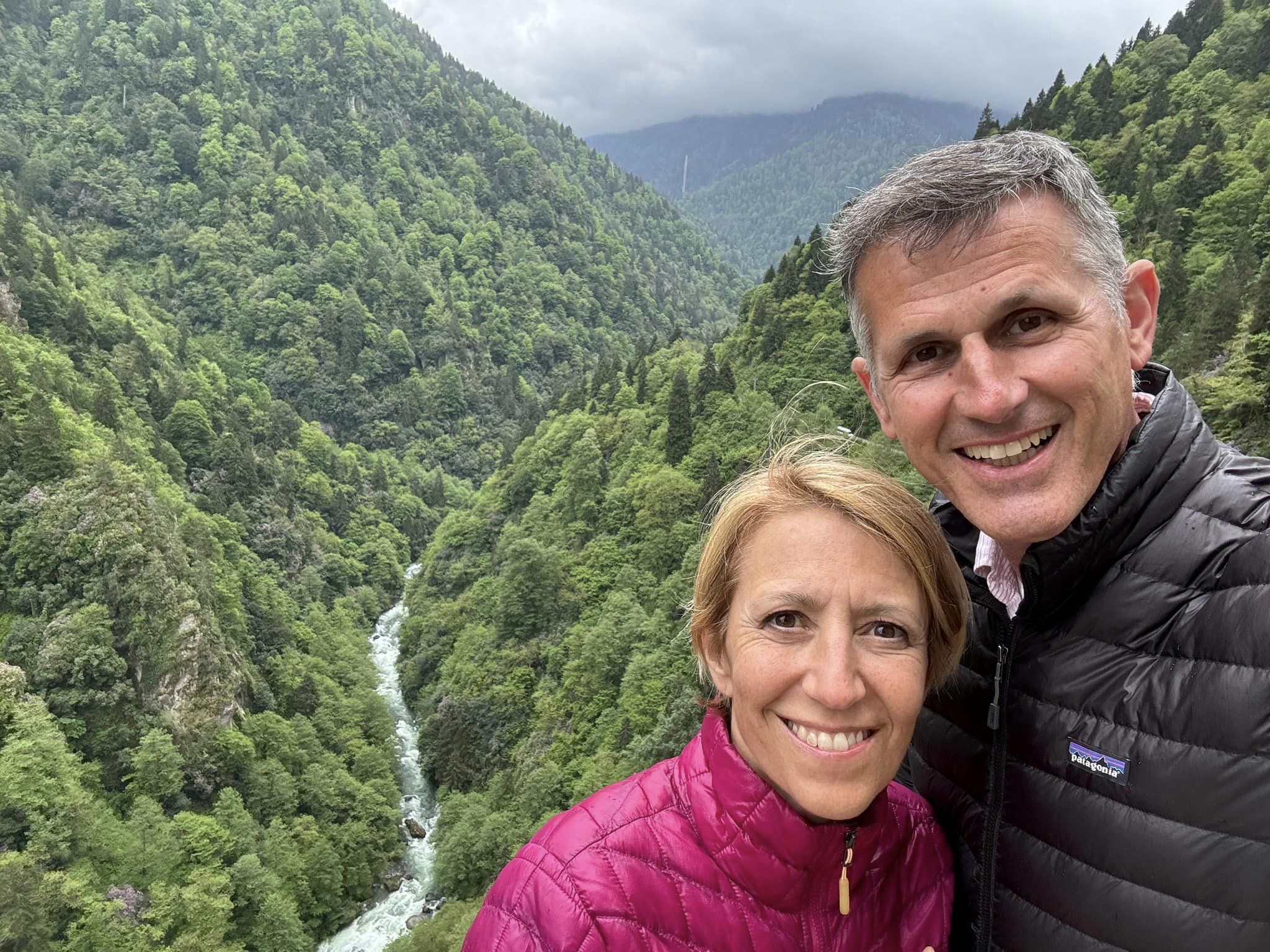
The Fırtına River rushes through it.
Above the Zil Castle is the Palovit waterfall. It’s only 15 meters high but it sure picks up speed as it flows 3,900 meters from the peak of the Kaçkar Mountains down to the Black Sea.
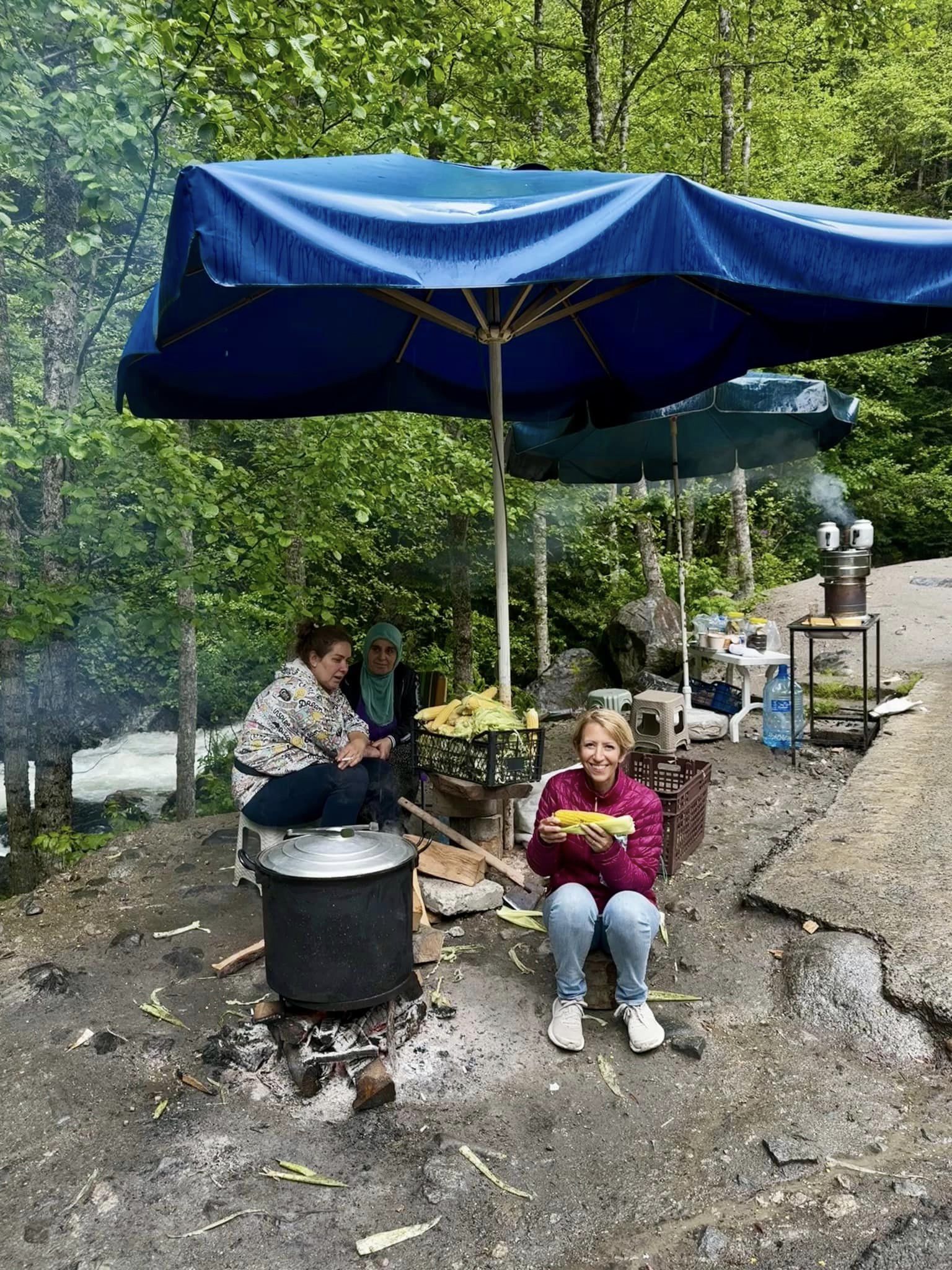
These ladies sell corn and tea at the waterfall. There is actually only so much tea one can drink in a day, but I had yet to have any corn! I love how they wrap the boiled corn in its husk to serve it. Then they save the husks and cobs to bring down to the cows as feed. Apparently it helps with milking. Amazing what you can learn from people with only hand gestures!
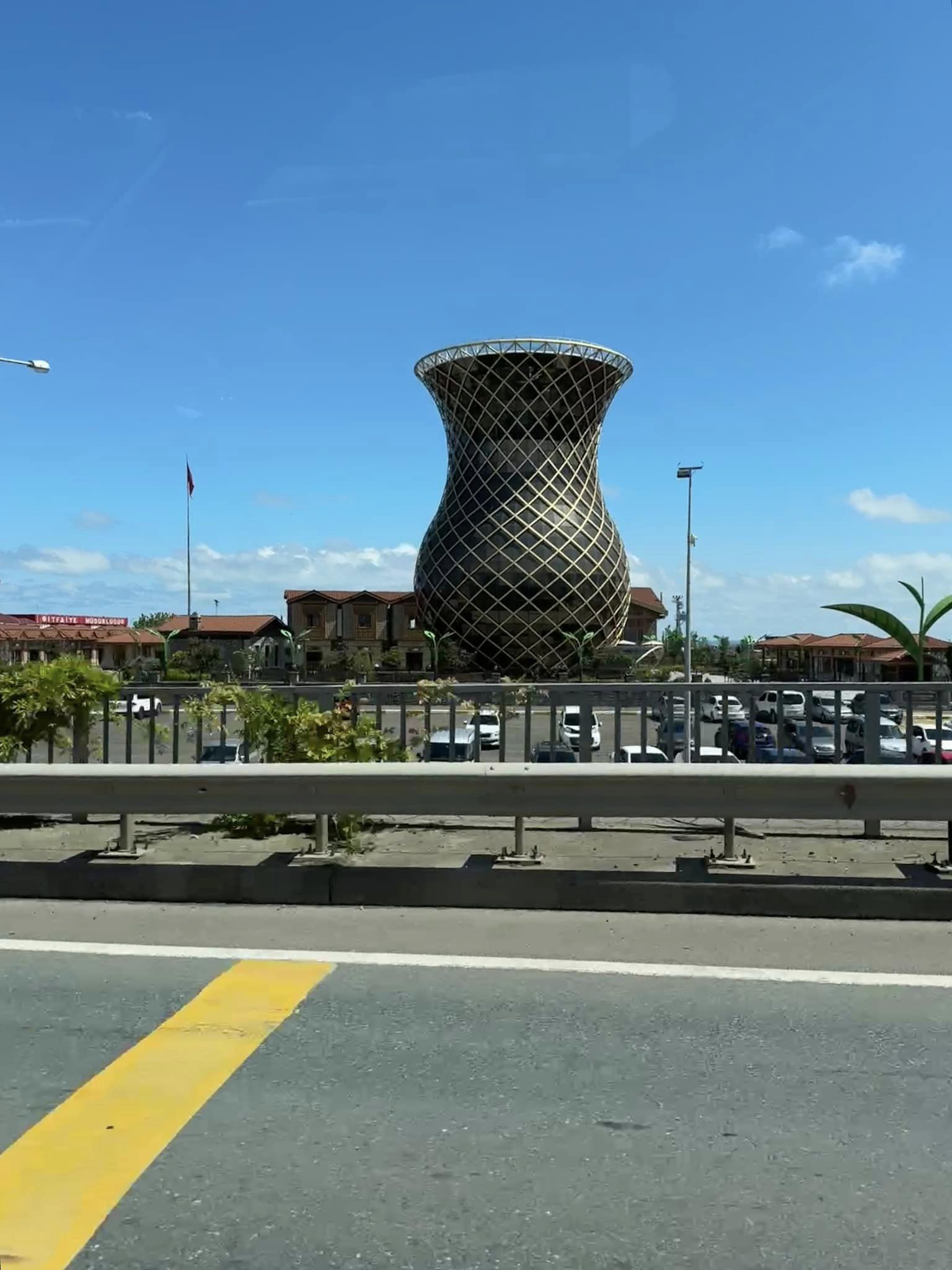
A giant Turkish tea glass graces the entrance of Çaykur, the state-run tea company.
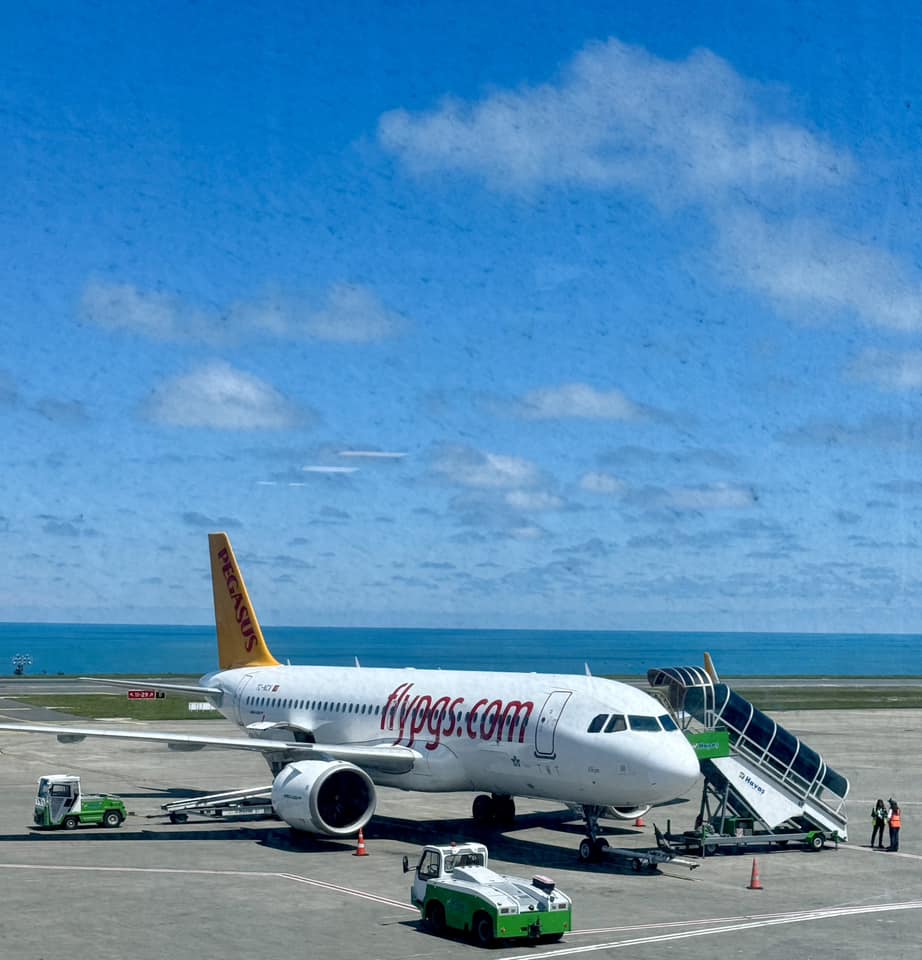
I just can’t not see a letter “i” between the “p” and the “g”.