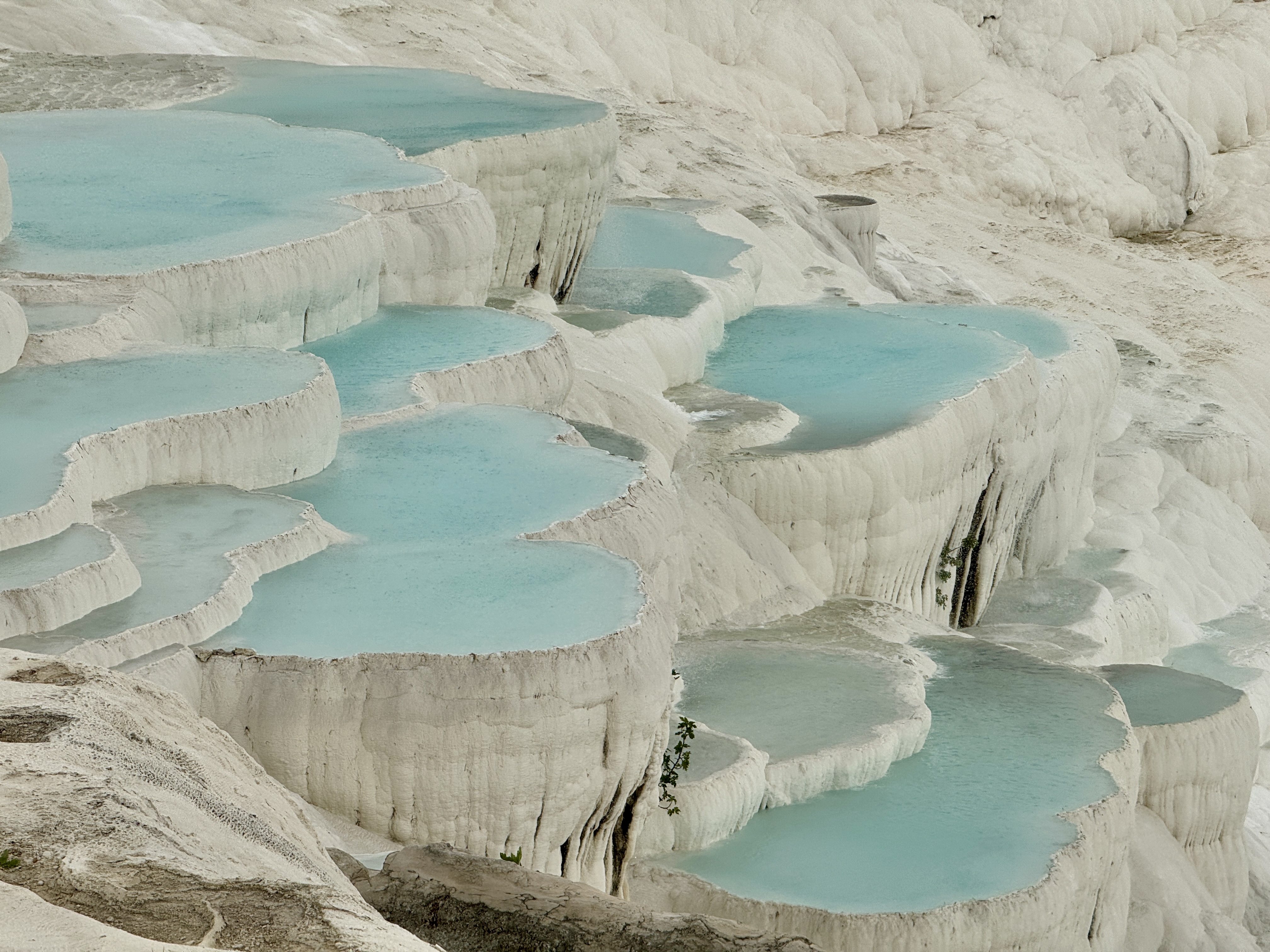
Purifying Pamukkale
In ancient times, Pammukale’s big draw was its hot springs and nothing has changed in the last few millennia. People still flock here to dip in the healing, mineral-rich waters full of calcium, sulfur and silica. Lots and lots of people here in the water…and of course no chlorine or other such chemicals to keep it clean. Let’s hope the natural chemicals and minerals can do that job while also healing us pilgrims of our various ailments!
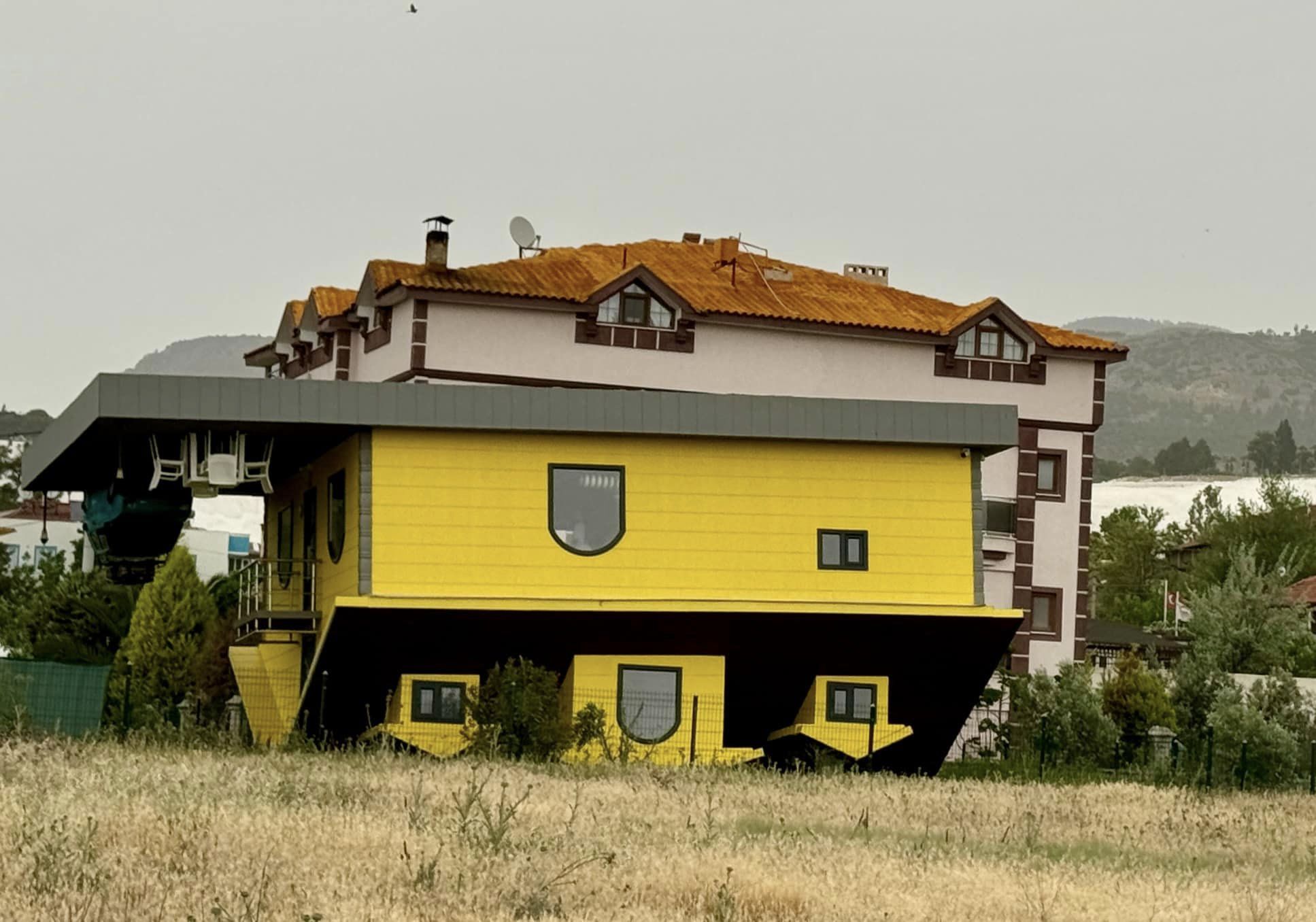
We visited on a super windy day…
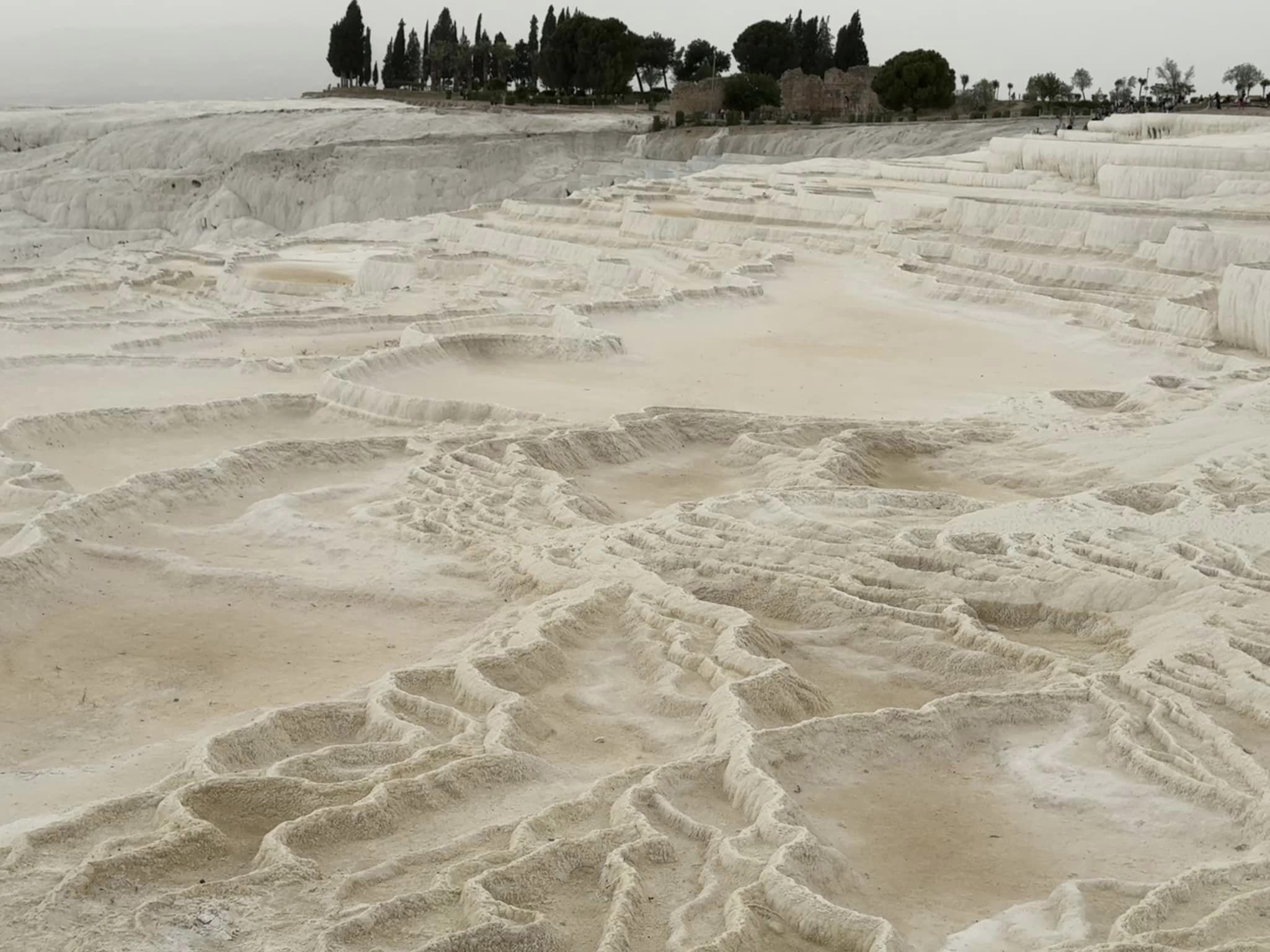
The water no longer fills all the pools. Not sure why, but it’s diverted to keep certain pools full while others are dry. Regardless, the empty pools travertine formations are as stunning, but in a different way, as the full pools.
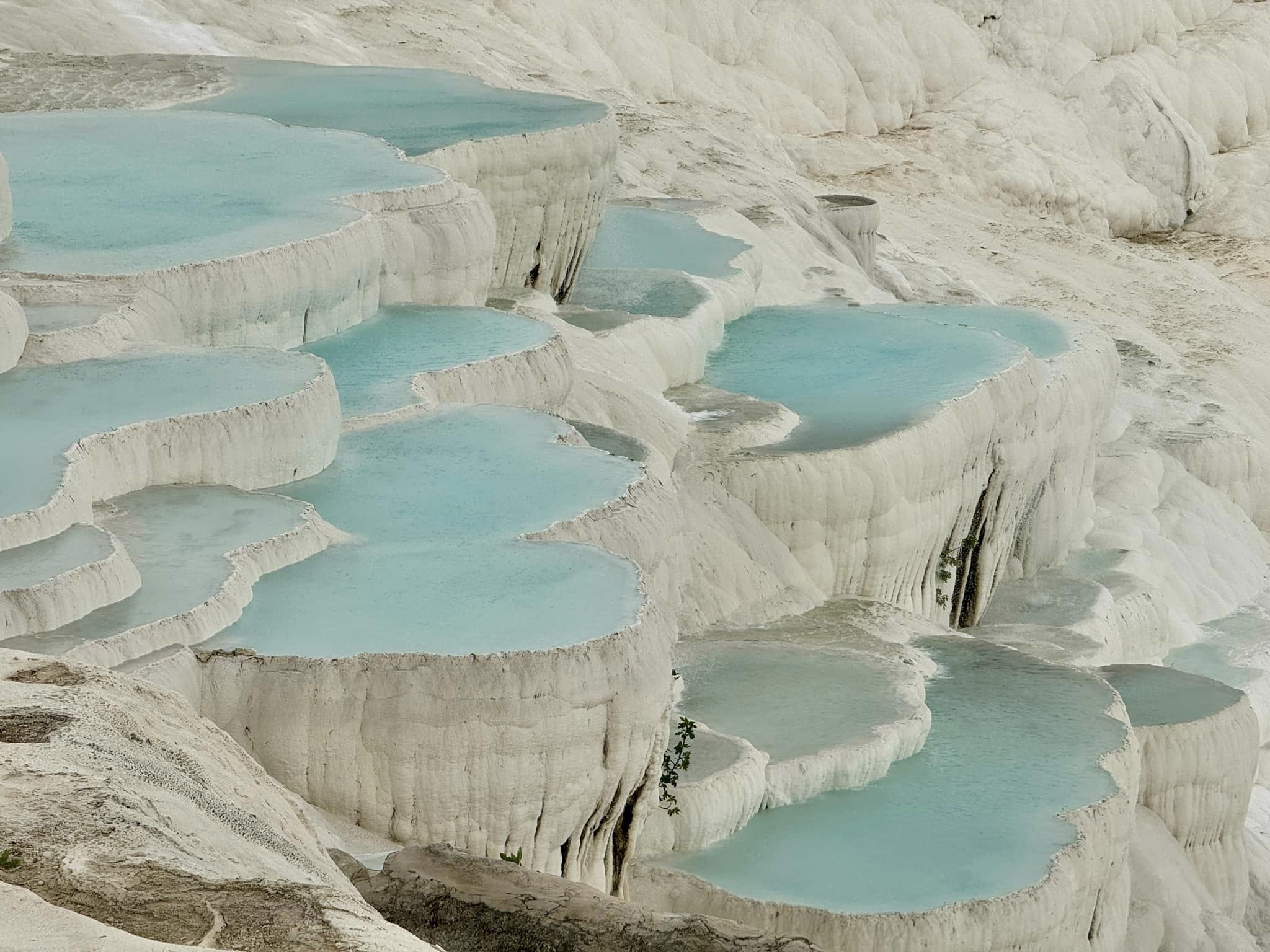
And here we go. The magical travertine pools. Overcast and windy, the colours are not as dramatic as they normally are but still a wow! Pammukale means Cotton Castle; these travertine formations look like a castle of white, floating clouds.
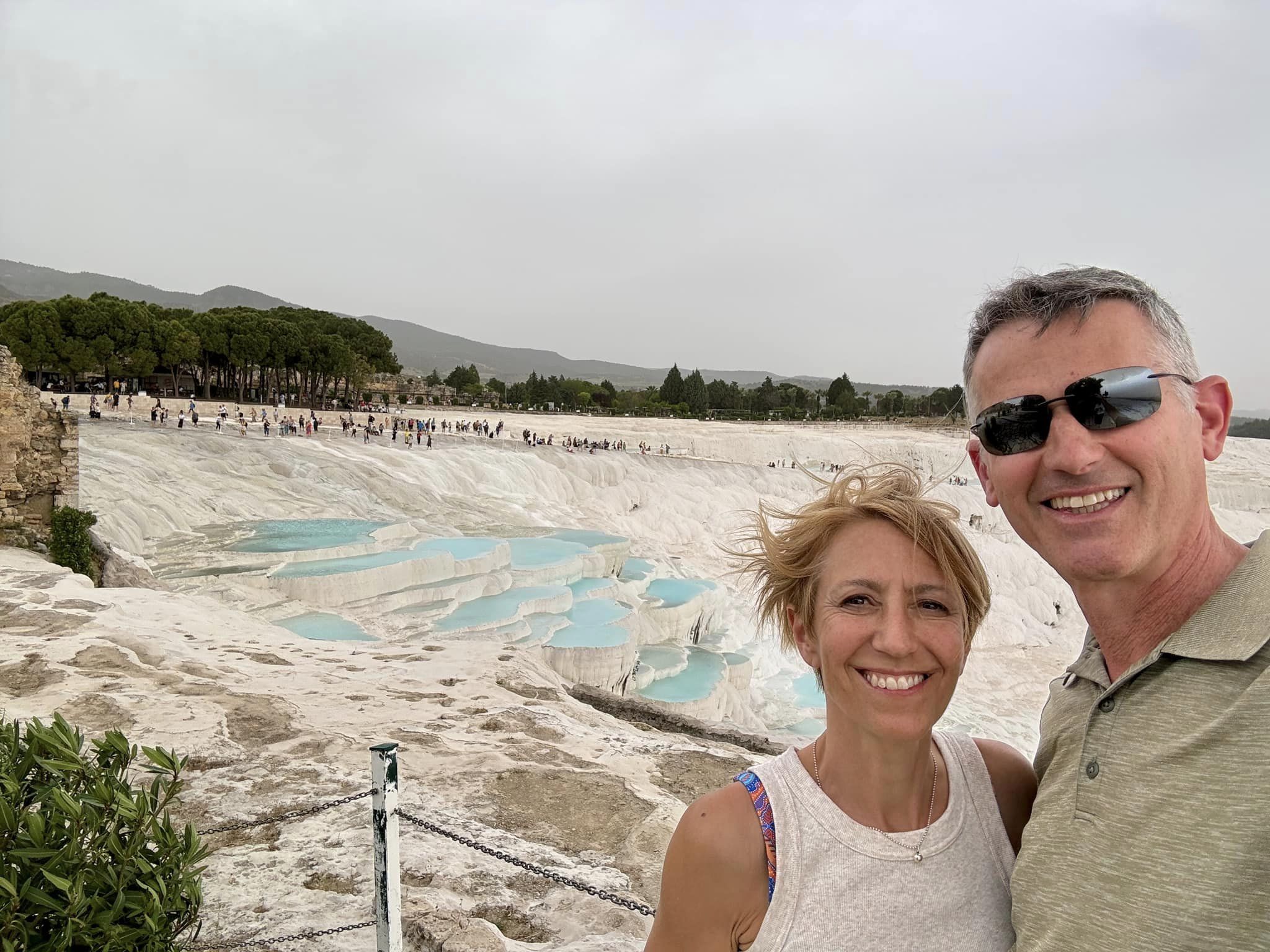
Windy, windy! Rookie mistake…I’m dressed to blend in. So how did this beautiful terraced landscape form? Like with much of the cool geological world around us, we can thank volcanoes and earthquakes. Eruptions created terraces, earthquakes caused cracks, water seeped in and and helped carve shapes on its way downhill. A bunch of mineral-rich hot springs bubble up and when the temperature of the water drops below 35C, the calcium precipitates out and leaves these deposits in its wake. Throw in a few million years and you get this!
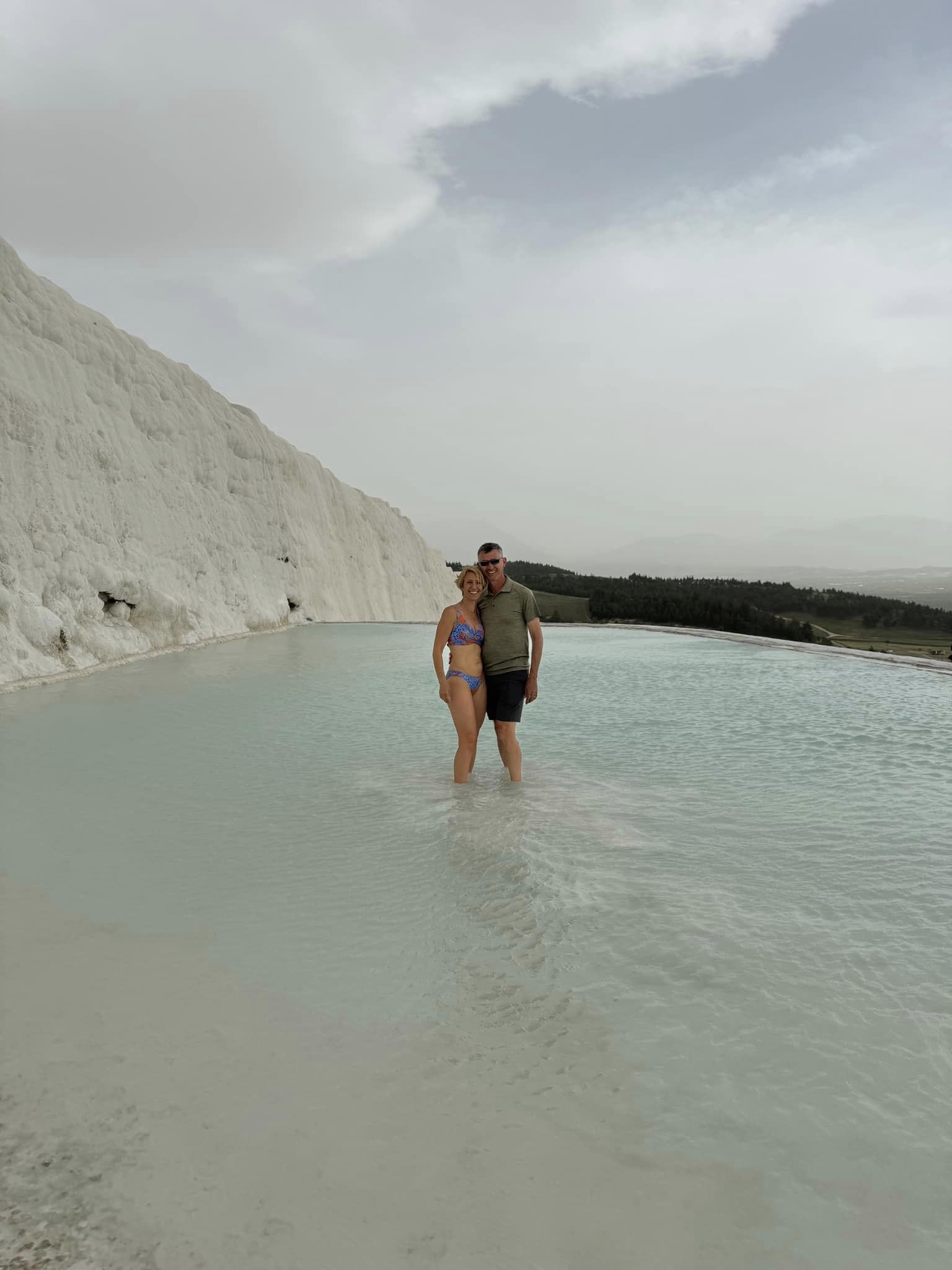
Every morning, they refresh the waters in the pools and then divert the flow for the rest of the day. This pool is cool at this time of day but would have been warm first thing in the morning..and maybe the pristine quality of the water has been used up by the few thousand toes that have been dipped in here today...
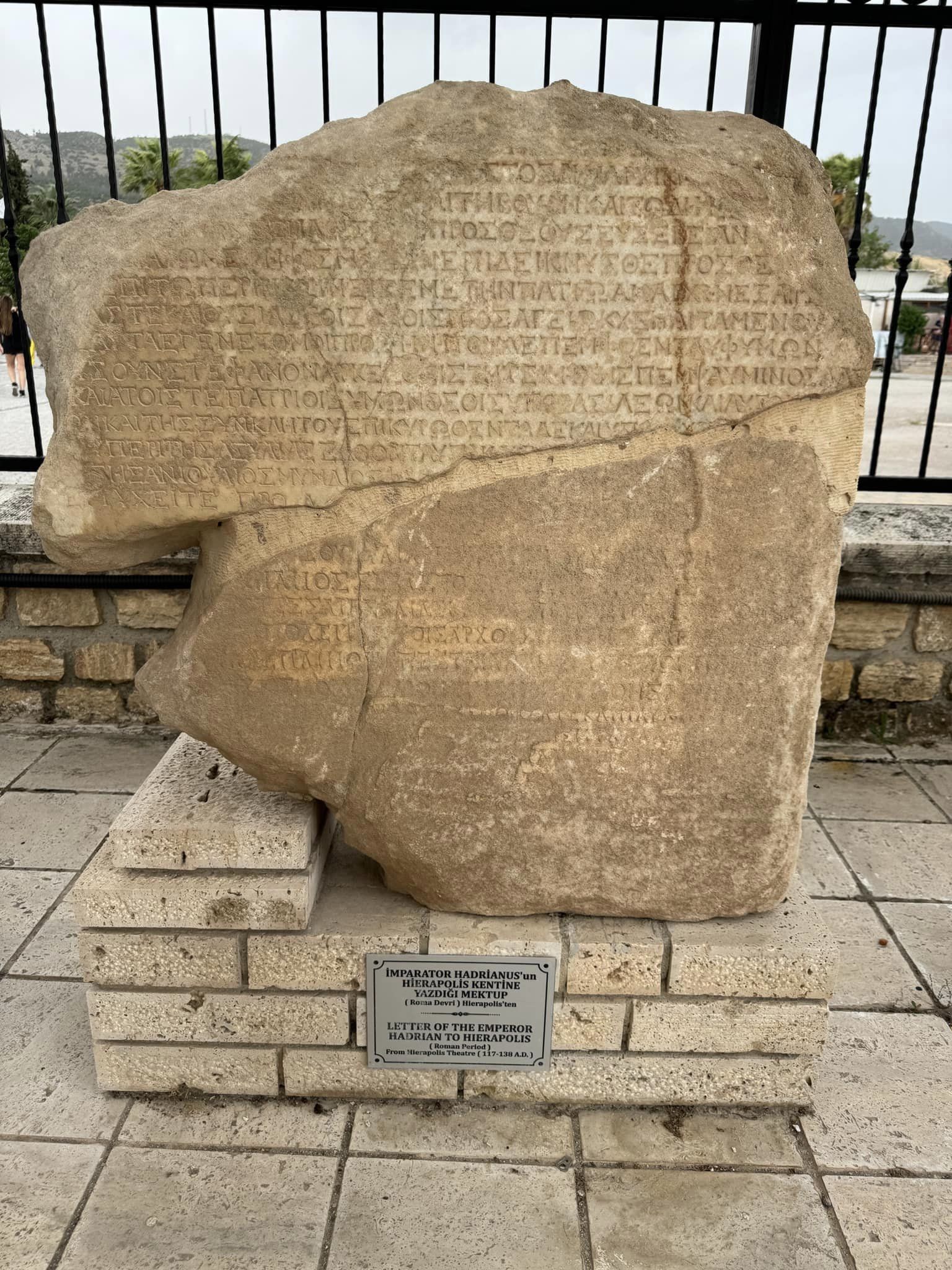
Emperor Hadrian’s letter to Hierapolis from the first century AD. I wonder with letter carrier drew the short straw and had to deliver it!

Sticking with the pool theme, Cleopatra’s Ancient Pools you can actually swim in, among bits of ruins. If it’s good enough for Cleopatra, it’s good enough for me! It was around body temperature but every now and then there were warmer spots…legitimately so, I’m sure, coming from the springs below.
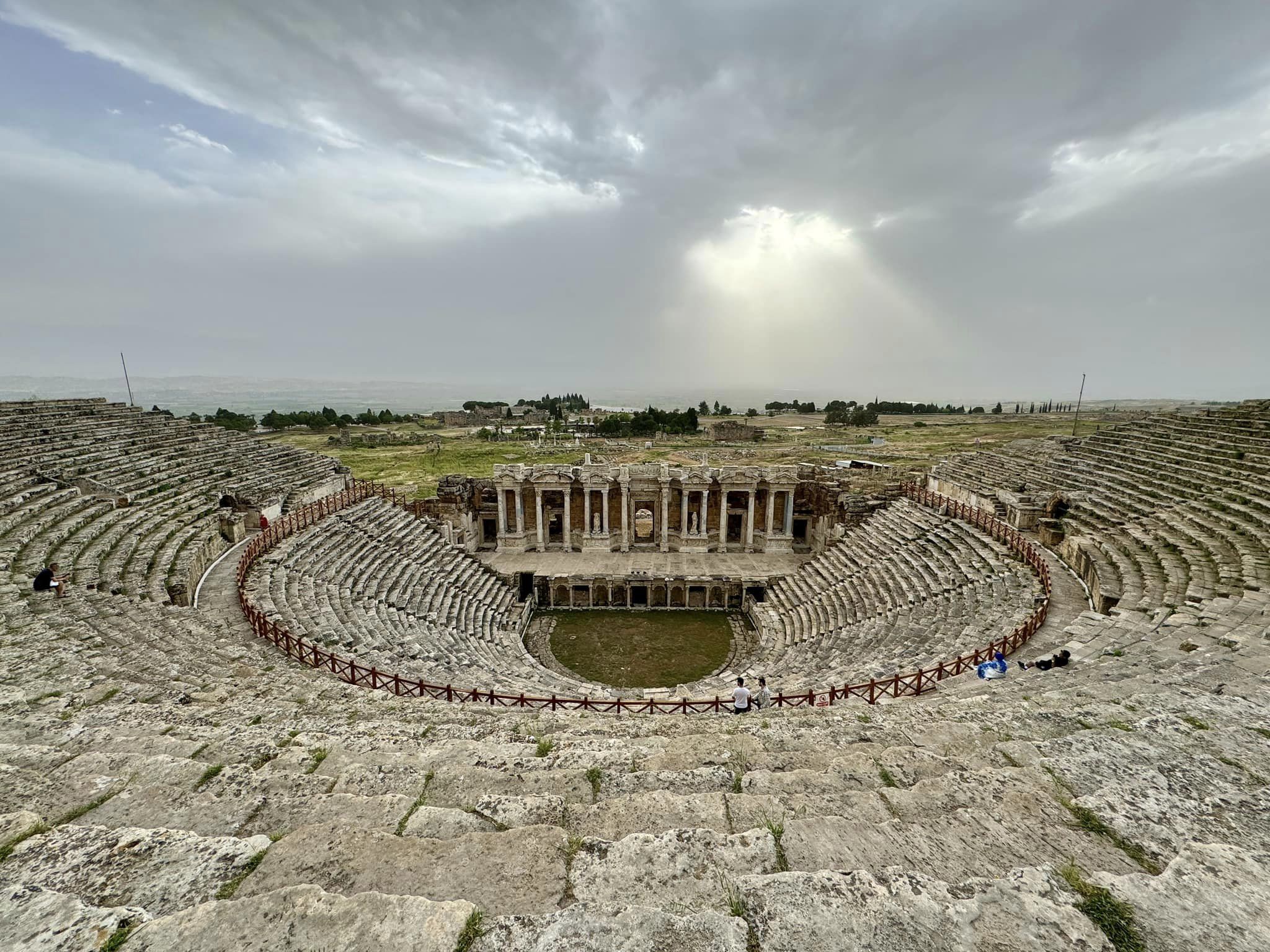
We weren’t super impressed with the ruins of Hierapolis, especially after Ephesus, kind of like the bad strategic decision we made years ago when our kids were small and we went to Disneyland before Legoland. We almost didn’t climb the hill to enter the theatre. Thankfully we did! This is one of the most impressive theatres of all. Carved into the hills overlooking Hierapolis, I think this is the most magnificent part of this ancient city.
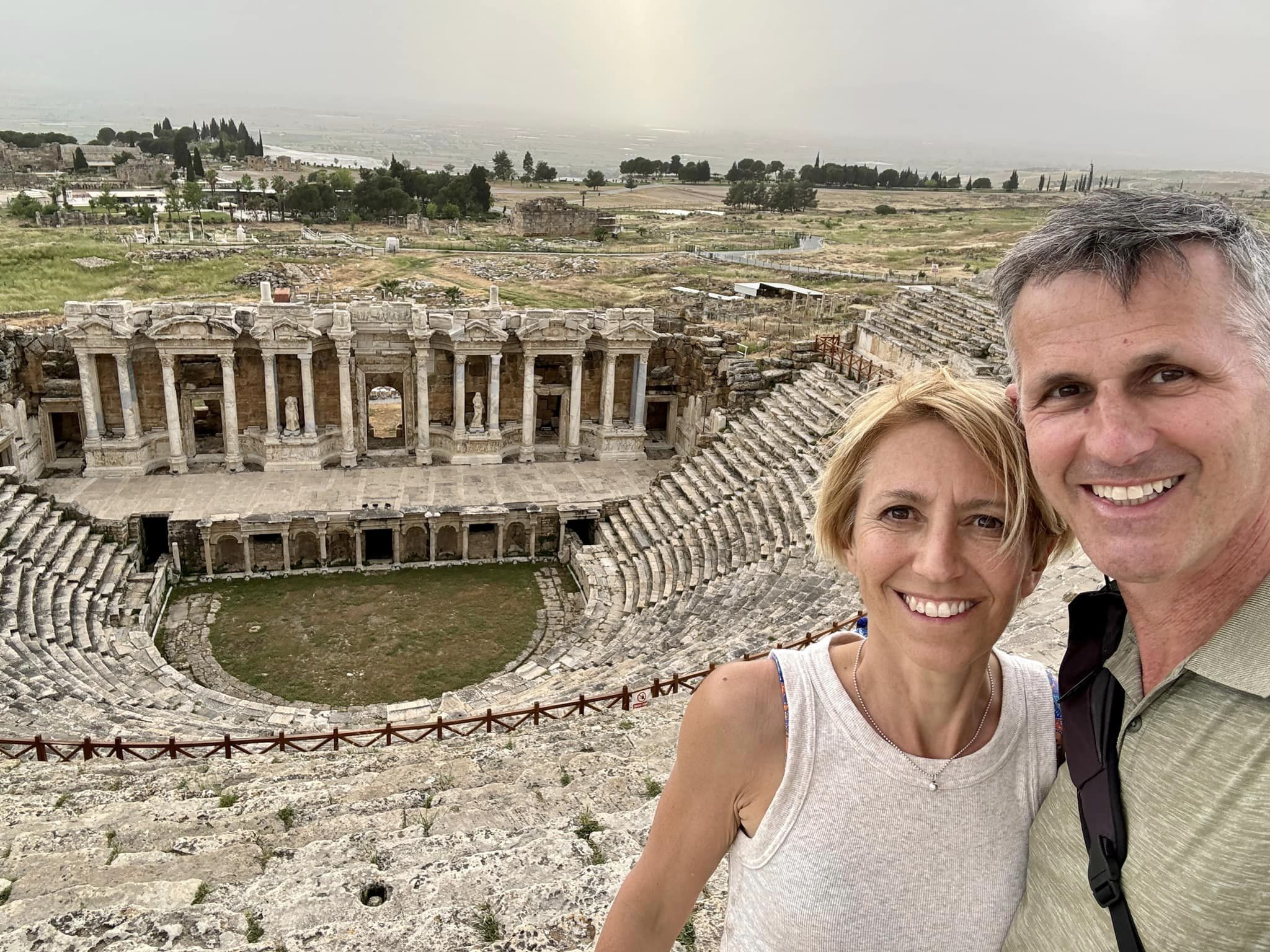
This first century theatre was rebuilt in the second century AD by Hadrian after an earthquake and then renovated again in the third century AD under Septimus Severus. Each time, it got bigger and more impressive. By the end of the renovations, it could hold 10,000 people and is said to be one of the best preserved theatres in the world. I haven’t seen them all but I wouldn’t disagree.
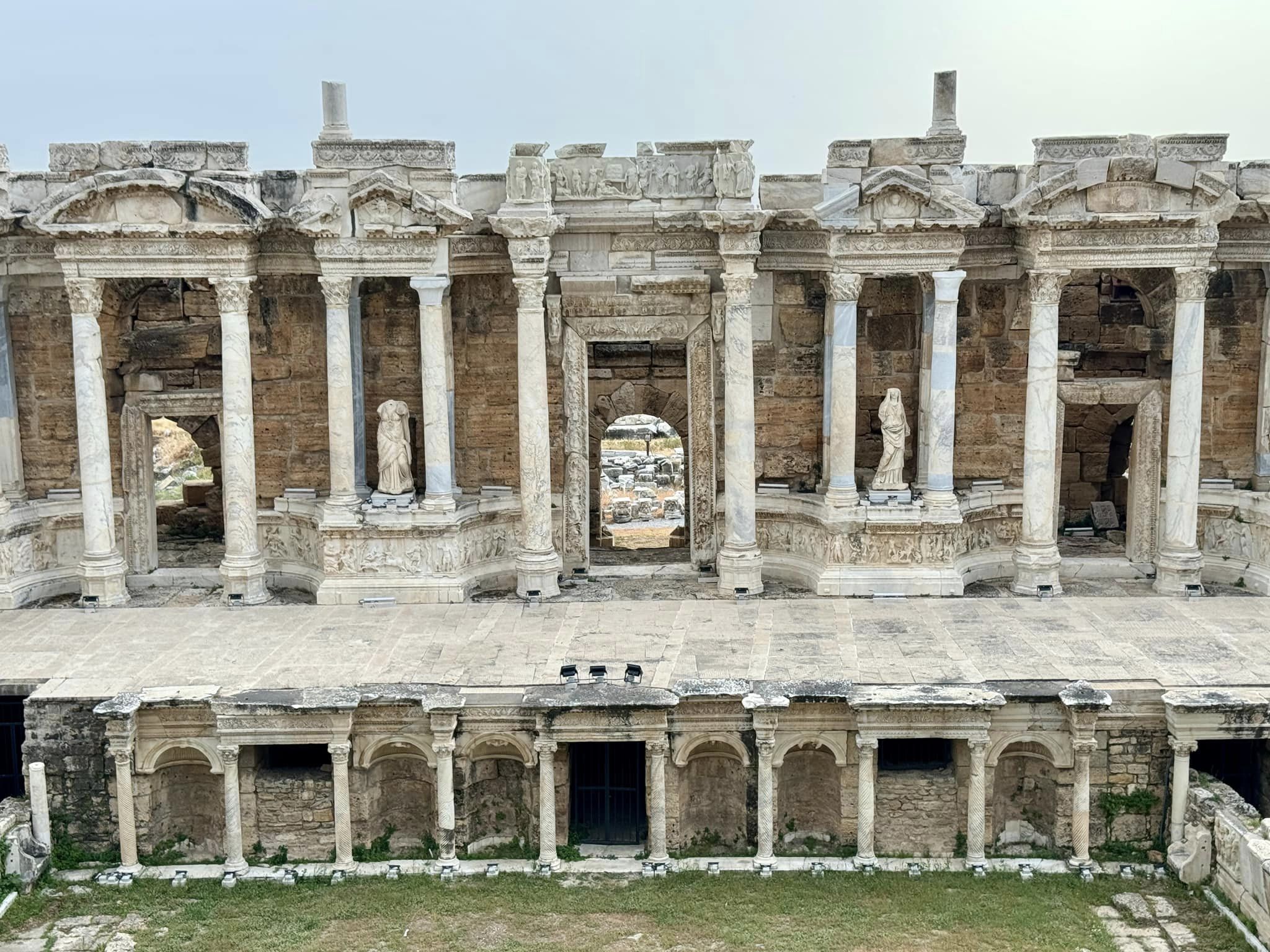
One of the most amazing parts of this theatre is the backdrop.
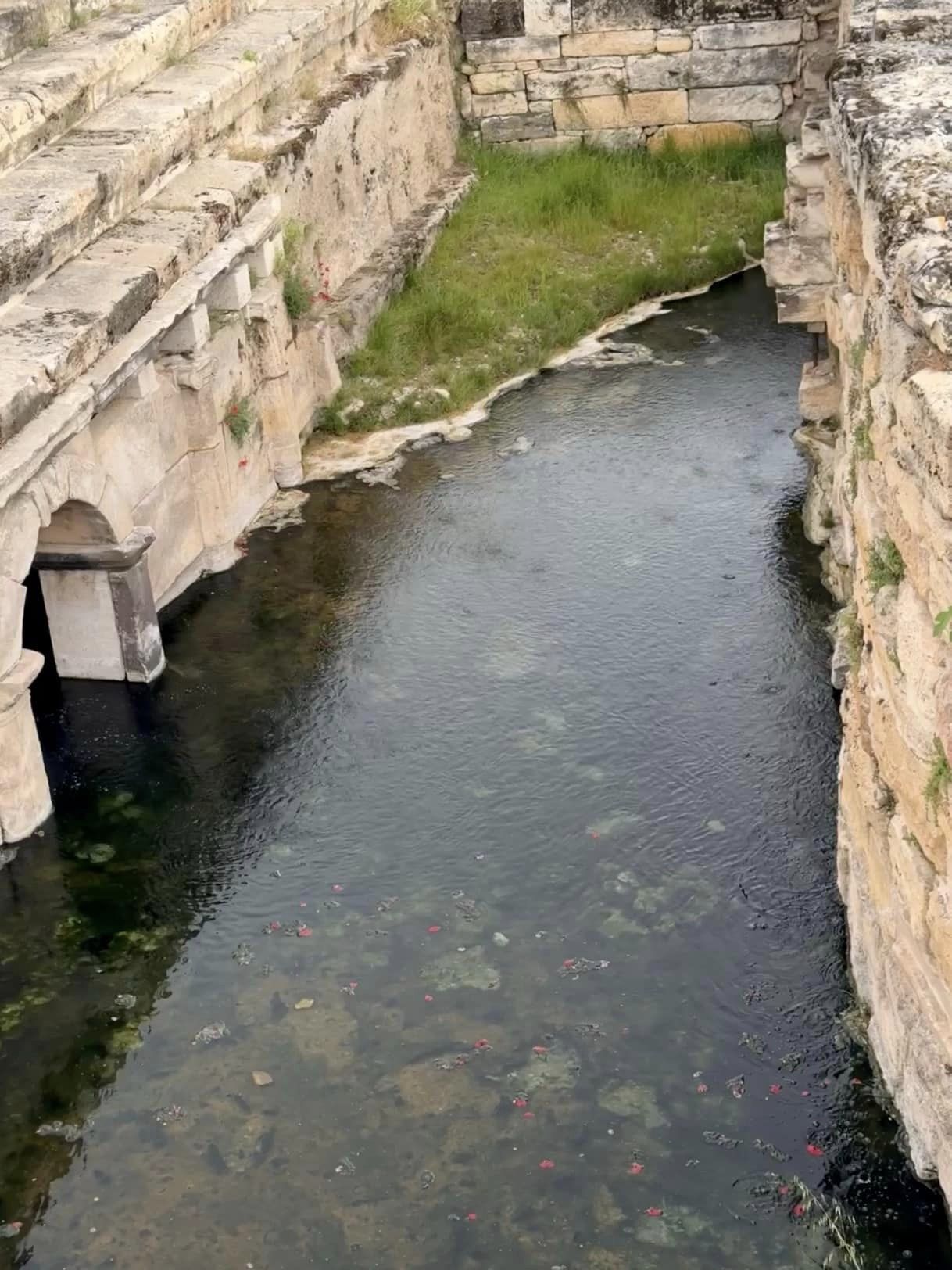
Pluto’s Gate (the Gate to Hell) came about when some clever people noticed their animals were dying near a cave here. It turns out toxic gasses from a hot spring inside the cave was the culprit and the Greeks and Romans came to associate this site with the god Hades and the underworld. The bubbles surfacing in the water here are the glasses which continue to be released. We didn’t get too close…