Captivating Cape Town
Cape Town in late December sits at the tip of Africa where two oceans make up their minds about each other. We were there with the kids for just over a week, working our way along the Cape Peninsula — and we could have easily stayed twice as long.
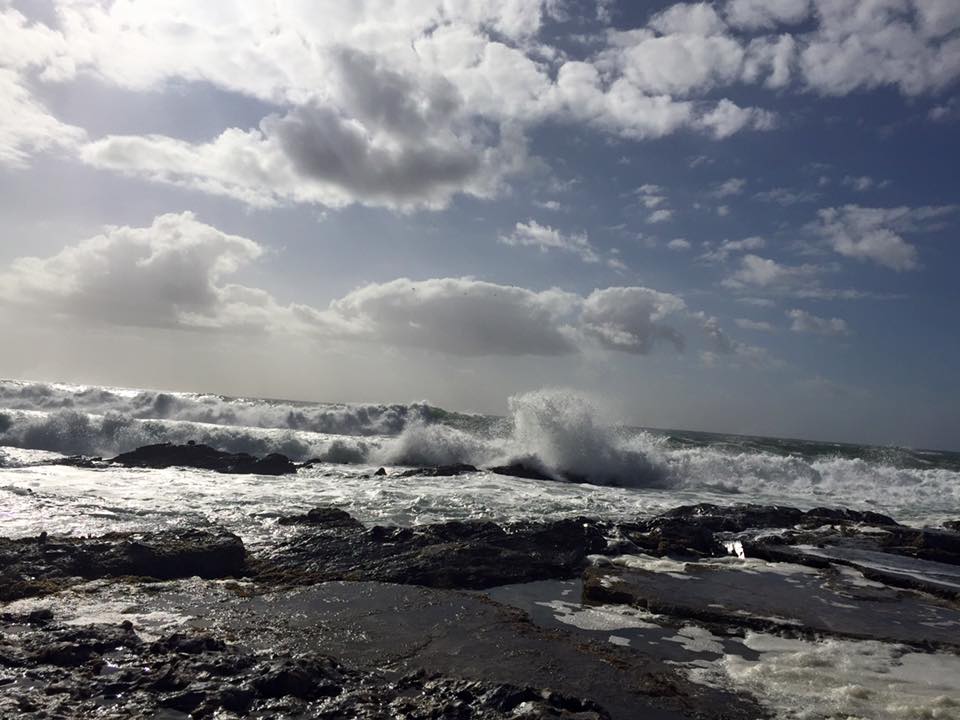
Sea Point runs along the Atlantic Seaboard — a long promenade above dramatic rocky shoreline where the waves come in properly.
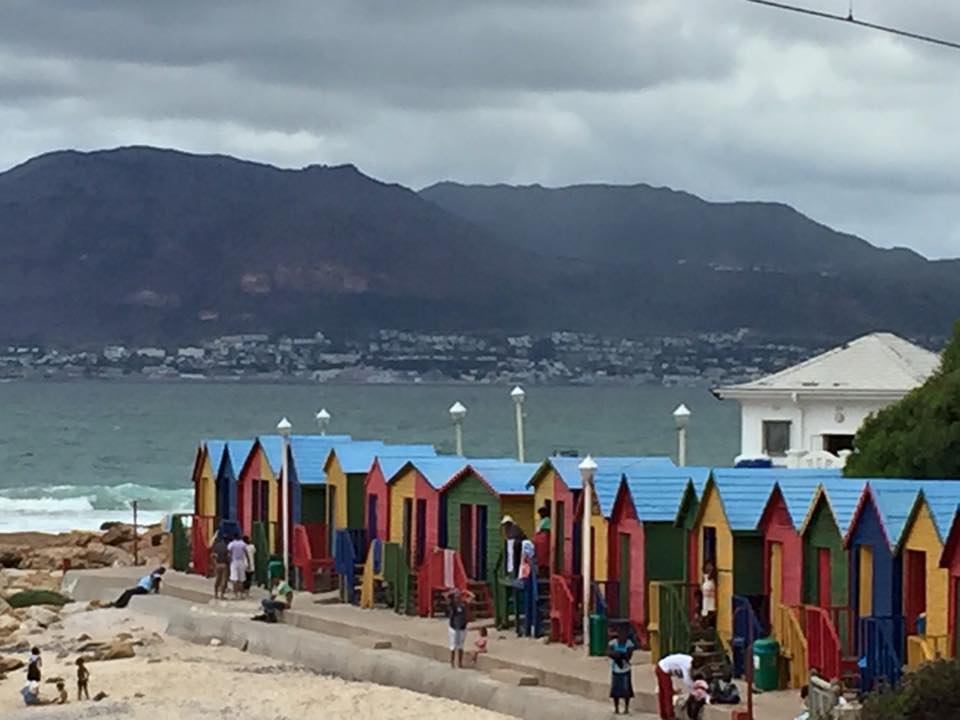
St. James, just around the corner toward False Bay, is famous for its row of Victorian bathing boxes in candy colours. Classic Cape Town.
The Cape of Good Hope is technically not the southernmost point of Africa — that’s Cape Agulhas, further east — but it is certainly the most dramatic. The cliffs are enormous and the wind is something else entirely.
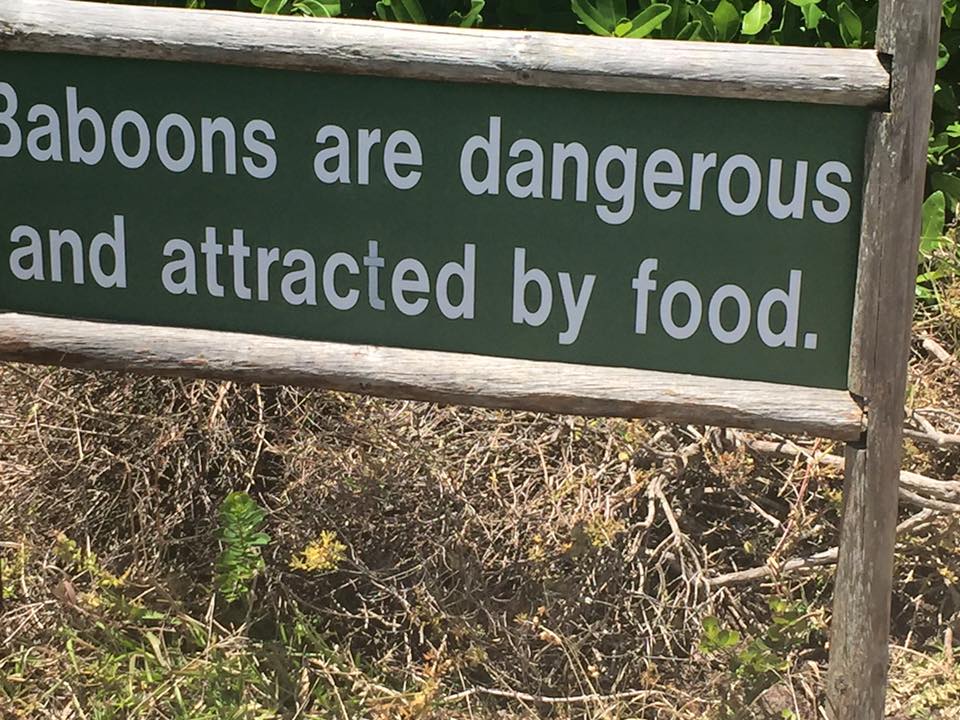
…and our kids…
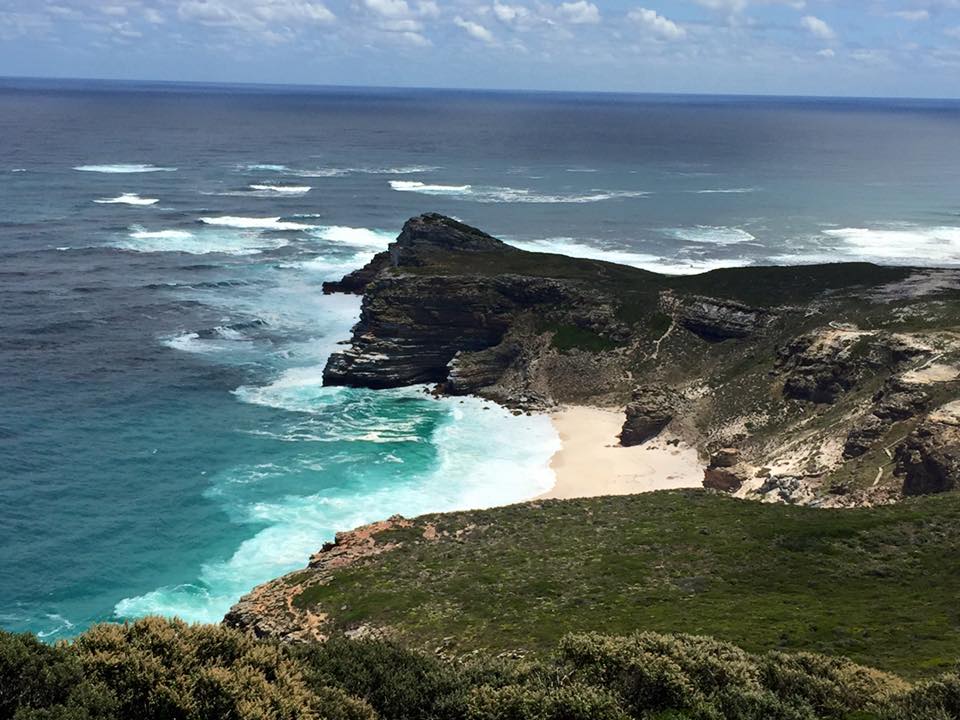
Cape of Good Hope.
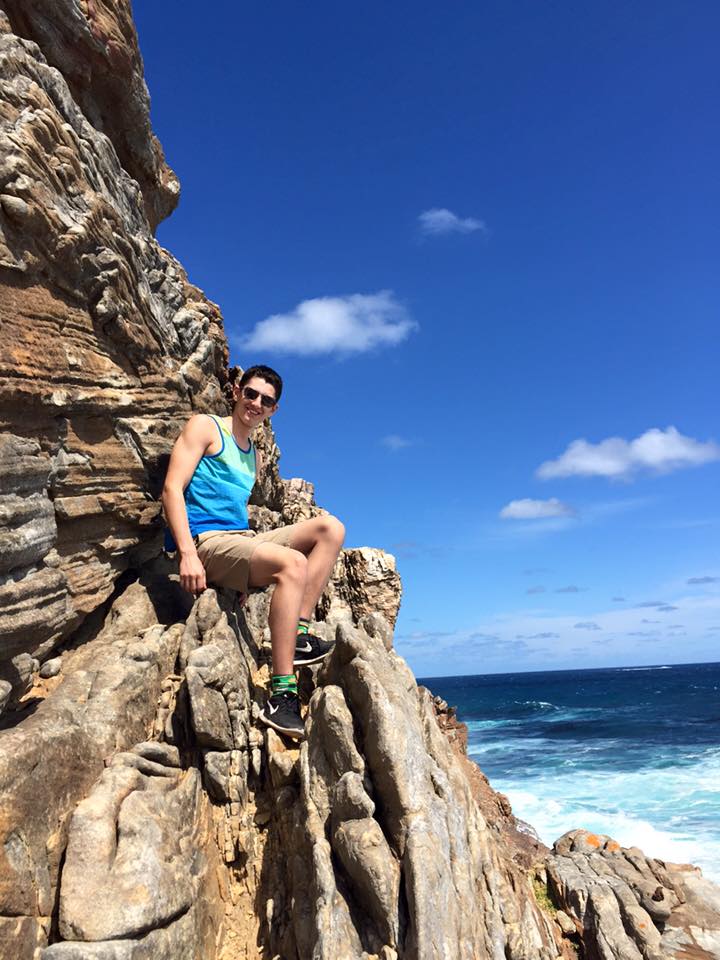
On the rocks at Cape of Good Hope. The sign behind you matters here.
Boulders Beach near Simon’s Town has an African penguin colony — which somehow still surprises every time. Penguins! In Africa! They waddle around completely unbothered by the visitors. Muizenberg, on False Bay, is known for its colourful wooden bathing boxes and its waves, which are just big enough to be fun.
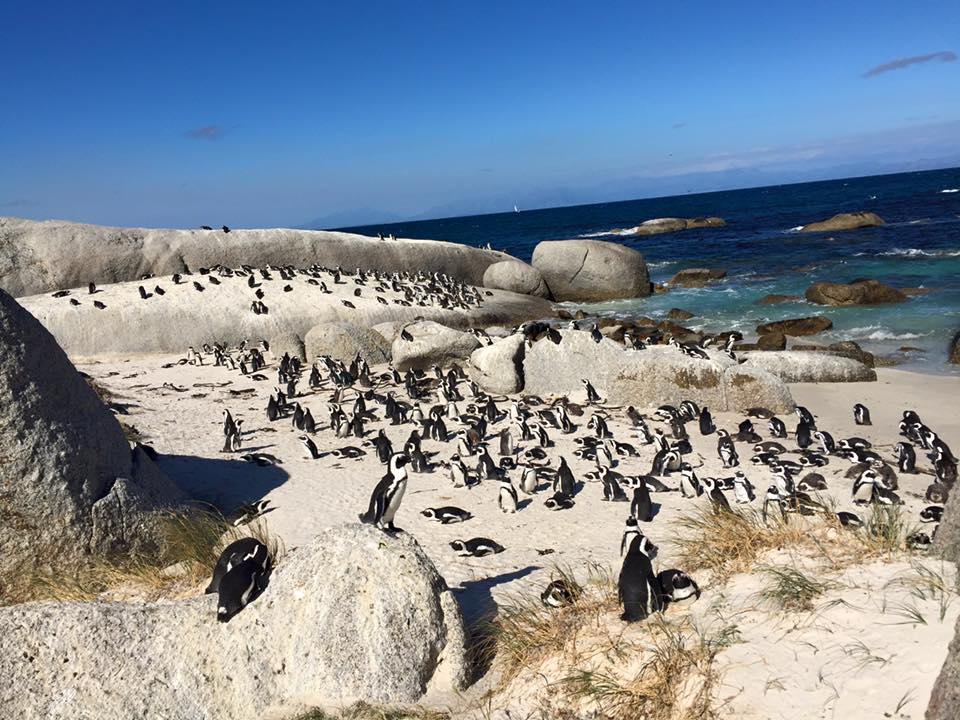
Boulders Beach penguin colony. They are utterly indifferent to us.
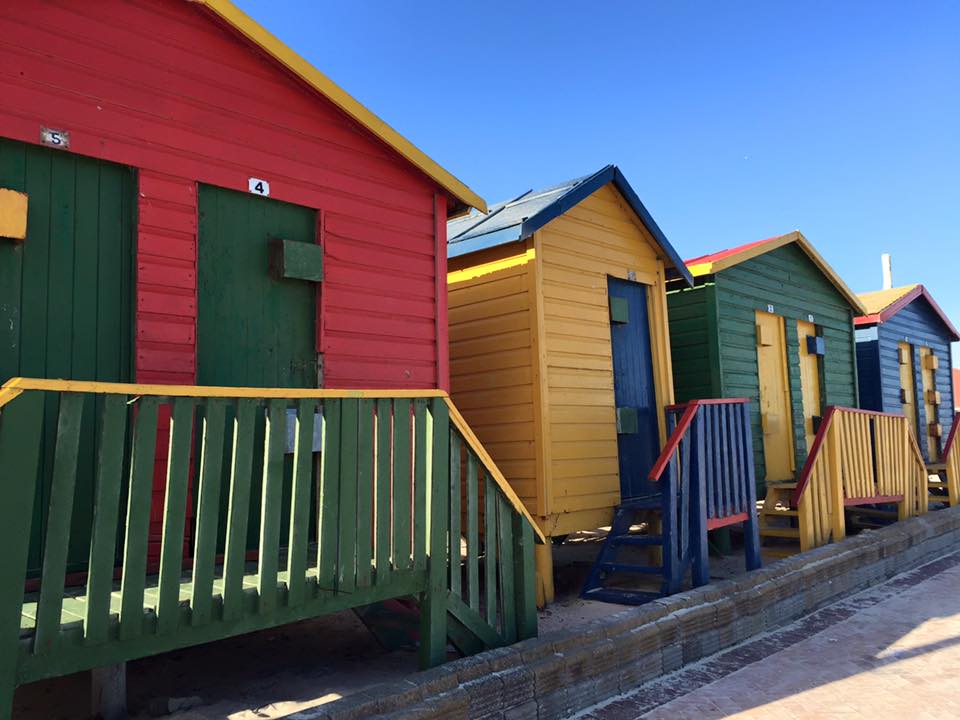
Muizenberg cabanas — the most photographed stretch of beach on the Peninsula.
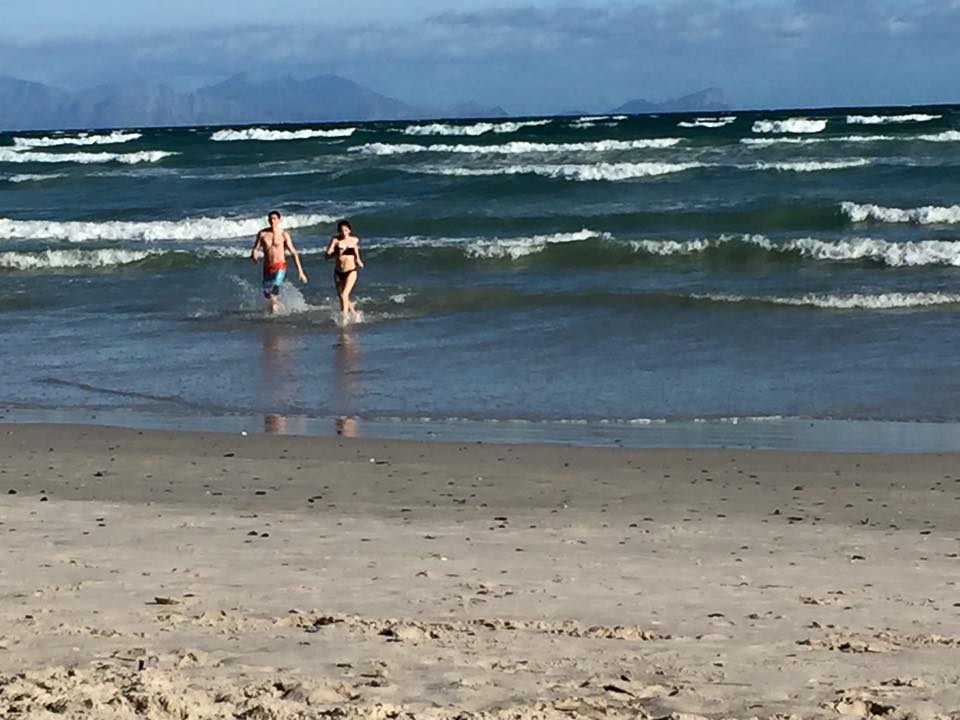
Wave jumping at Muizenberg. Not as easy as it looks.
The baboons at Cape Point are… bold. This one joined us for lunch uninvited. Fortunately he showed some restraint — unlike some of his colleagues, who will absolutely take a sandwich directly out of your hands without breaking eye contact.
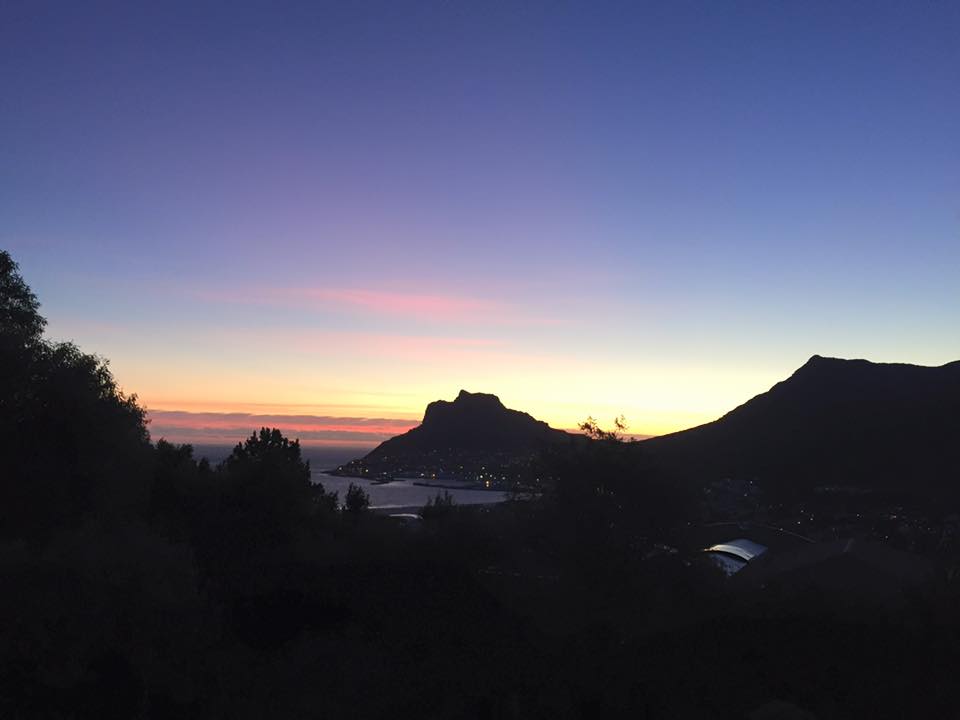
Hout Bay in the early evening. That's all that needs to be said.
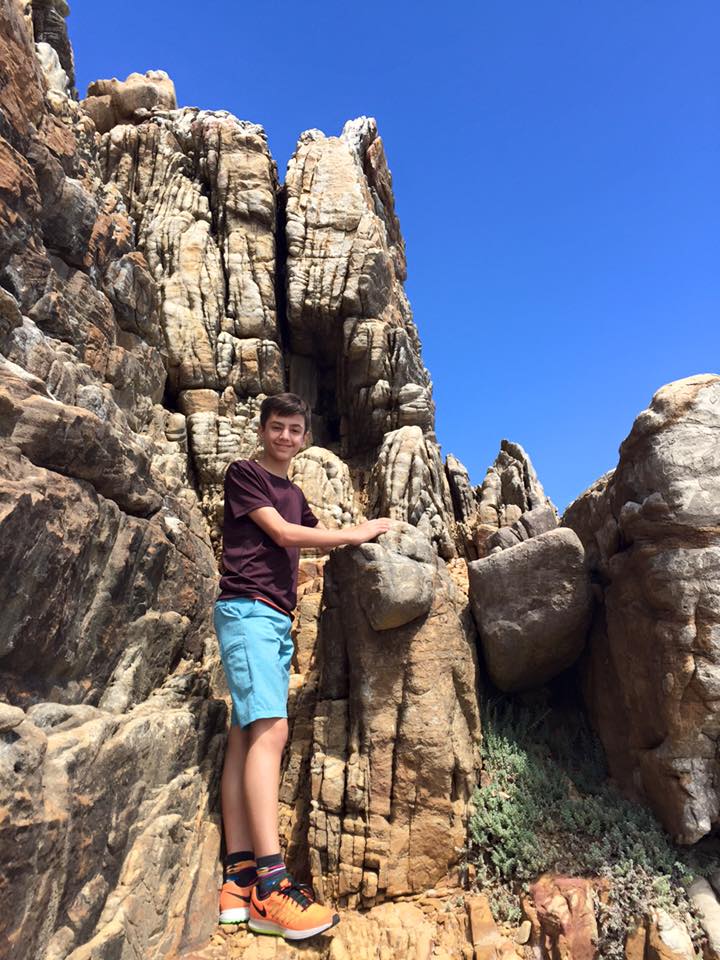
Cape of Good Hope, take two. It earns the repeat.
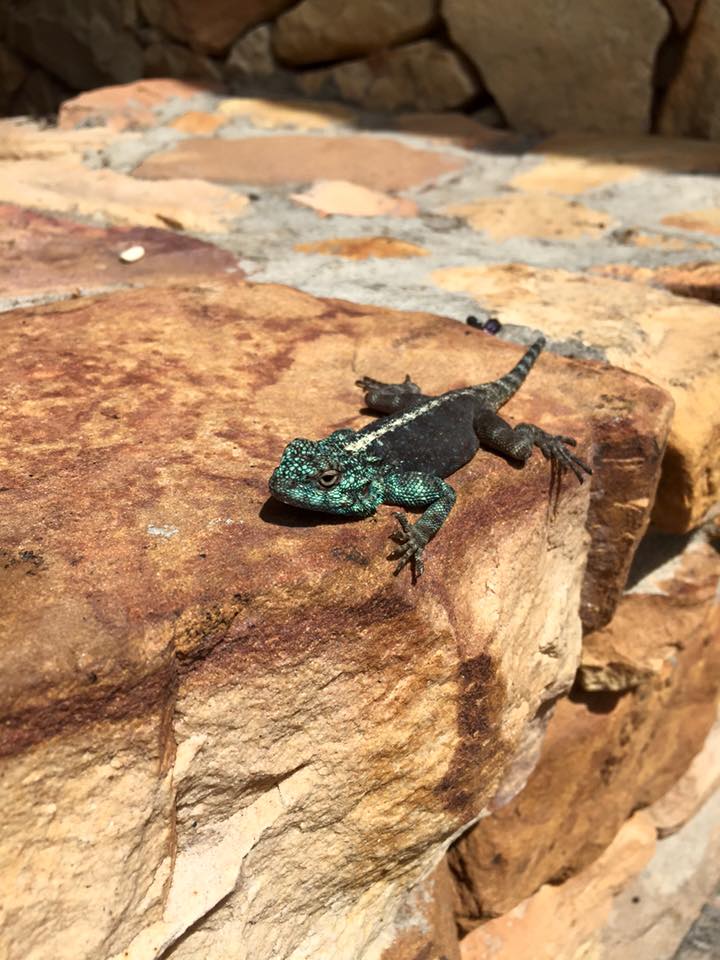
Lunchtime companion. Fortunately not a big eater…
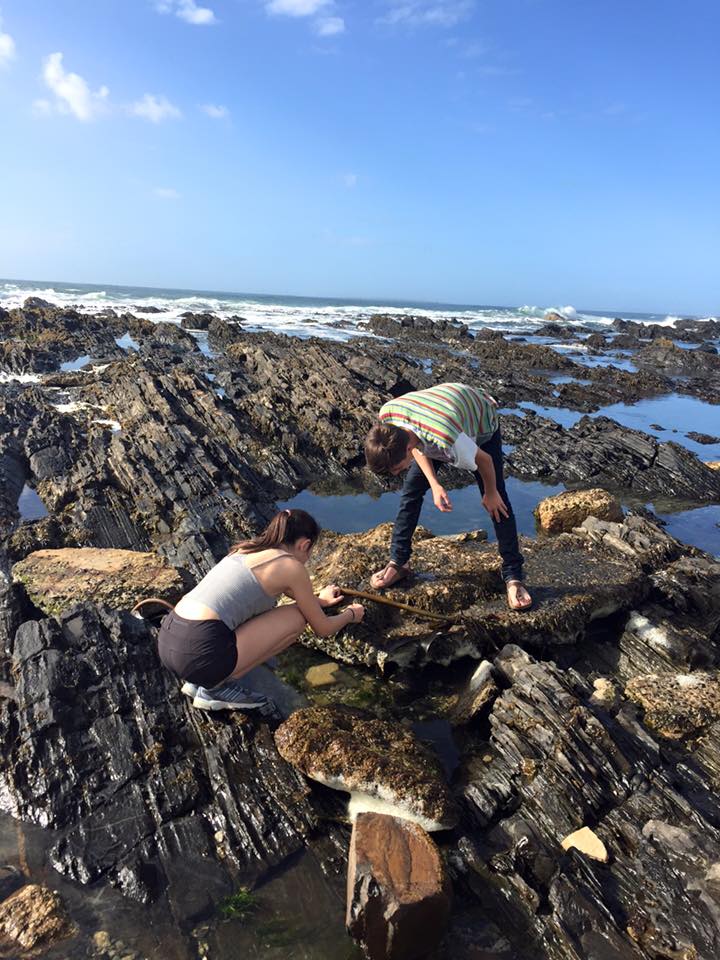
Beach combing in Sea Point on our last afternoon.
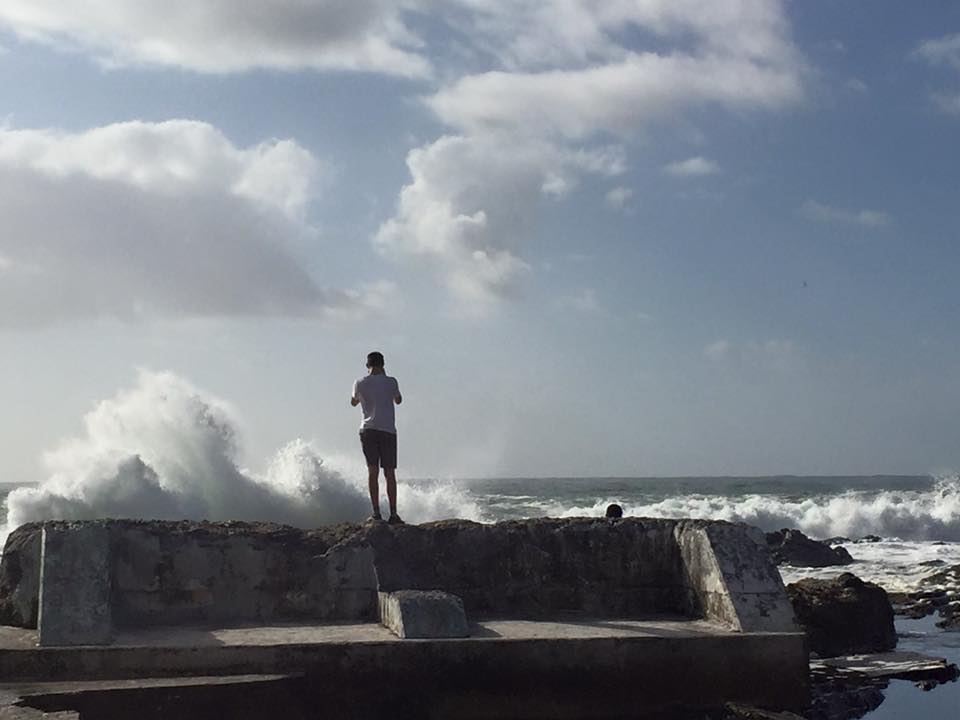
Will he get wet? Yes. Yes he will.