April, 2026
Colonial Cusco
We arrived in Cusco to spend a few days to acclimatize to a higher altitude before heading out on a seven-day hiking and culture trip in the Sacred Valley. Such a lovely town and so hard to follow the acclimatization rules of taking it easy…there’s too much to explore!
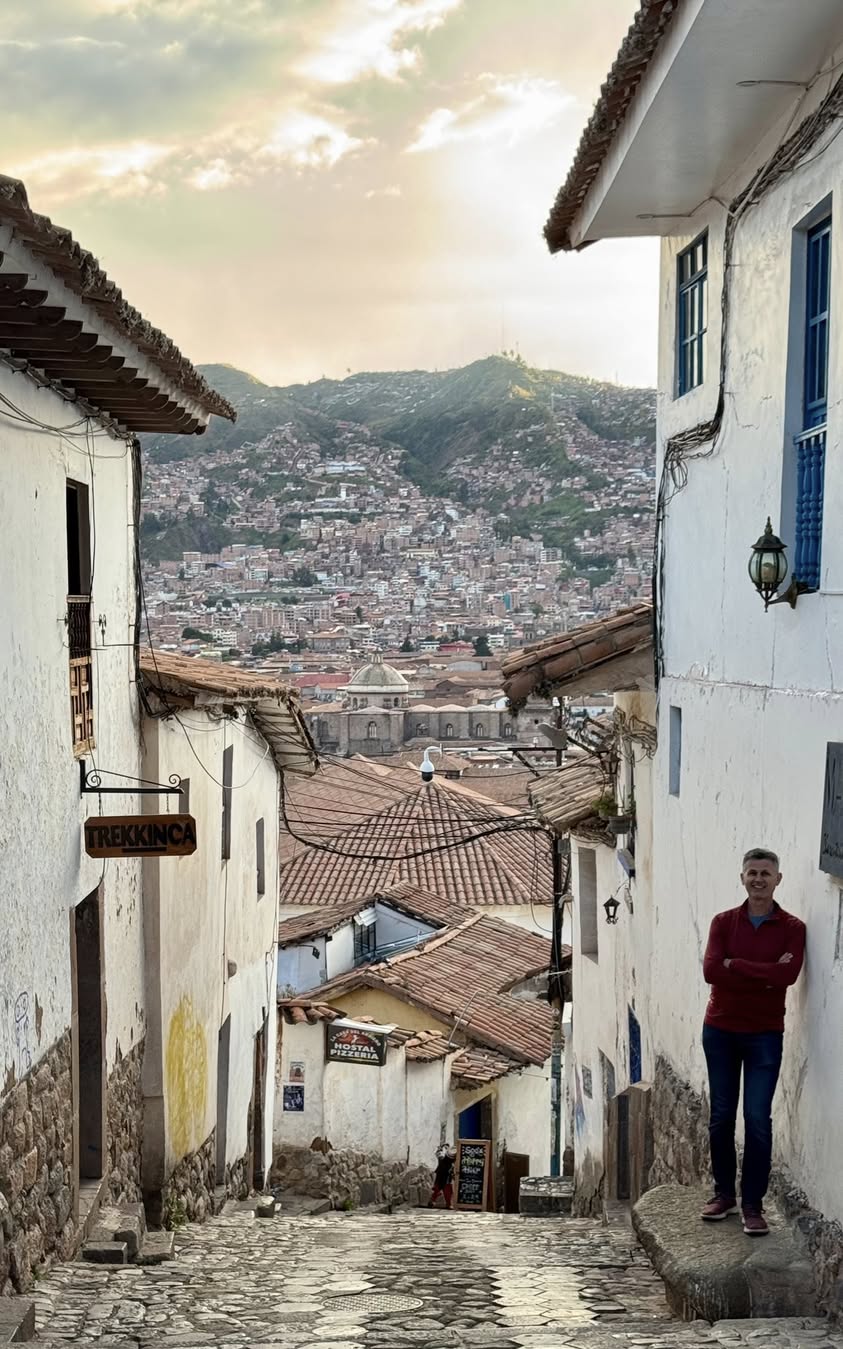
Of course we decided to explore rather than take it easy and get used to 3,400m elevation. So we gained a bit more elevation by climbing up to the San Blas neighbourhood. In Inca times, it was home to craftspeople like stone and metal workers and artisans who did the bidding of the Inca elite. After the Spanish conquest, it became a parish for the indigenous people as part of their reorganization of the city along social and ethnic lines. Nowadays, it has circled back to being the artisan hub of the city.
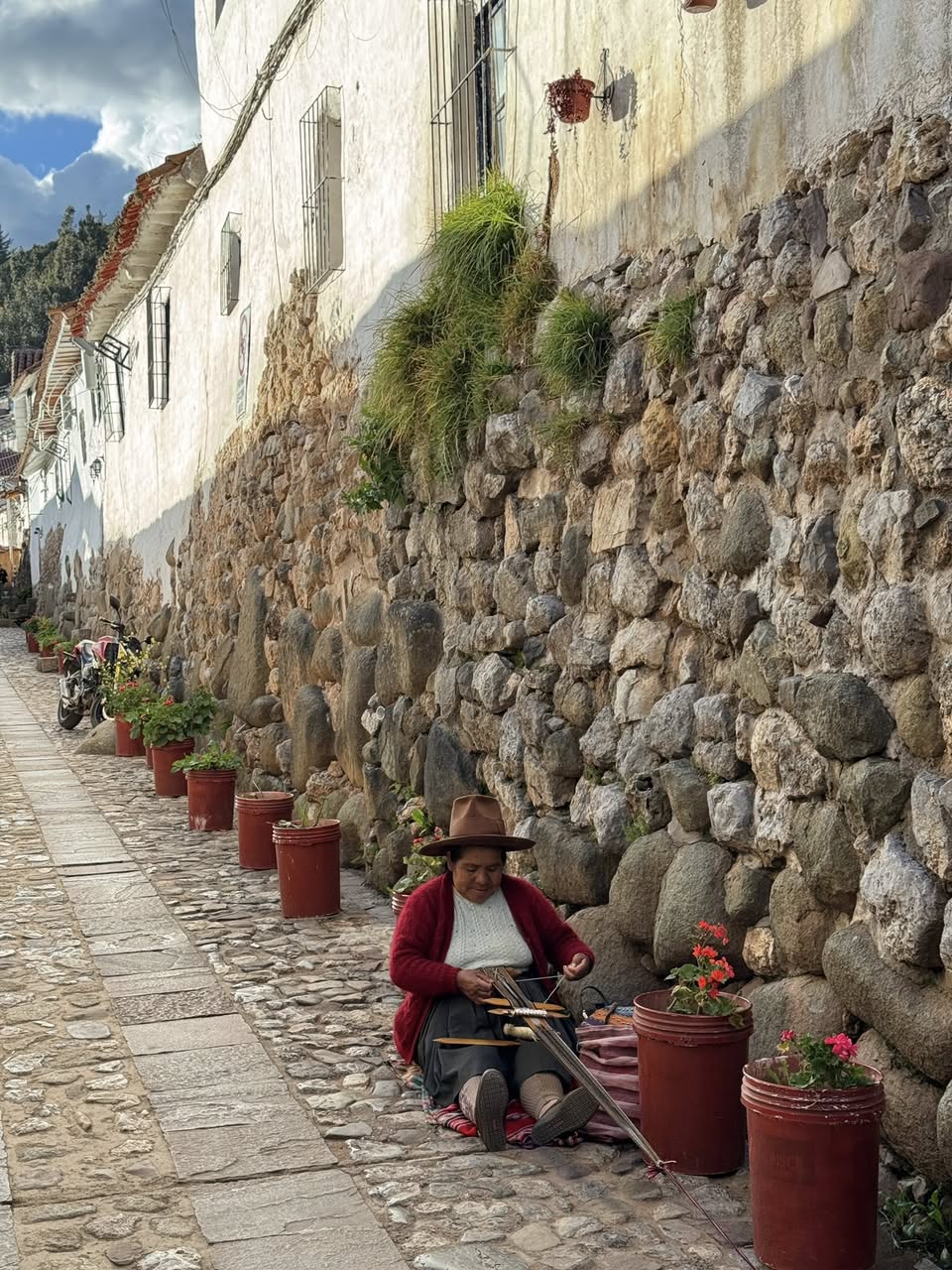
It’s a pretty neighbourhood with narrow, cobbled streets. The original Inca stone remains as the foundation of many of the buildings and is the perfect backdrop for today’s artisan vendors to ply their wares. The stone wall beside this weaver would have been built for the residential area that it was. The stones fit well together but they lack the precise workmanship of the walls built for the elite or sacred structures (we’ll get to that shortly). The Inca were master builders and built their structures to last, which they did!
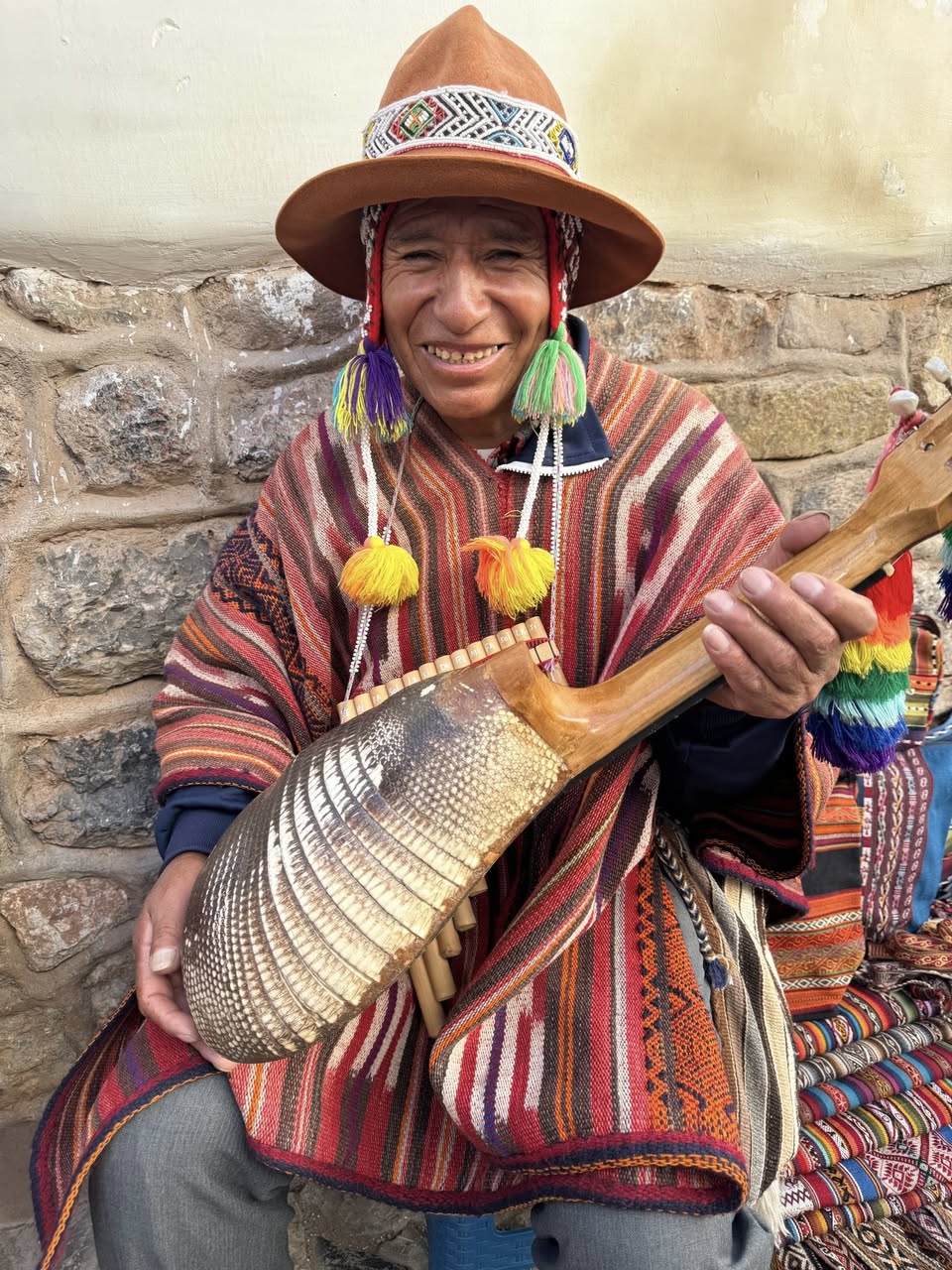
This fellow was playing his armadillo-backed guitar across the narrow street from the weaver.
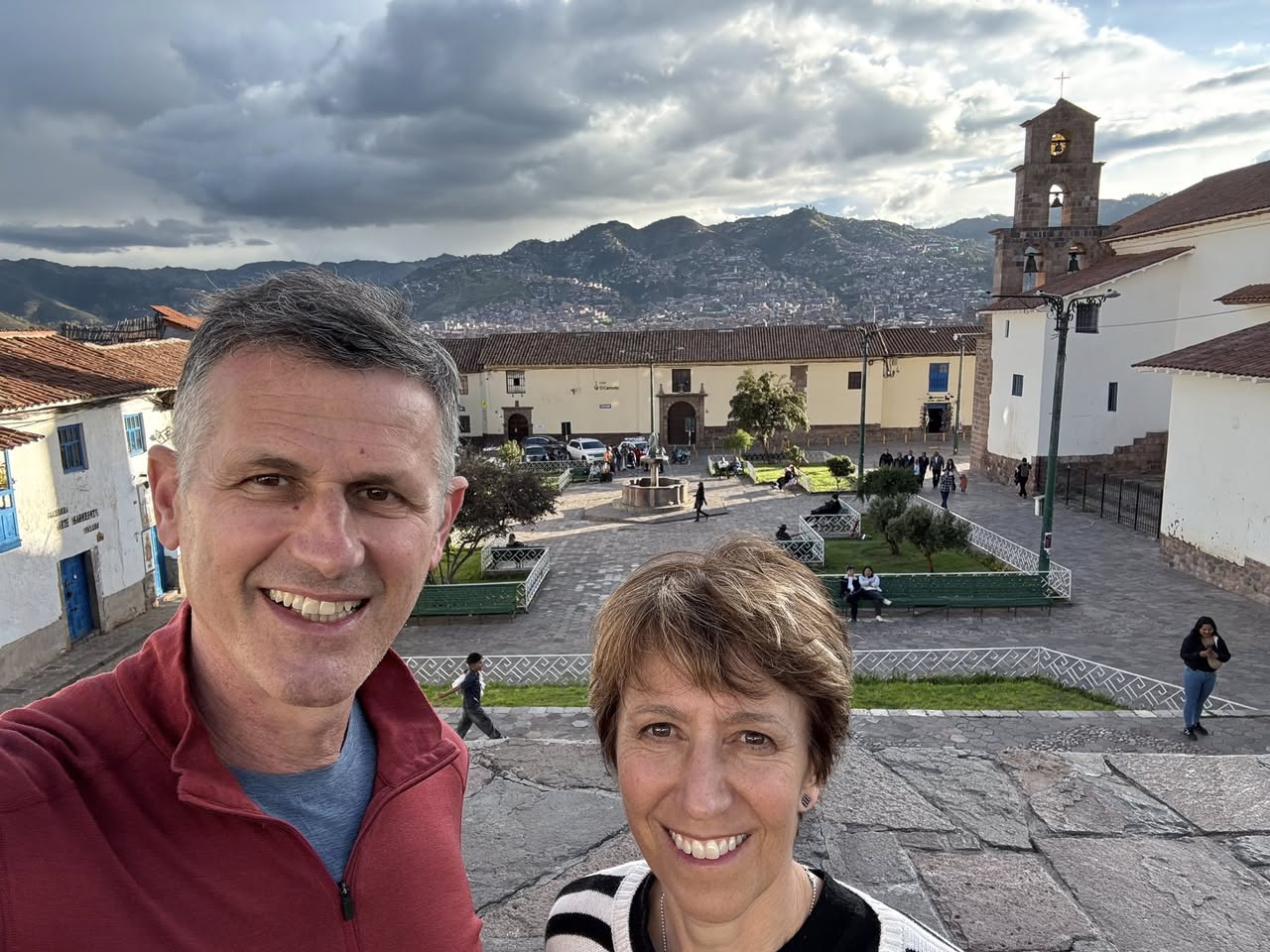
This is the square in San Blas, dominated by the colonial church. The Spanish built many of their structures on top of Inca structures and you can see the original Inca wall is the foundation of the church.
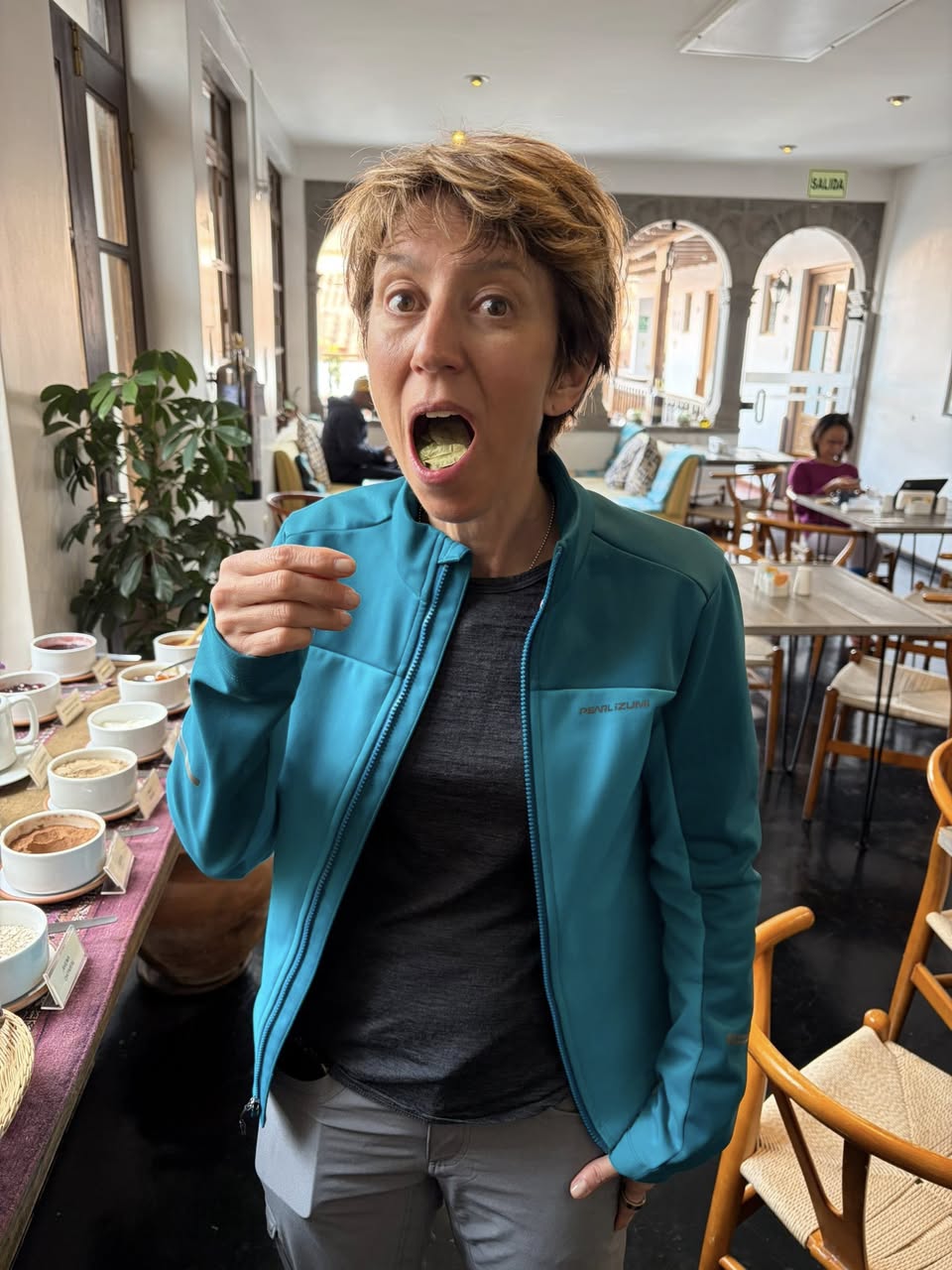
All that exploring on day one in Cusco (coupled with the side effects from the altitude meds) got the better of me. I dropped the meds and gave the local prescription a try…chewing coca leaves would have a stronger effect than just drinking coca leaf tea. This didn’t help either and I barely made it through half the day before succumbing to my bed with altitude sickness. That slowed me down but I did manage to drag myself out the next day to continue exploring and did my best to follow the rules!
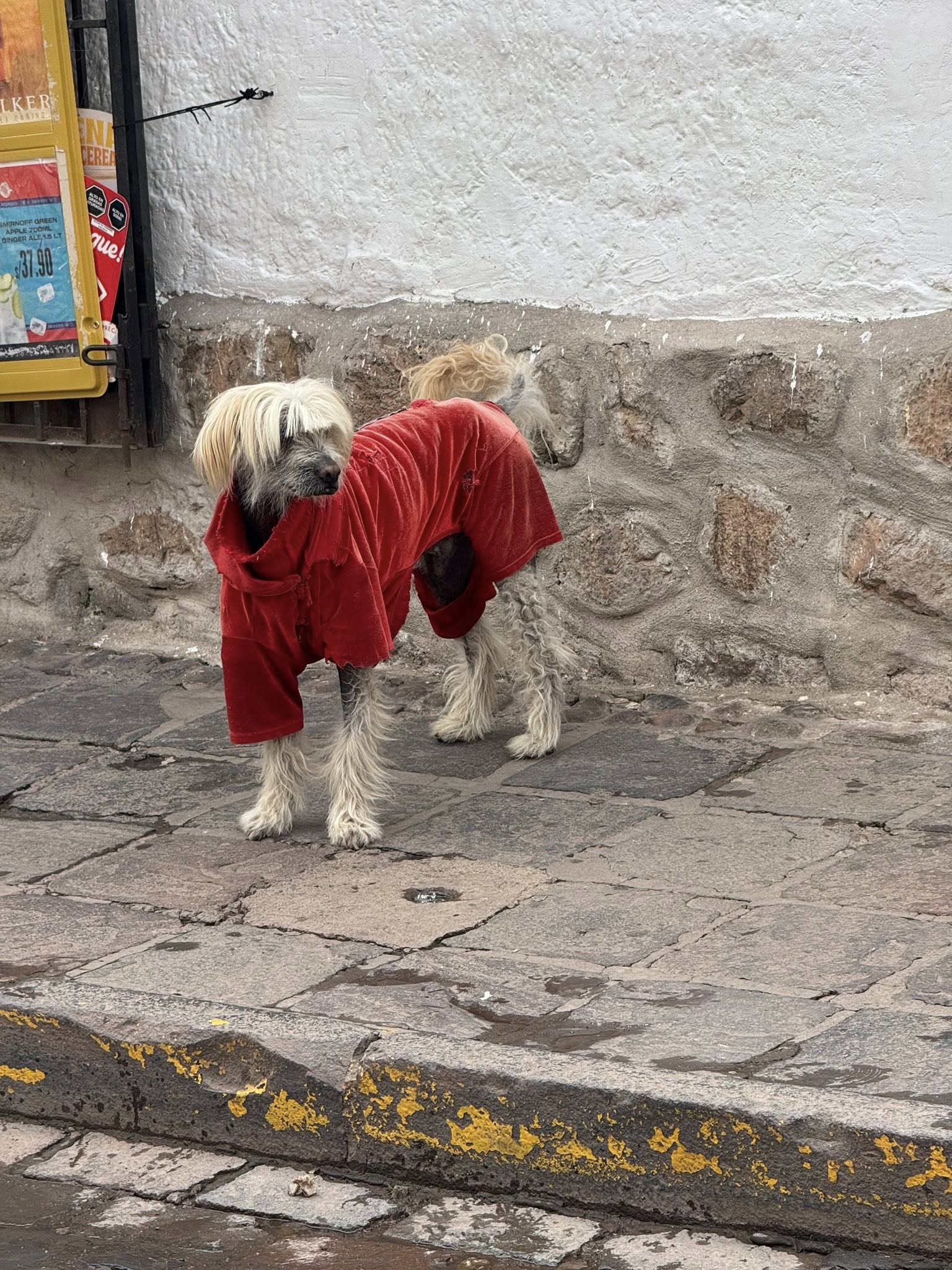
This dog seemed to have permanent residency outside our hotel. I’m not sure what was up with the shirt, but a lot of the dogs seem to be wearing them here. Dogs are everywhere in the streets and nobody seems to mind. Turns out they are quite revered in Inca culture as guides for the dead to the next life. As a dead person, you better have treated dogs well when you were a living person because, on your way to the afterlife, your soul will travel through El Pueblo de Los Perros (Town of Dogs), where sacrificed dogs make the decision to help you or not. The dogs have the power in this town!
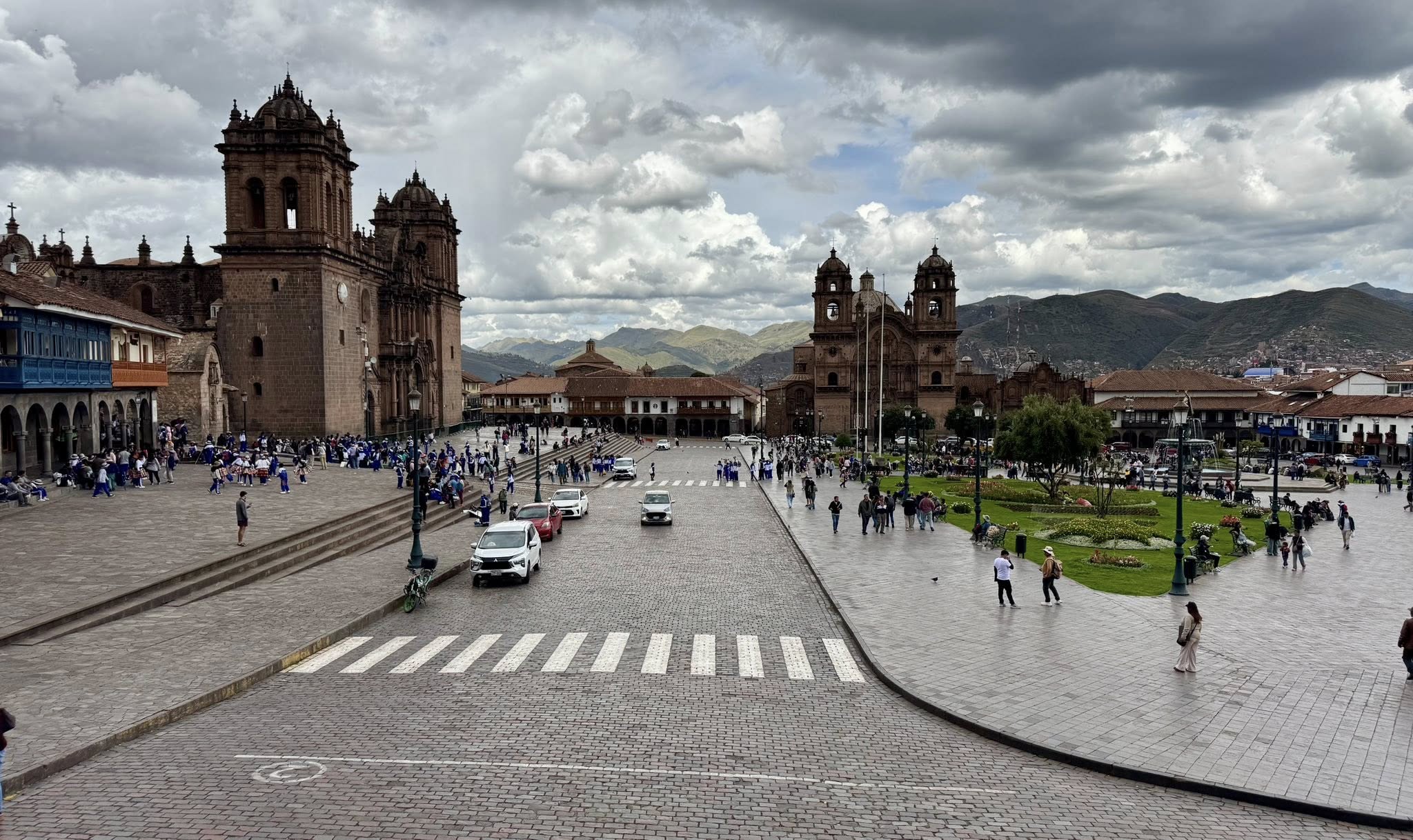
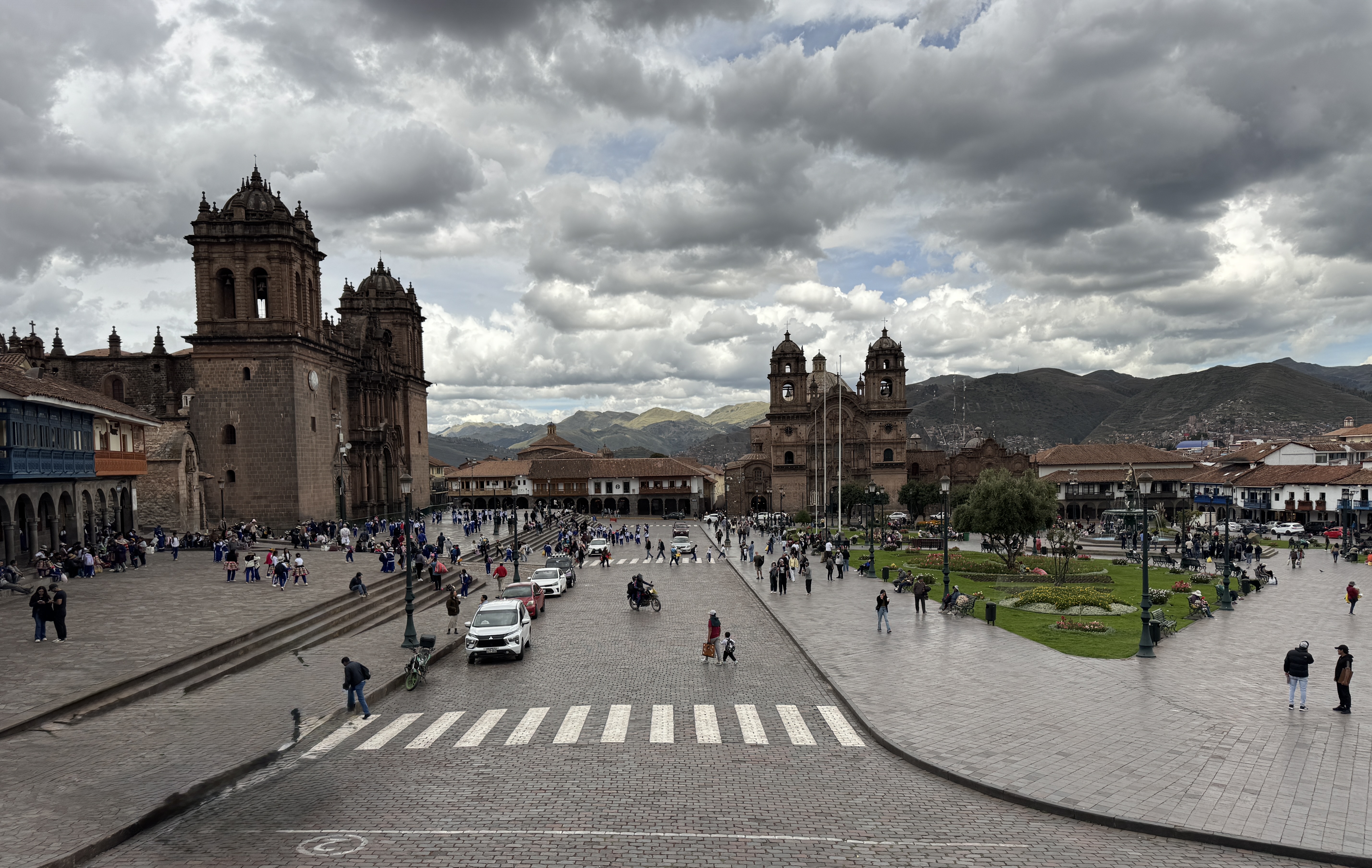
Plaza de Armas, the main square in Cusco, was the capital of the Inca empire. This plaza was the centre of Inca power and became the centre of Spanish power when Pizarro conquered Cusco in 1533. Although he realized this was not the best place for his capital as it was remote and hard to reach, he still transformed it into a colonial stronghold. He built arcades and colonial buildings and put the cathedral on the left right on top of an Inca palace. Straight ahead is the Jesuit church, another big colonial statement of power.
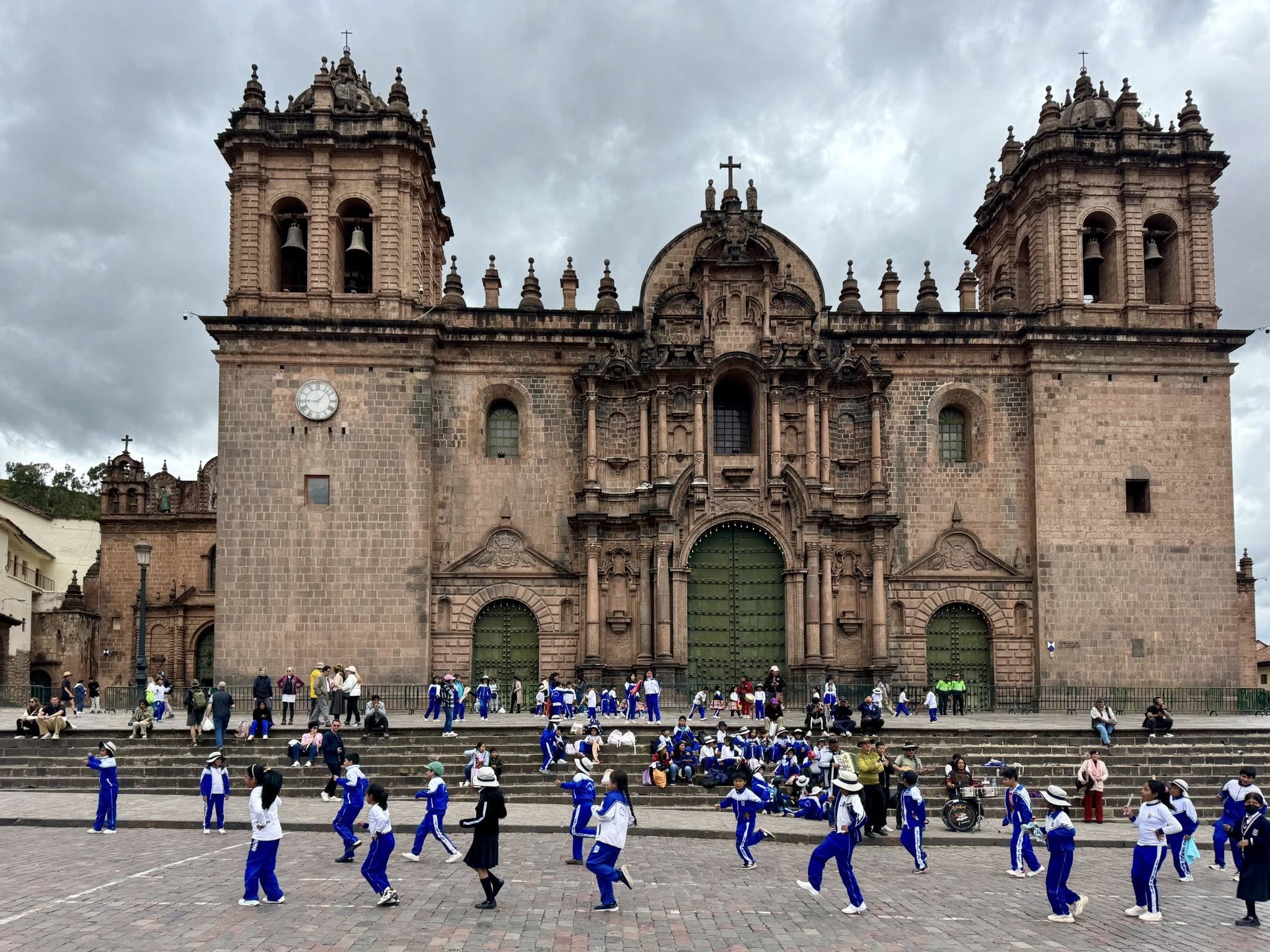
Every day we were in Cusco, school groups of different ages, from kindergarteners to high schoolers, were practicing dances in front of the cathedral in preparation for the Corpus Christi festival. This spot is the main stage of the city so the students practice here. But what is interesting is that this is a perfect place to dig deep into the blending of Inca and Catholic traditions; Corpus Christi is both a Spanish Catholic and Andean event. Echoing the Inca practice of bringing sacred objects into the central square, Catholic saints are paraded from different neighborhoods into the plaza, and dance is a key part of this expression.
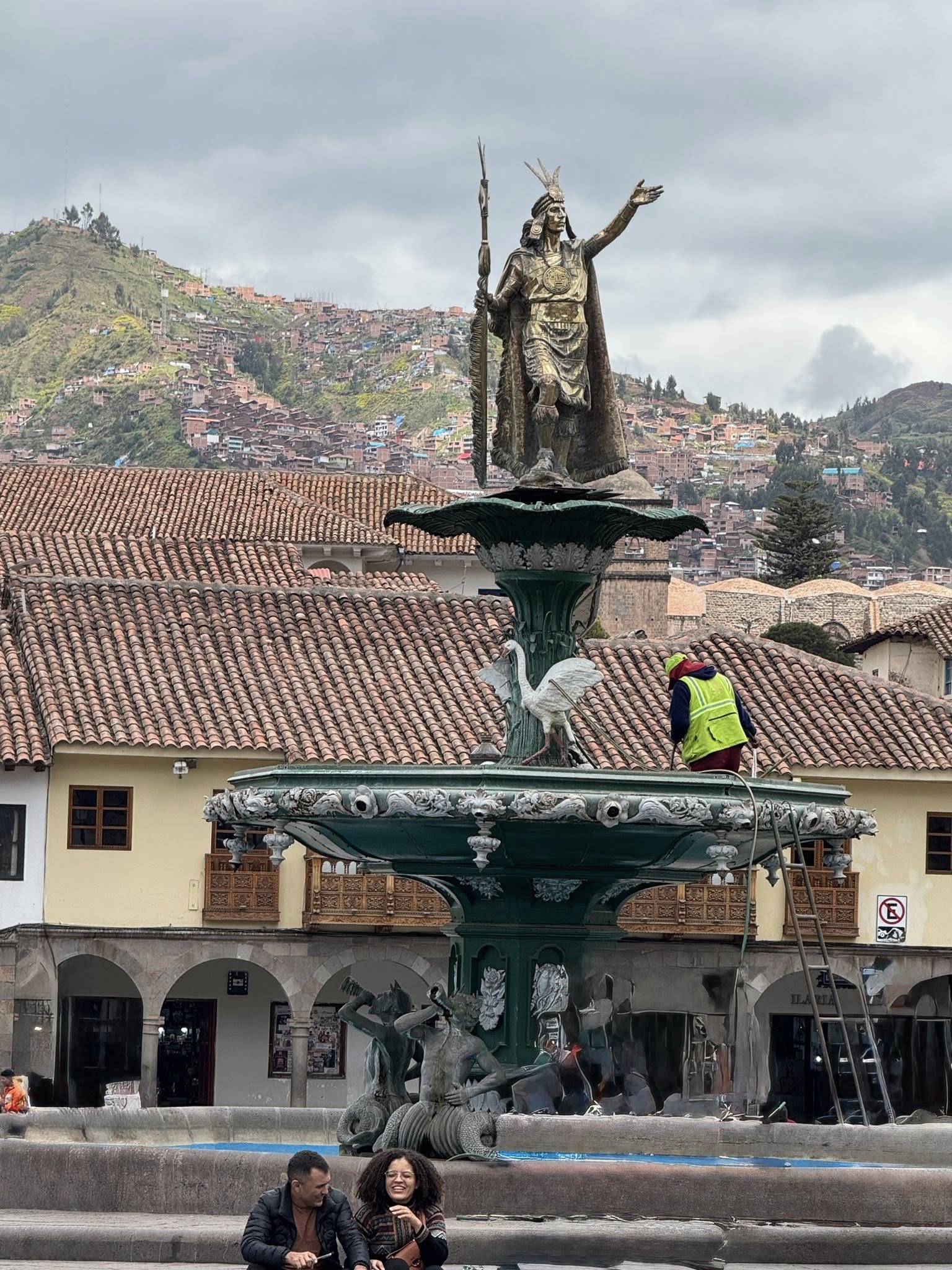
I always wondered if cities ever cleaned their fountains…they do! The water was off for the day and this guy in a safety vest climbed up to take care of the dirty business of this storied fountain which sits in the middle of the Plaza de Armas. The fountain sits on the spot where the Inca ushnu, a pyramid-shaped platform that was used to watch ceremonial events and make offerings to the gods. Of course the Spanish destroyed it and put a fountain in its place, consistent with Spanish urban planning. Here’s where it gets fun. The current French-designed fountain (placed in 1872) was essentially a mail order fountain from an American catalog! Identical copies cast from the same mold exist in Savannah, Georgia, Poughkeepsie, New York and on Broadway. At some point, a statue of an “Apache” which had no connection to Andean culture, was placed on top. In 1969, some proud Cusqueños looking to restore the proper cultural identity, tore it down. The perpetrators were never charged due to a “lack of evidence”. In 2011, Cusco’s mayor finally completed the cultural circle and installed a statue of Manco Capac, the first Inca ruler.
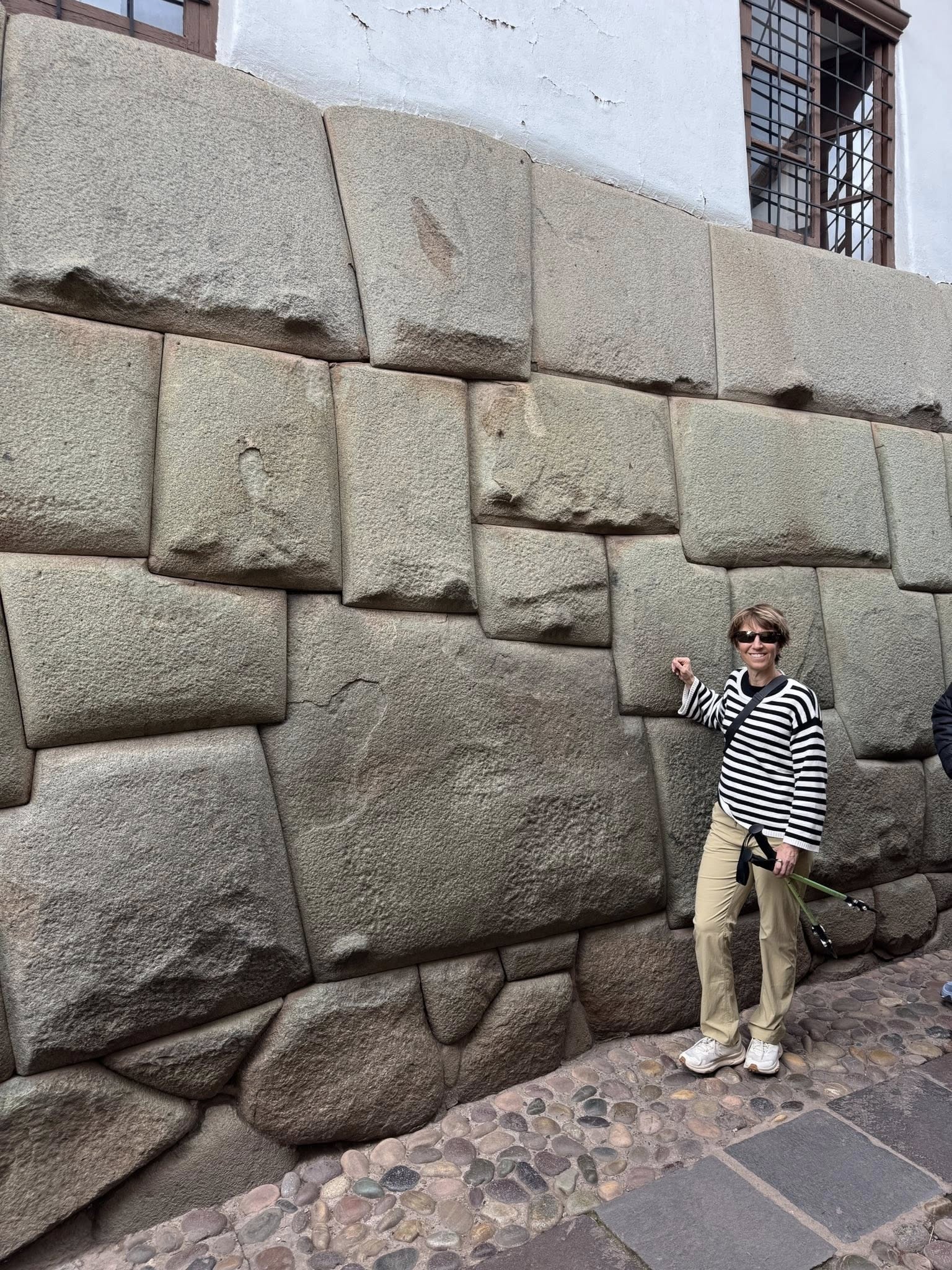
This is the Inca stone style that was built for the elite or sacred structures like temples and palaces. The stones are precisely shaped with flat faces and angular joints and fit together like Lego and puzzle pieces. There are no gaps and no mortar holds these huge stones together; geometry, friction and weight lock everything together. I’m standing beside the famous 12-angled stone. This technique prevents the stones from shifting in any direction and distributes the stress across multiple points. And this is why these walls are still standing despite several big earthquakes.
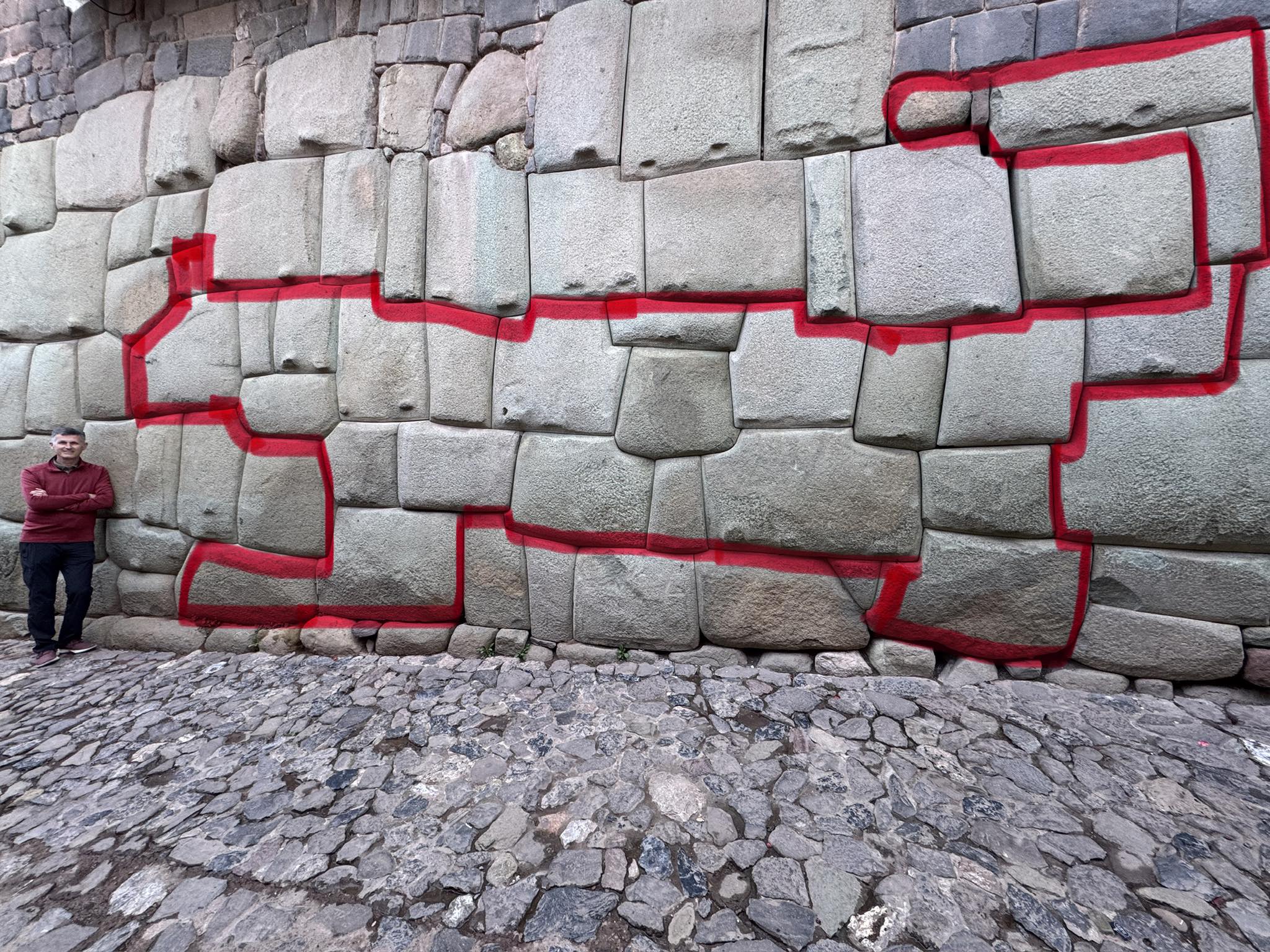
This “puma” is around the corner from the more famous 12-angled stone. My tracing looks only slightly better than the average kindergarten drawing but you’ll need to cut me some slack as I was drawing on my phone screen with my finger! The puma is one of the three important creatures in Inca culture; representing life on earth (the condor represents the gods in the heavens and the snake is for the dead in the underworld). The big question: did the Incas actually plan and place their precision-cut stones in the shape of this puma or is it a bit like cloud gazing and our brains pick out coincidental patterns?
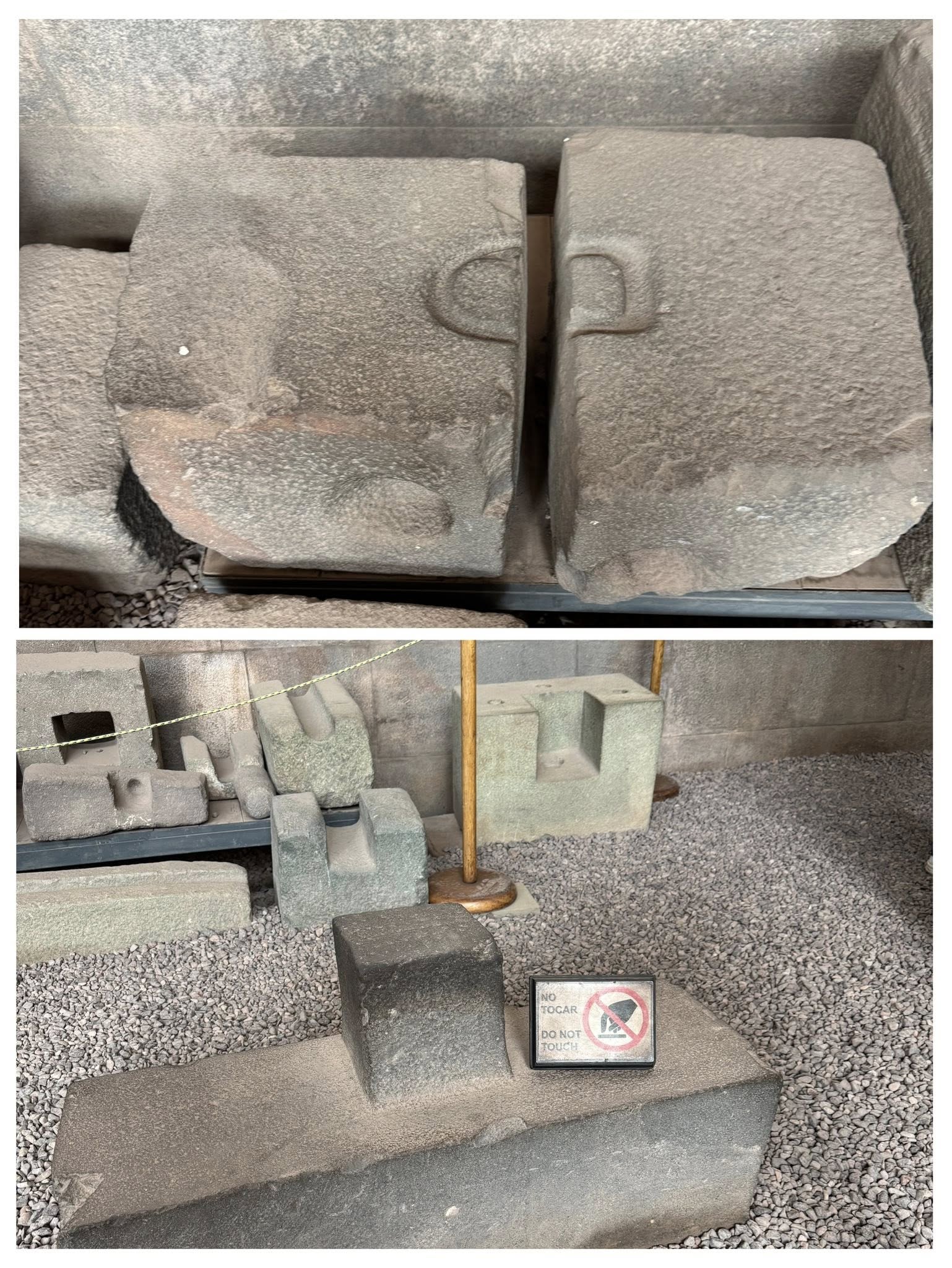
Some other secrets to no mortar required are some (not all) of the stones had tongue-and-groove joints or metal keys/clamps (aka cramps). The Inca carved a groove across the joint in adjacent stones and molten copper or bronze alloys were poured in. Once they hardened, they “tied” the stones together.
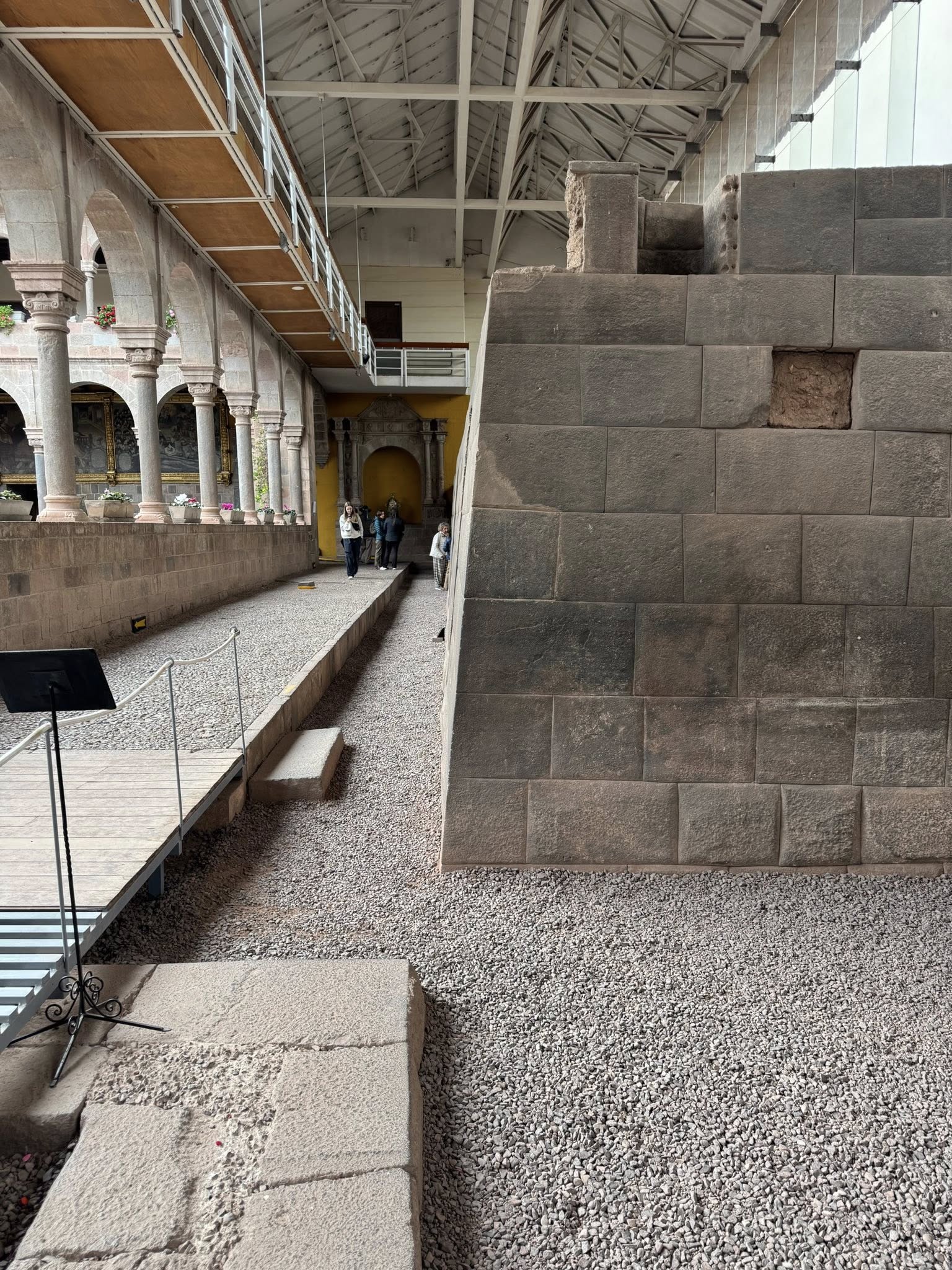
Another bit of Inca magic was building the walls tilting slightly inward from bottom to top. This kept the walls stable during earthquakes and uses gravity to reinforce the joints.
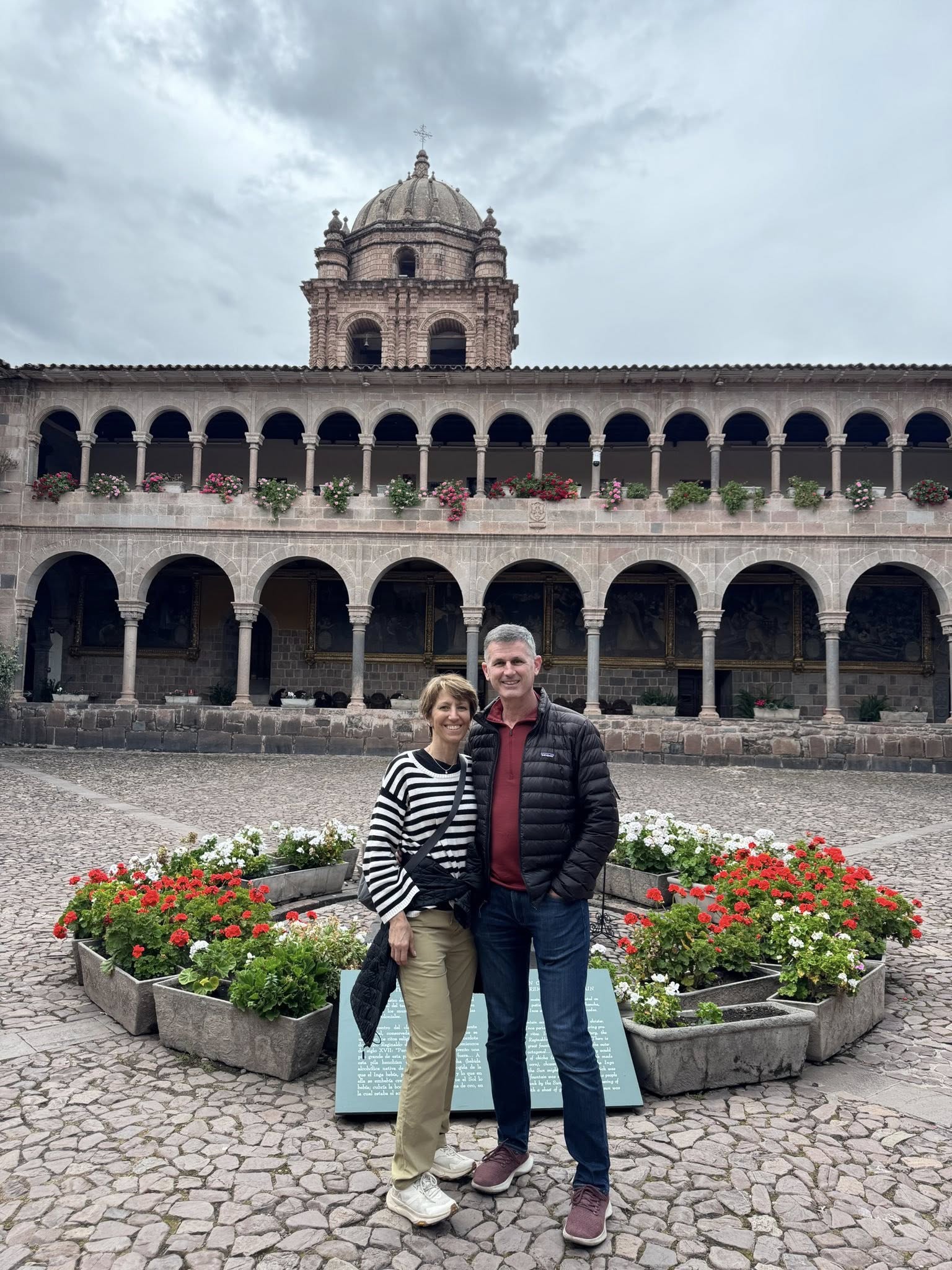
A testament to the effectiveness of all this Inca engineering is Coricancha, the most important temple in the Inca Empire. It was dedicated to Inti, the sun god but also had shrines to the moon, stars, thunder and other gods. It was reputed to be full of gold; walls lined with gold, golden animals and plants. Gold wasn’t “money” for the Inca, it was sacred. It was the sweat of the sun. When the Spanish arrived, they stripped out all the gold and built the Santo Domingo church on top of it. This was the Spanish way of asserting religious and political dominance and replacing Inca beliefs with Christianity. In the big earthquake of 1650, large parts of the colonial church collapsed but the Inca foundations remained. And then in the big quake of 1950, yet more of the colonial structure fell apart exposing the solid Inca foundations at a time when people actually cared. The earthquake led to a renewed appreciation of Inca engineering and archaeologists and historians began studying and preserving these structures more seriously. We are standing in the church courtyard which was rebuilt in the 1950s.
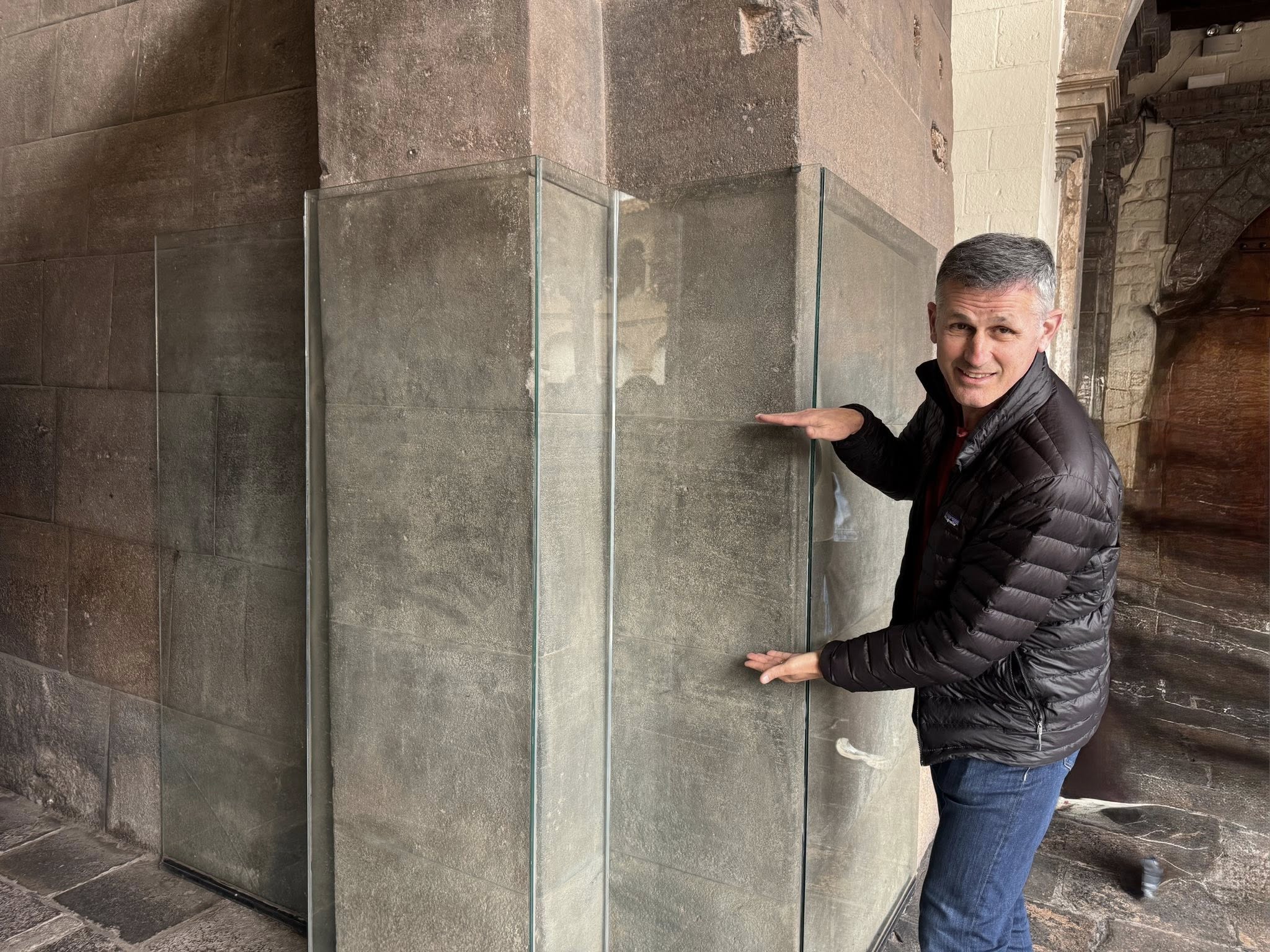
This double-jamb doorway has a very special stone that wraps around the doorway with six faces and five smooth corners. Super complex, super labour intensive and super important to structural integrity, this stone is a demonstration of mastery and is here because Coricancha is the most sacred and prestigious building in the Inca world.
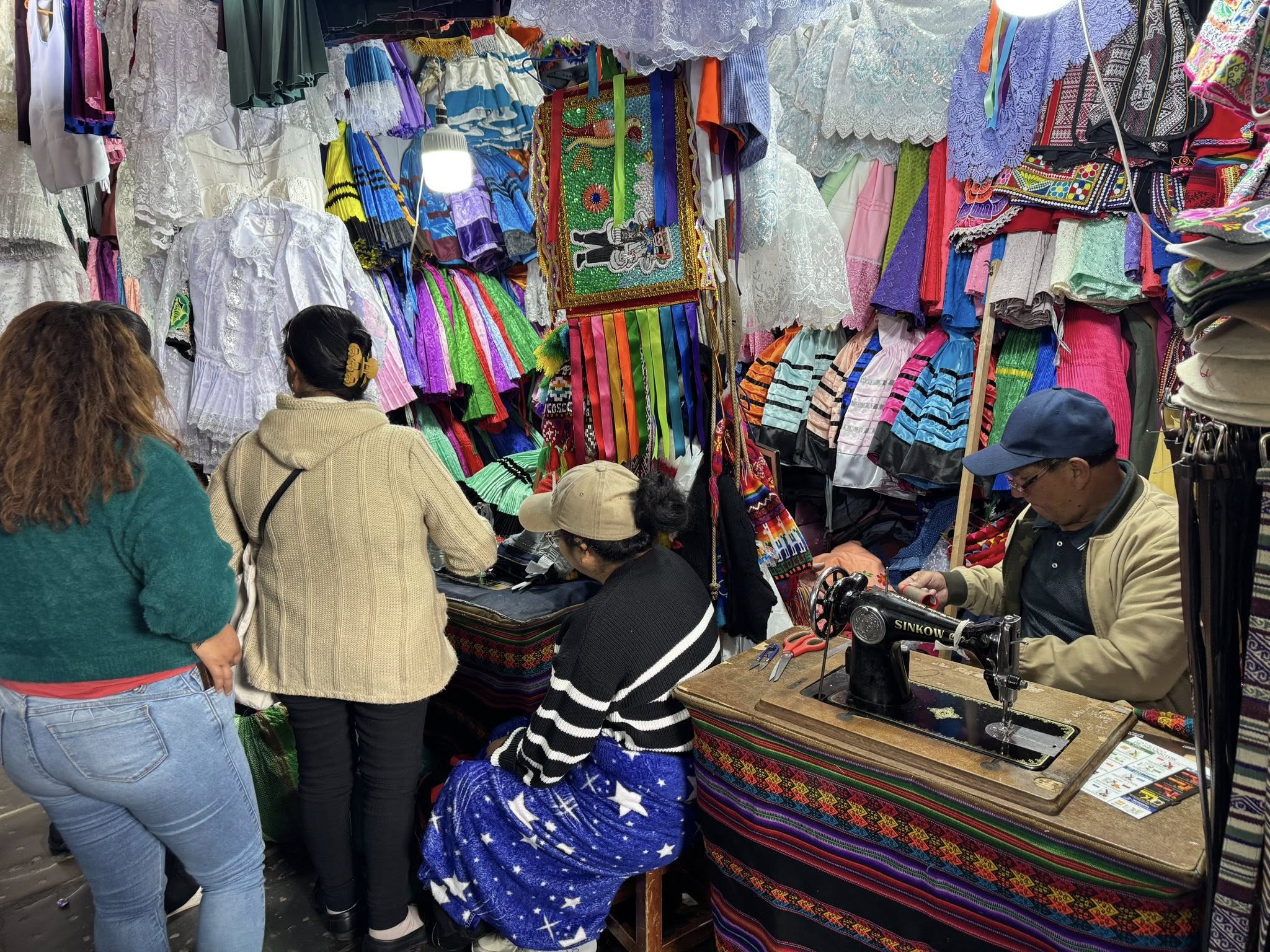
A trip to San Pedro market in Cusco is a sight to behold. The colours, the smells (I avoided the raw meat aisles as I wasn’t feeling my best and didn’t need any triggers), the everything! Here is a stall selling clothing with two old pedal sewing machines at the ready to make alterations on the spot. Women were standing in the aisle trying skirts and dresses on over their clothes and then handing them to the tailors to fix them up.
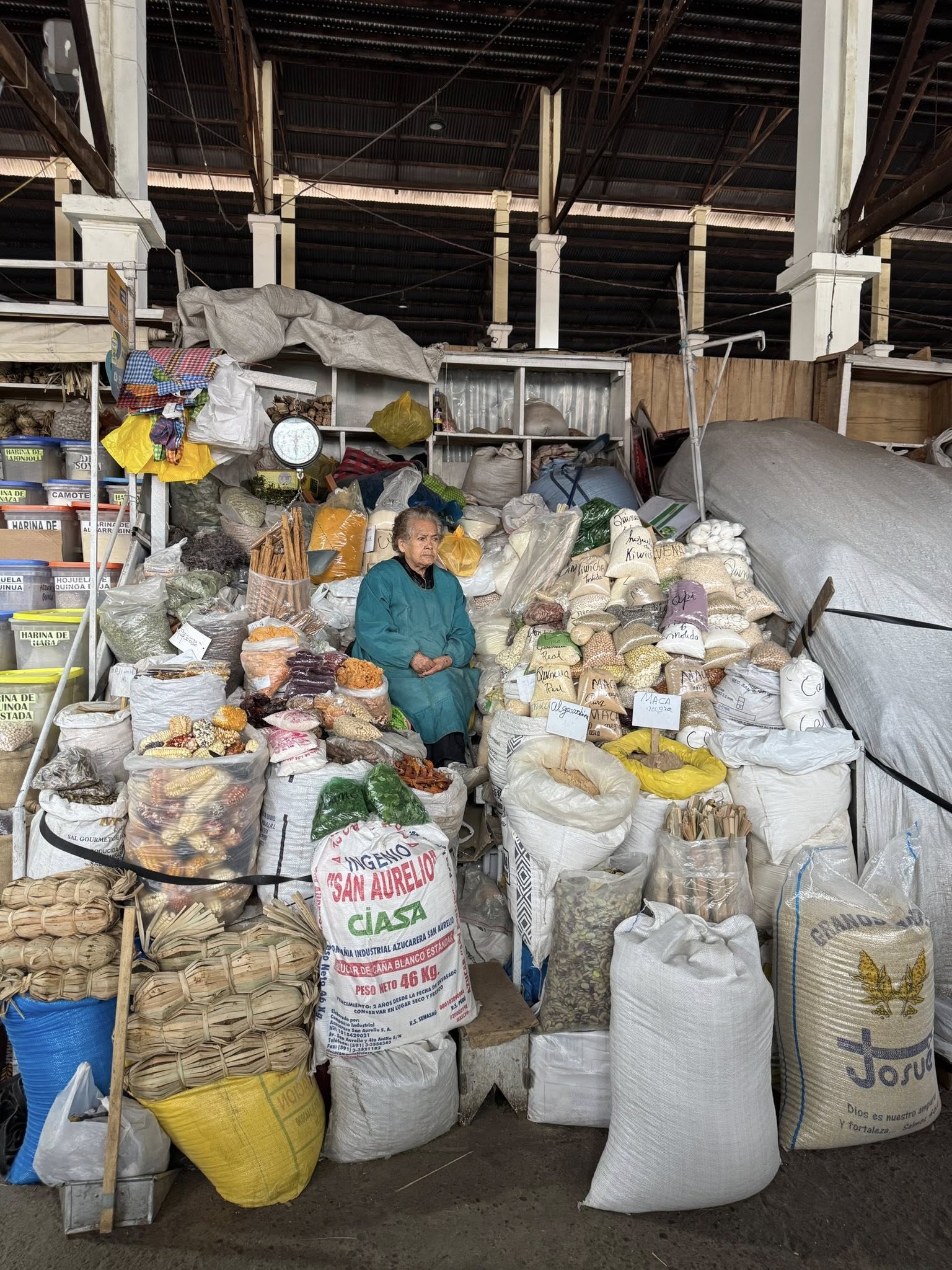
Sitting on her throne of grains and powders.
Peru has 3,000–4,000 native varieties of potato, the largest diversity anywhere in the world. Most of these are found right here in the Andes, especially around regions like Cusco, the Sacred Valley where the extreme geography creates different altitudes, microclimates and soils.
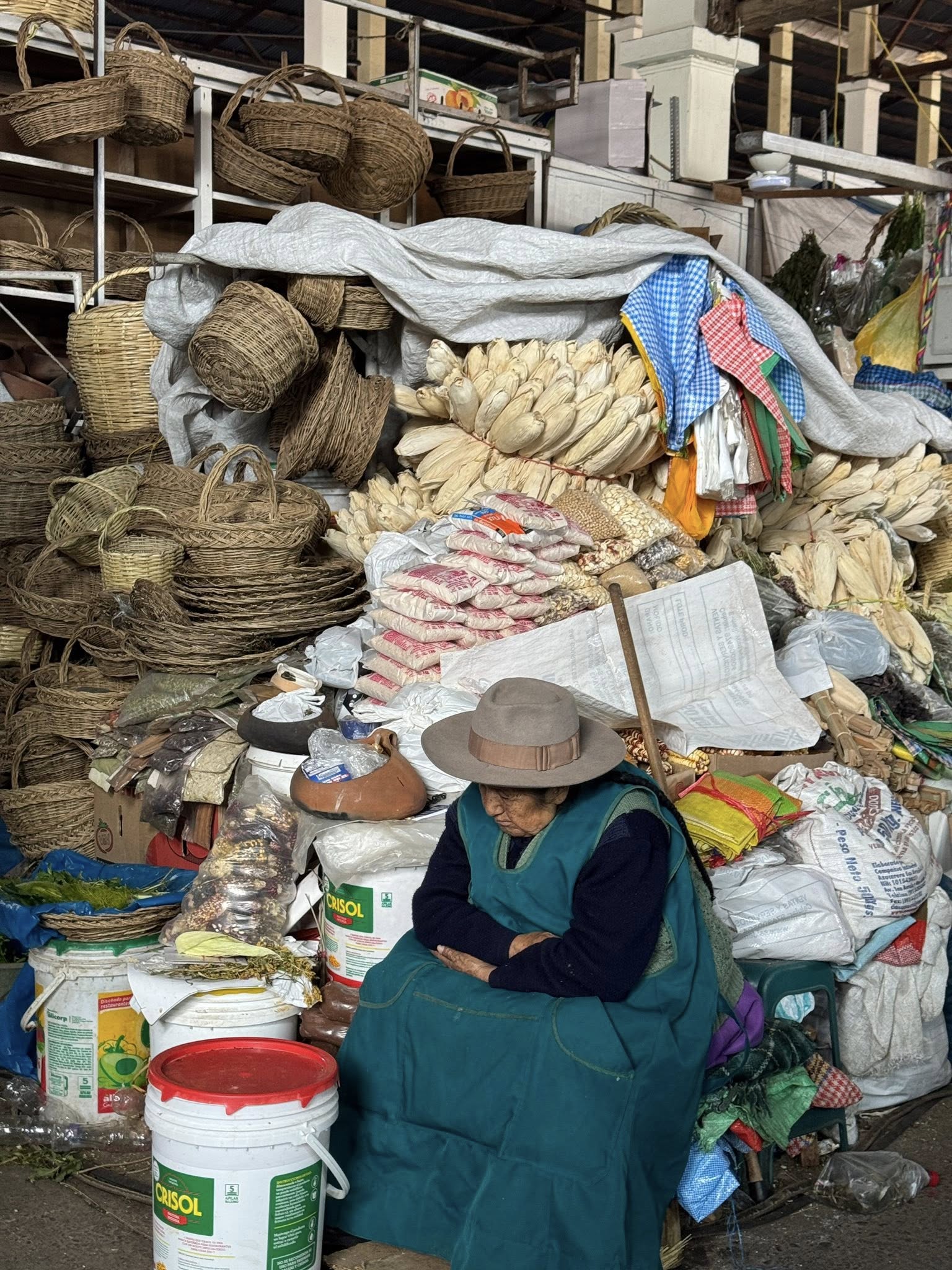
Falling asleep at the basket cum corn stall.
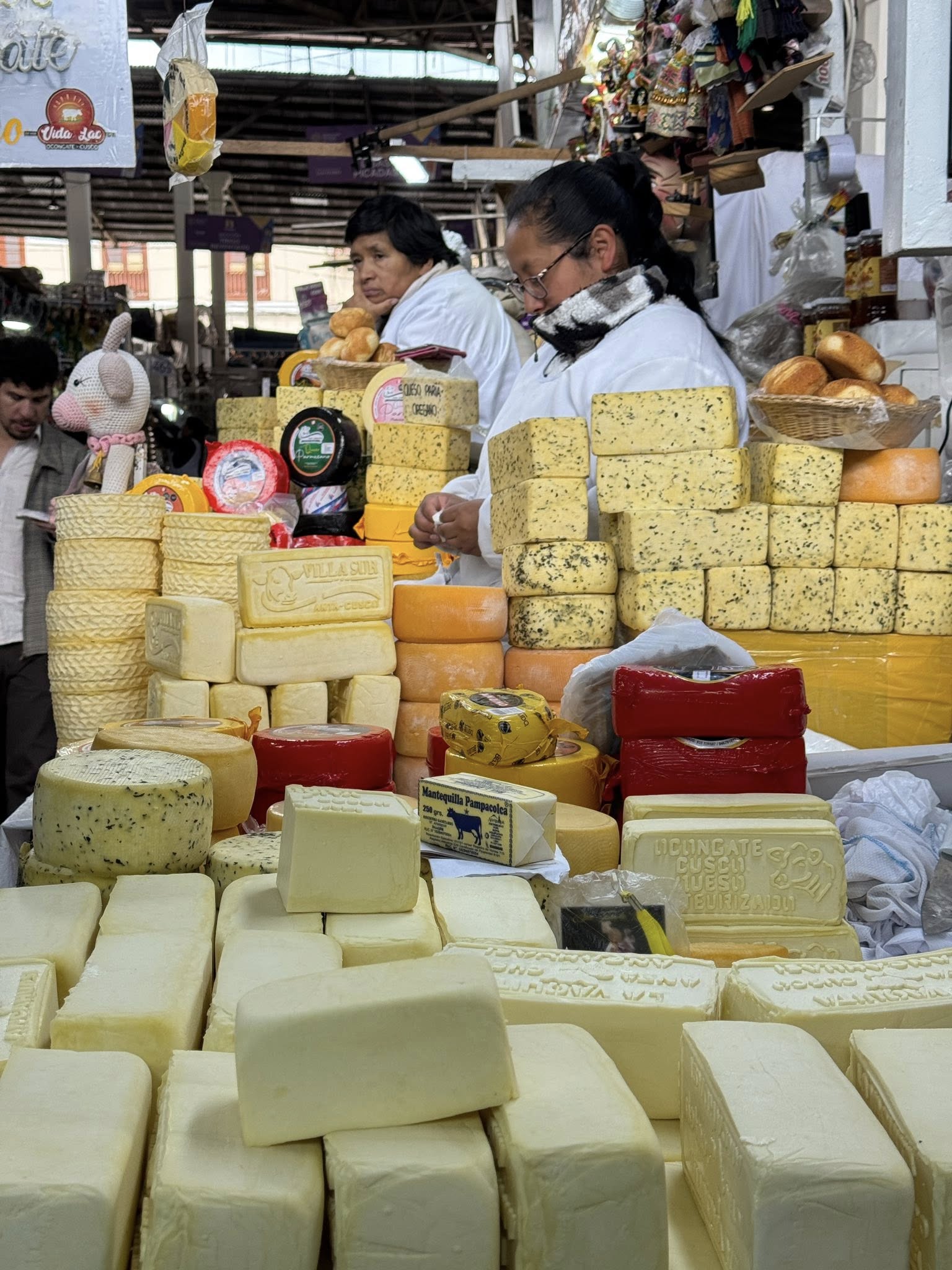
Local cheese, some of which is stamped with the producer’s name on the brick.
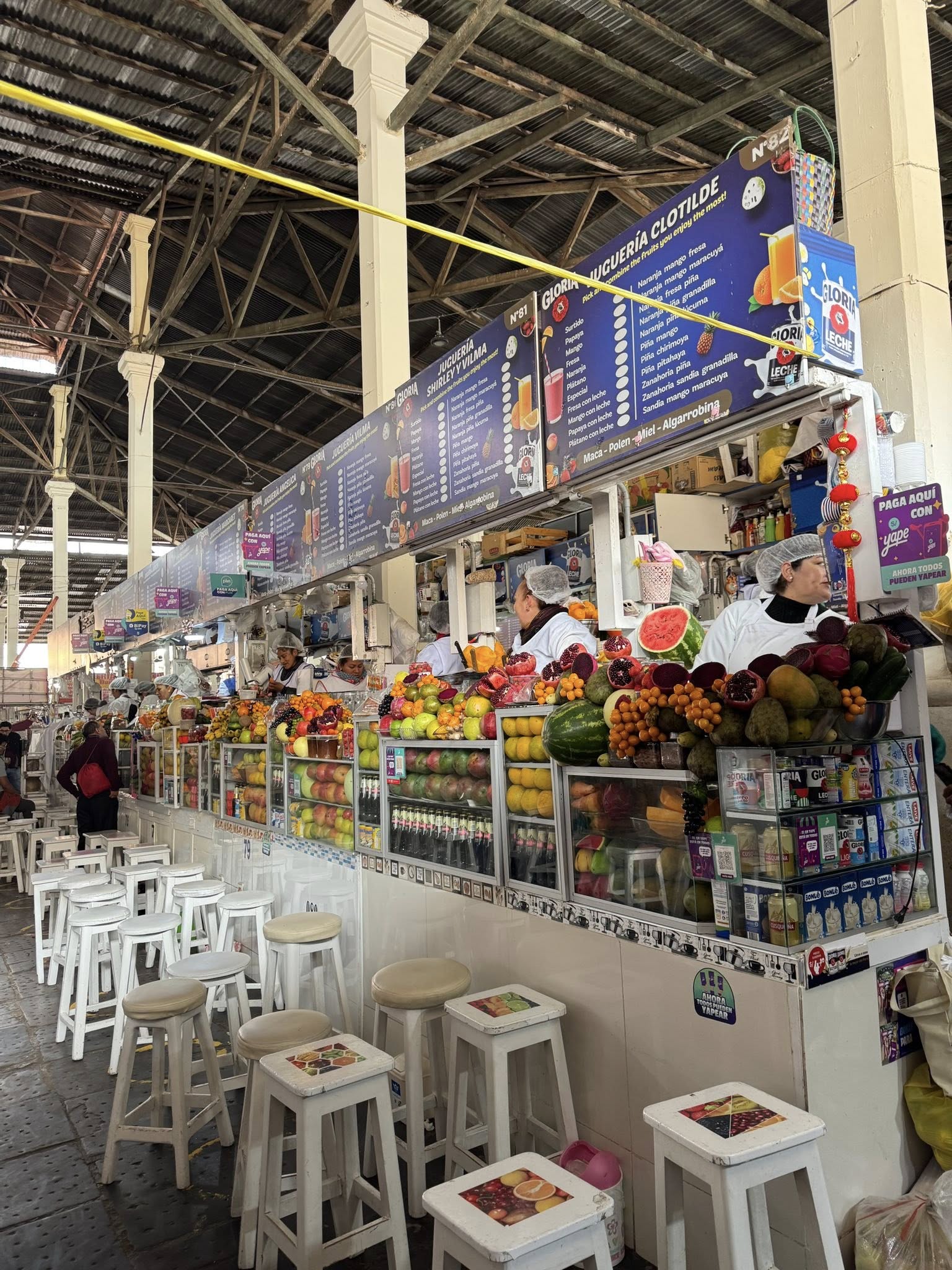
There were three juice aisles!
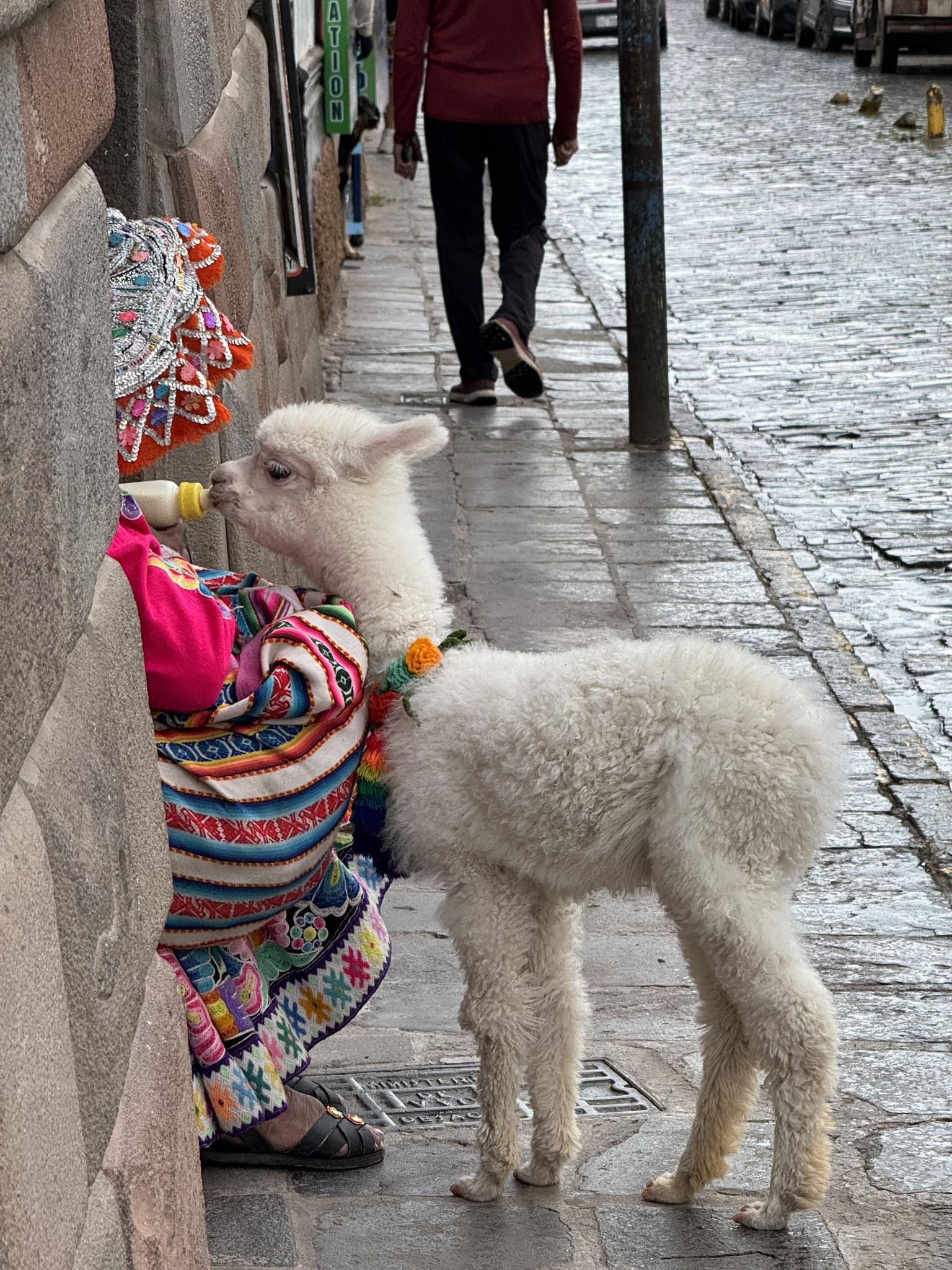
After a busy day busking for photos with the baby alpaca, the baby gets his treat.