April, 2026
Amazon
Our last leg of our Peruvian adventure took us to the Amazon. We were surrounded by a whole new set of sights and sounds in a completely natural world. It was amazing to witness chemical-free life in the jungle...that is until our departure!
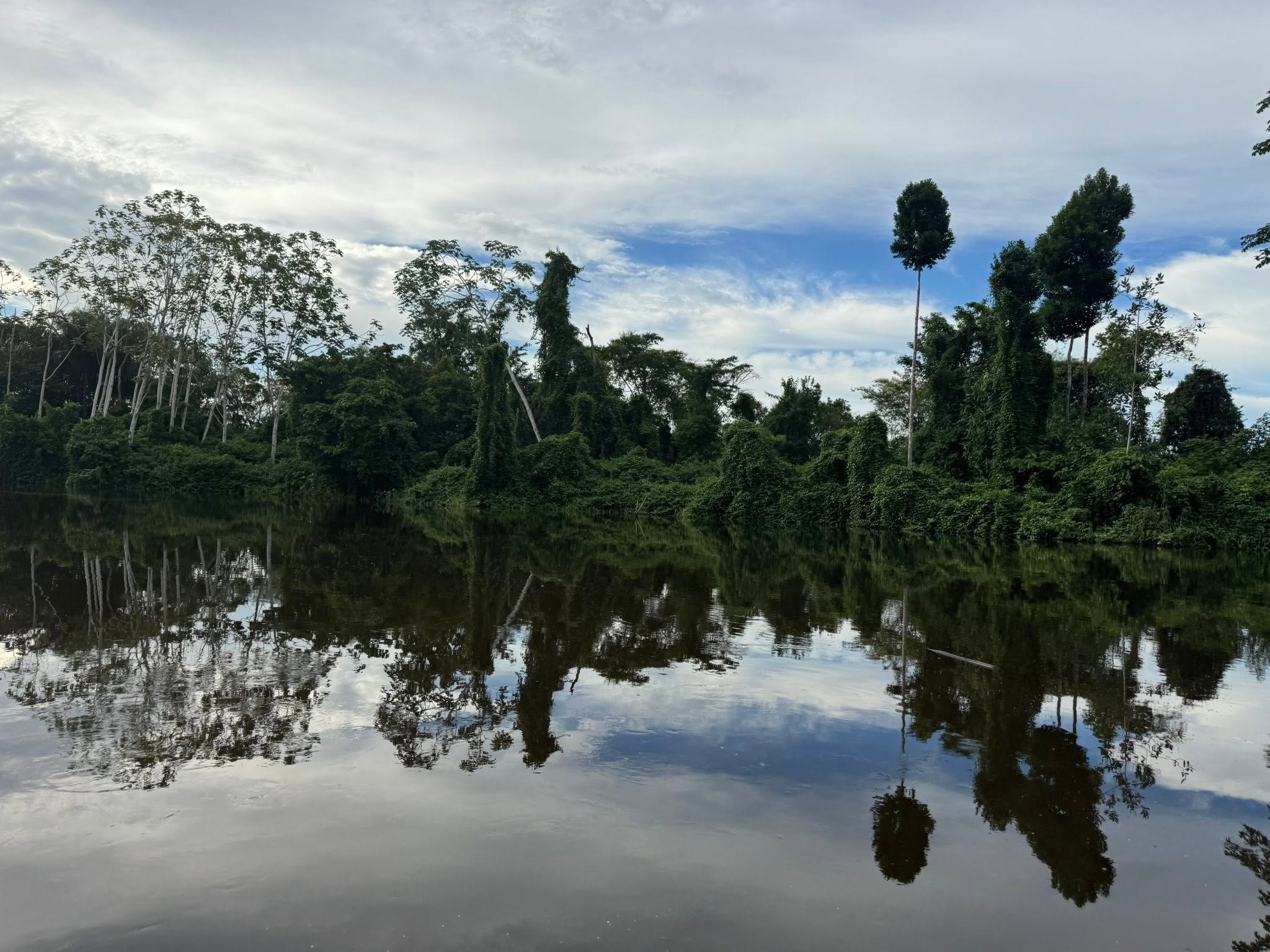
We left Iquitos for a 3-hour boat trip starting on the Itaya River, then along the Amazon River to join up with the Tahuayo River where our lodge is perched on stilts. Unlike Gilligan's Island, we made it safely to destination!
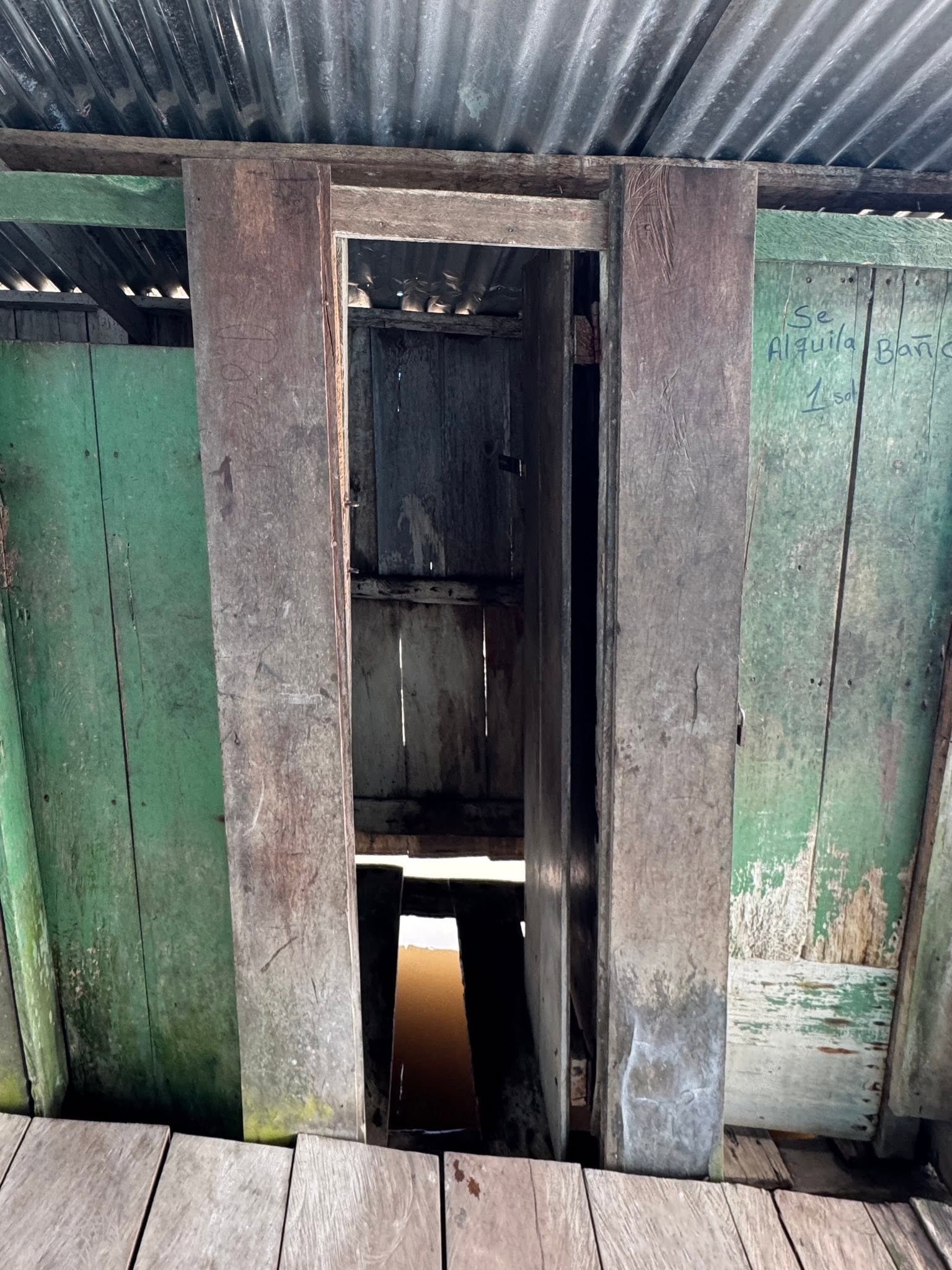
Any 3-hour boat trip needs to have a bathroom break on the way. And here is the baño but don’t make the mistake of stepping inside to do your business!
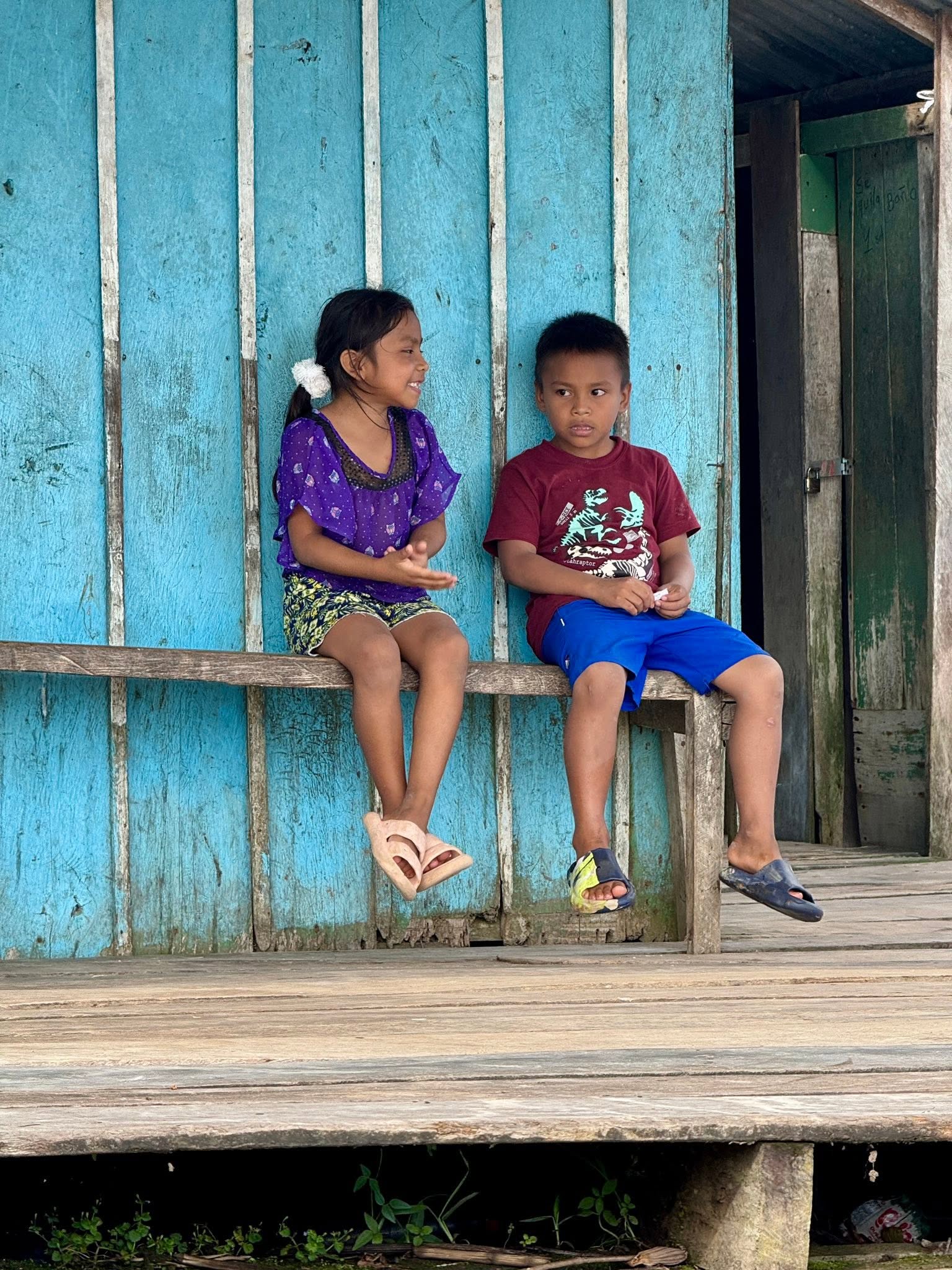
I think these kids were waiting to see if any Gringos actually stepped inside!
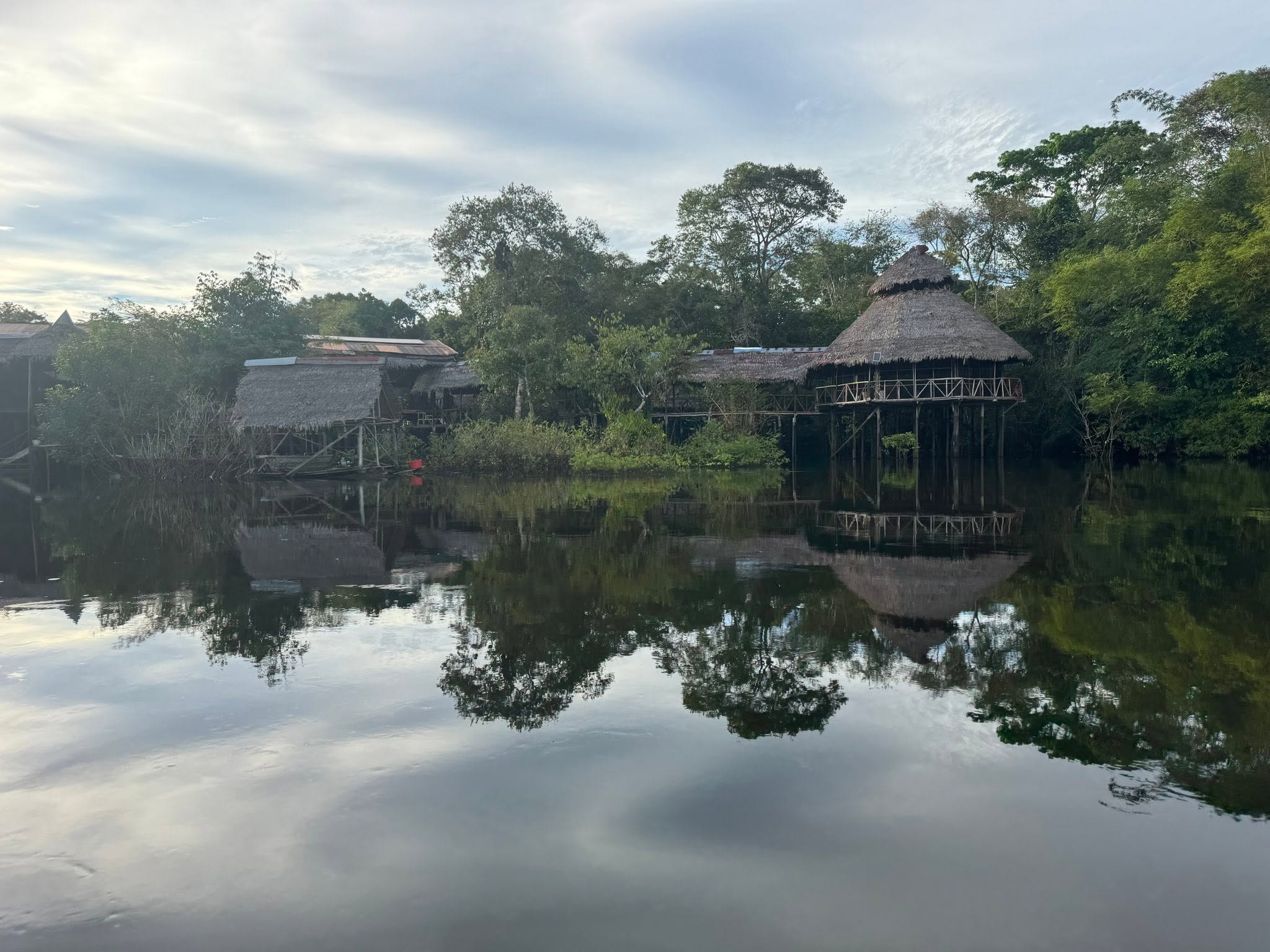
Our lovely, rustic lodge, just past the point where the Marañón and Ucayali Rivers join to give birth to the Amazon River.
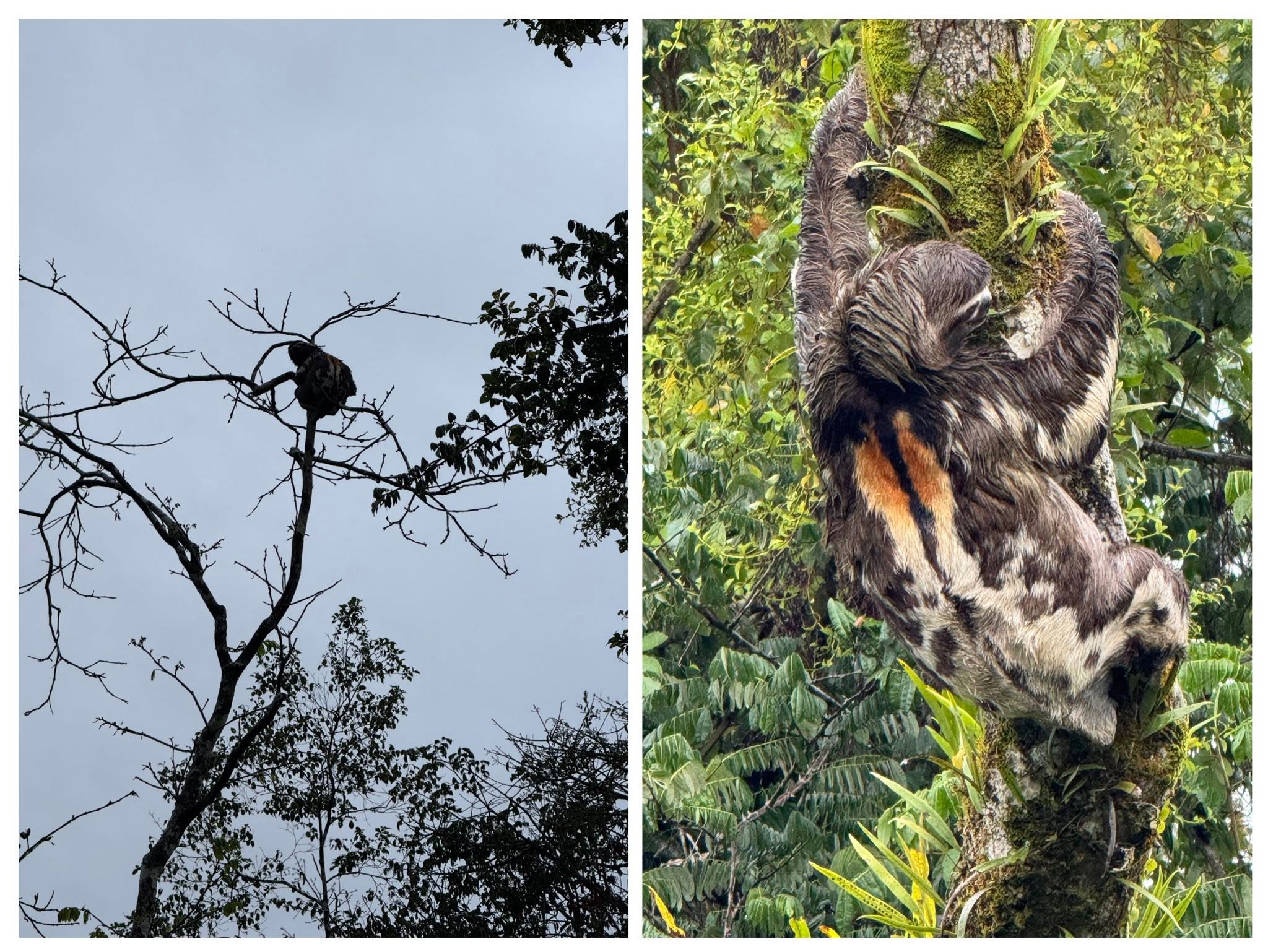
Our first morning, we went on an early fishing expedition but got distracted on the way by a sloth! The sloth was perched high up at the tippy top of this tree and, lucky for us, we got to watch him make his way slowly down to the ground. It's a long way down and they don't move quickly, hence the delayed start to the fishing.
Sloths have a very low calorie diet and to make matters more complicated, their diet consists of hard to digest leaves (it can take them up to a month to fully digest a single meal). Because they don't generate much energy from food, they've evolved to use as little as possible. This is why they move so slowly when they're awake (which is only 5-10 hours a day).
Their biggest journey is their descent to the jungle floor for their once-a-week poop. As constipating as that may sound, it gets even more interesting! Enter the Sloth Moth. A hundred sloth moths live in a sloth's fur at any given time in a lovely symbiotic relationship. The moths fertilize the algae growing in the sloth's fur (which gives the sloth a greenish camouflage) and supplements their diet when they groom themselves. I'm sure fertilized algae is easier to digest than the leaves!
So what's in it for the moths? Here's the fun fecal fact. The sloth moth has a particular spot where it lays its eggs; in the sloth's poop! When the sloth gets to the ground to take care of business, the moths hop off and take care of their own business. Then as a sign of thanks, when those eggs hatch, the newly minted moths make a beeline to the nearest sloth, settle in and get to work on the algae in the sloth's fur.
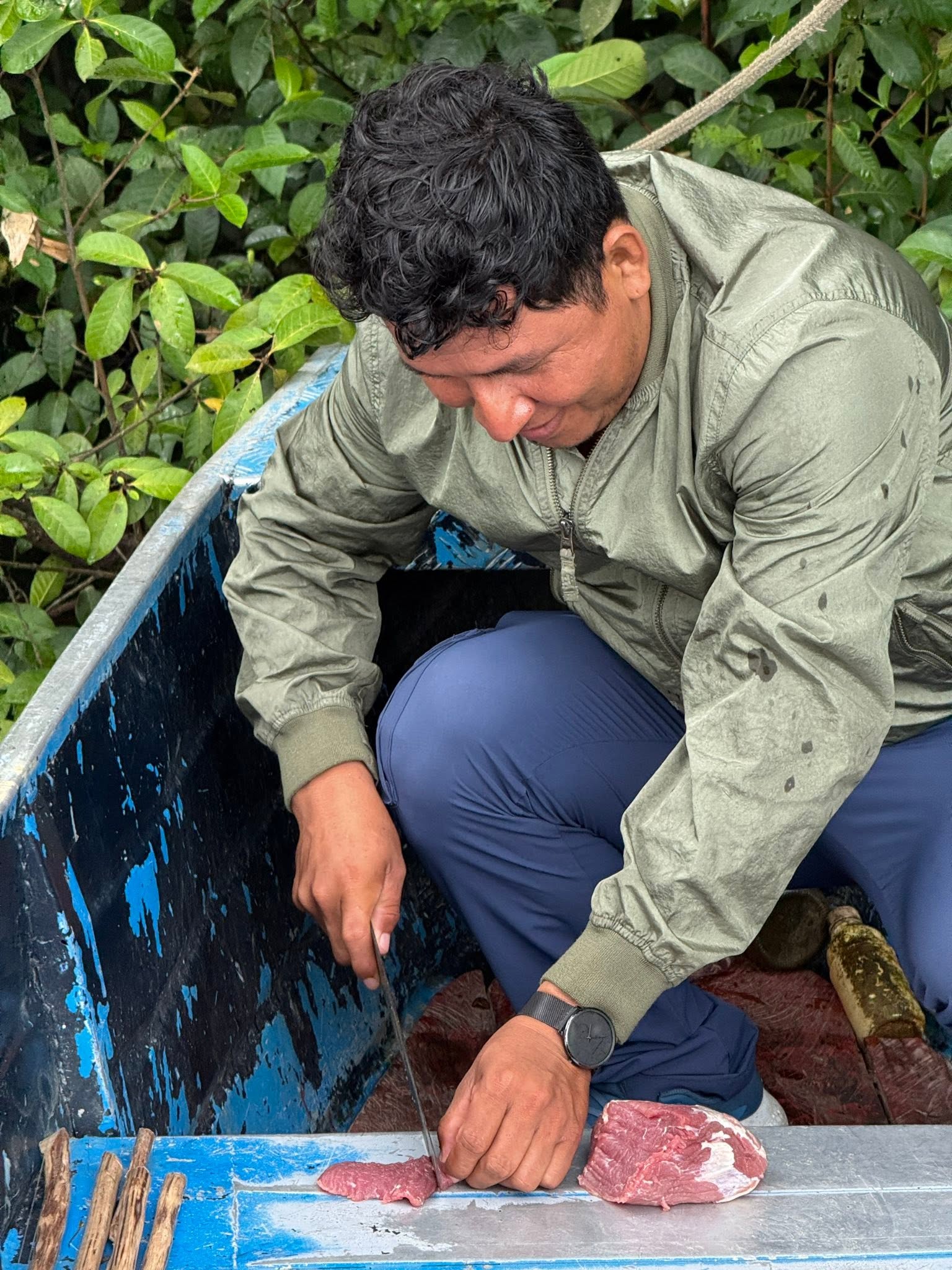
So once the sloth got to the ground, we didn’t stick around for its potty break, we got down to our fishing for piranhas. It seems as thought they have particular tastes for bait. No worms for them; they get steak!
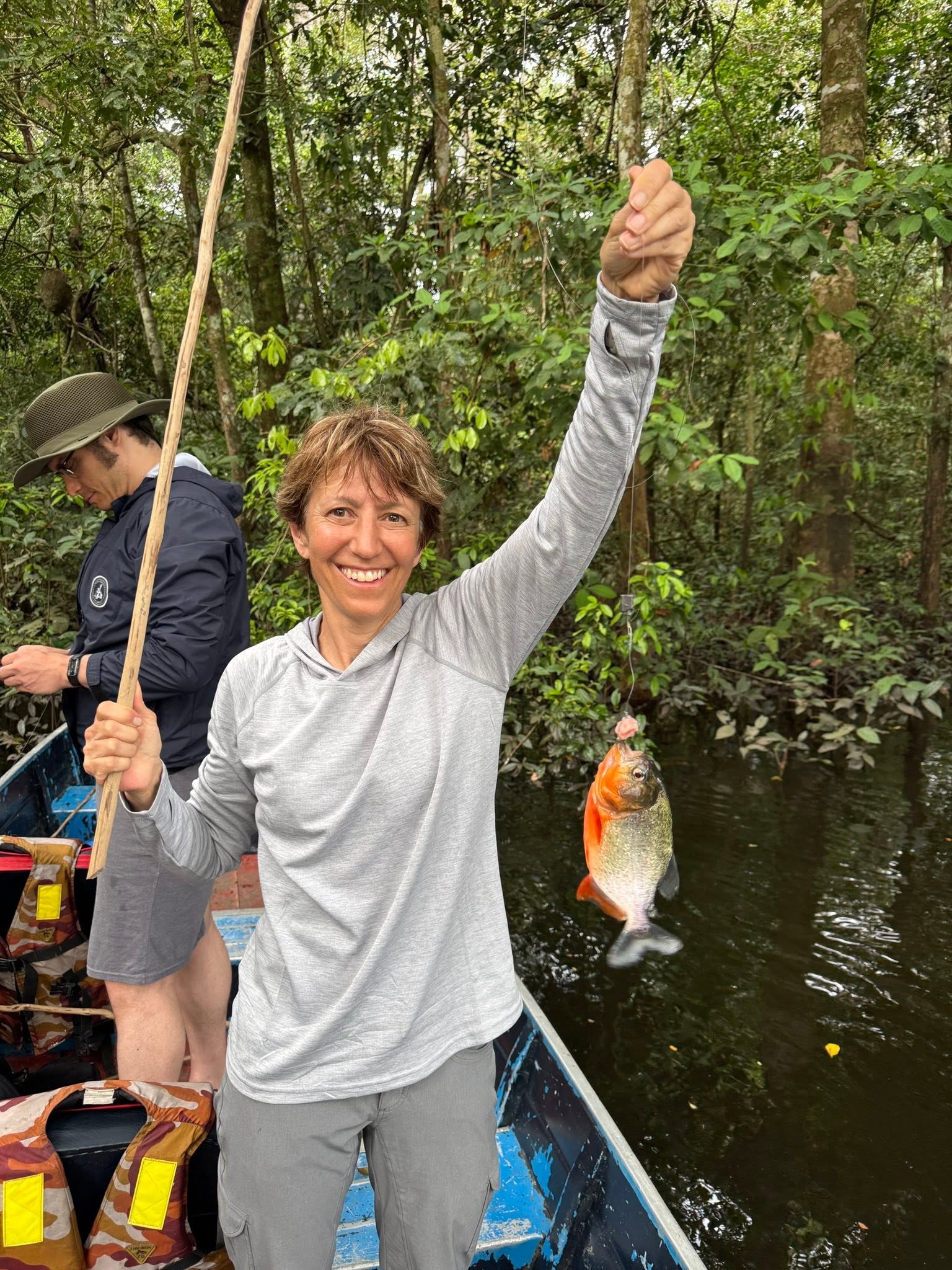
An adult Red Bellied Piranha! Big enough to eat!
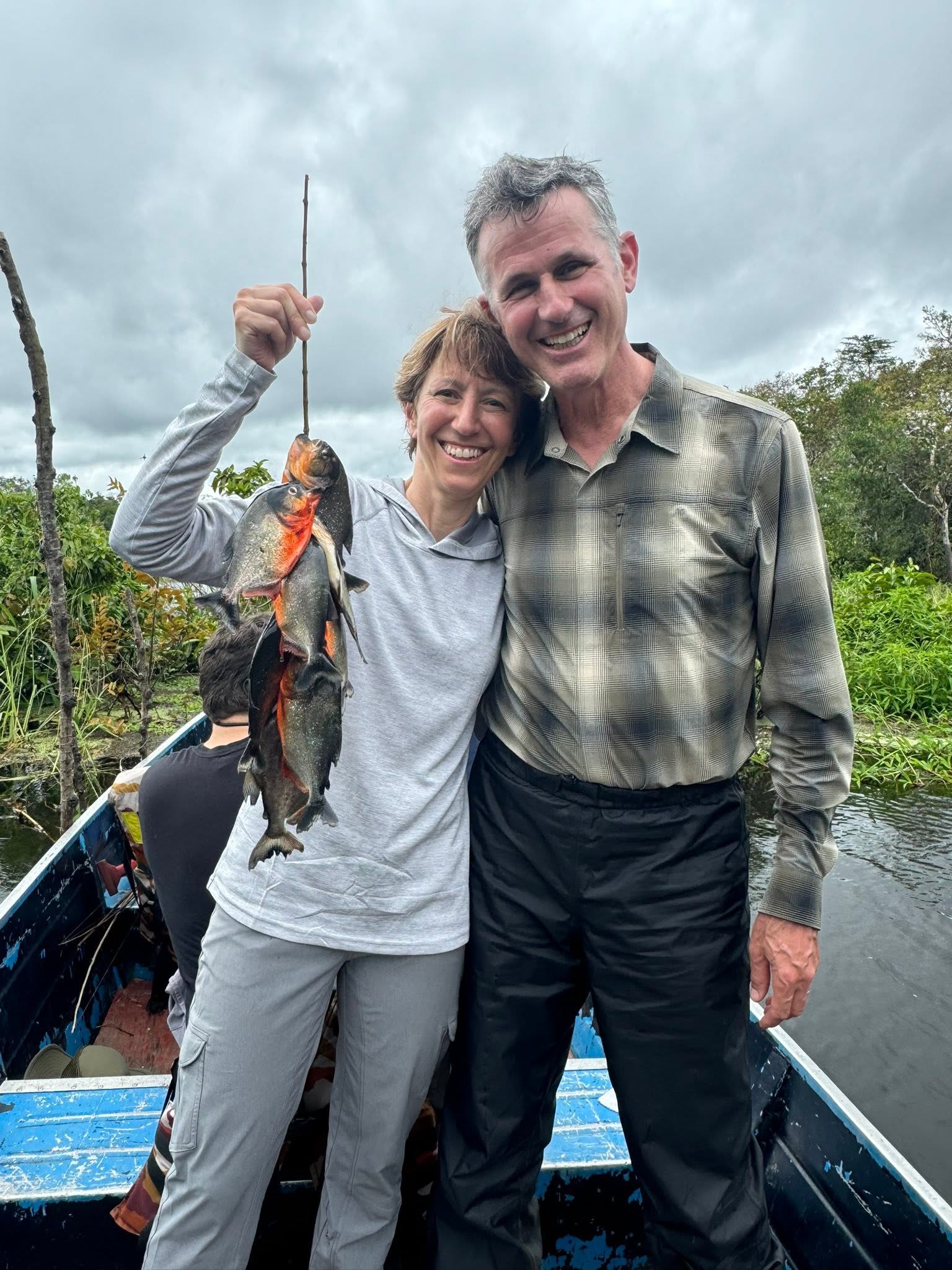
We caught lots of little ones which we threw back and I think eight big ones.
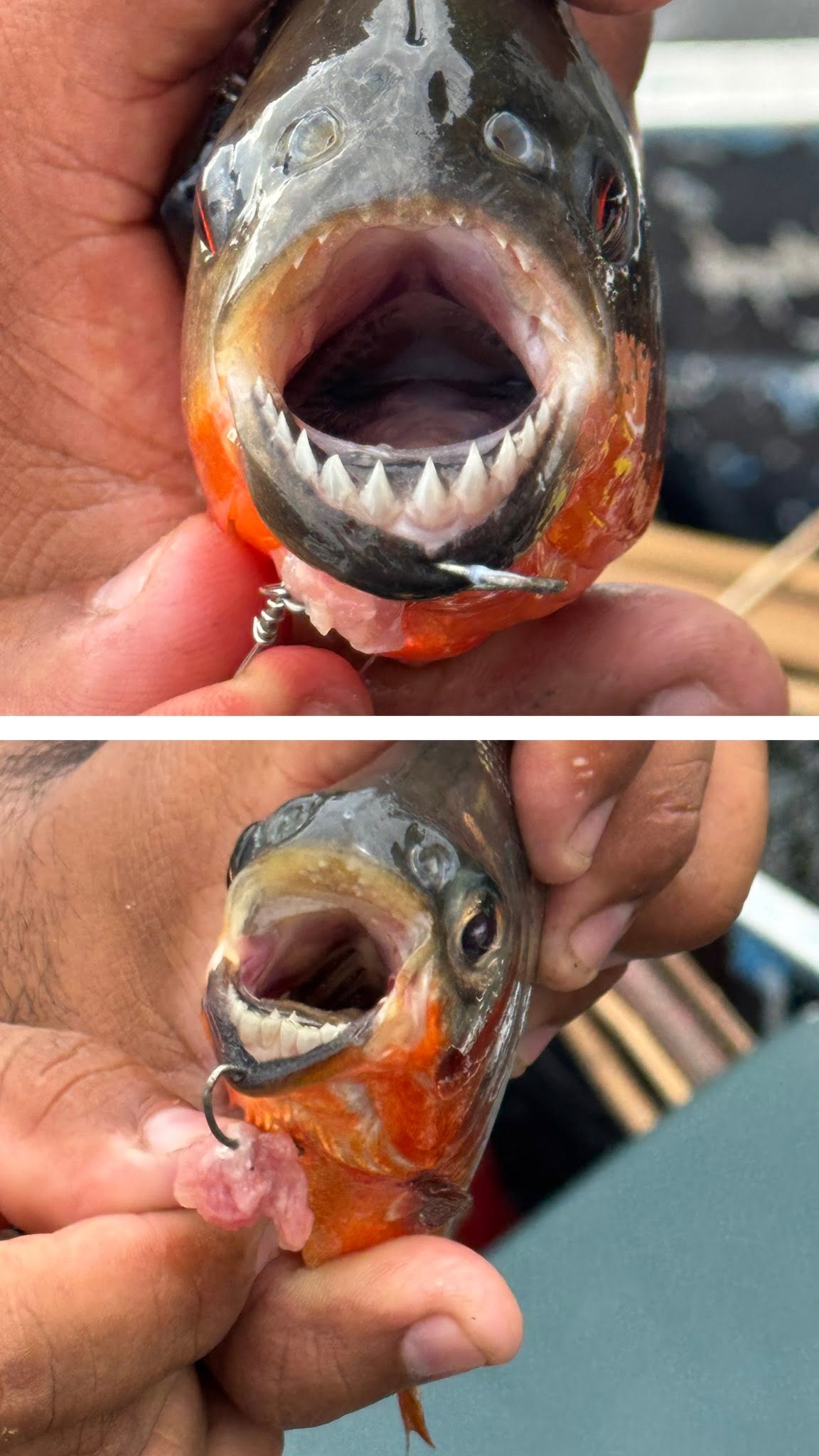
These are the two I caught. The top one you can tell is a Piranha by its sharp teeth for slicing through flesh. The bottom one is the Piranha's vegetarian cousin, the Pacu. Look at the teeth; just like human teeth. These fish eat fruits, nuts and seeds that fall into the river so, like humans, they evolved to have flat molar-like teeth to crush and grind rather than cut. I guess this one was a bit misguided going after the steak bait. And given the bait left on the hook, those teeth didn't get very far with it!
The Piranha’s teeth in action!
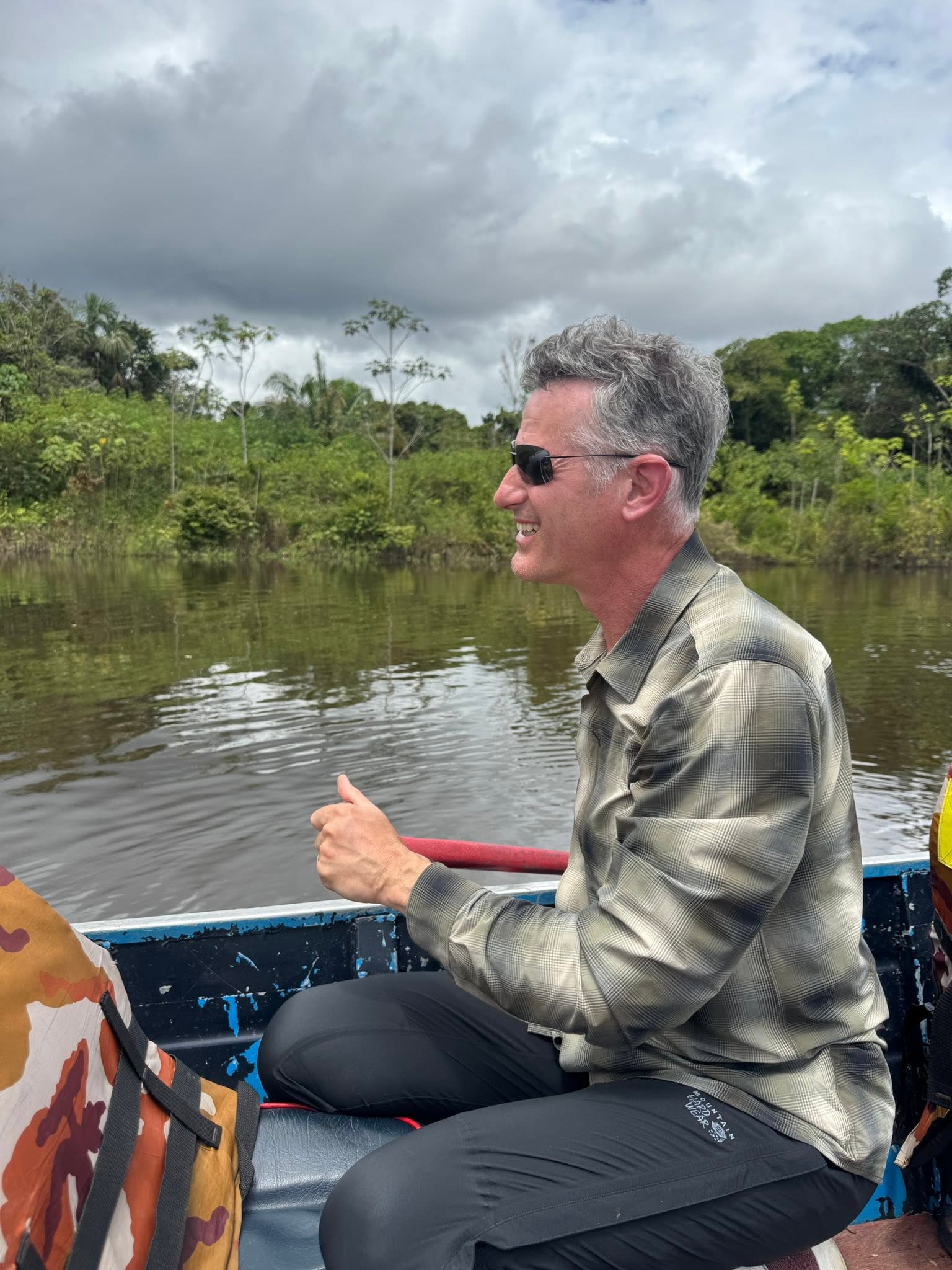
We had some struggles with the engine all morning and after fishing, it finally conked out. After an hour and a half of tinkering (what is it with men and tinkering?!) we paddled less than 10 minutes to a local village where there was data and called for help.
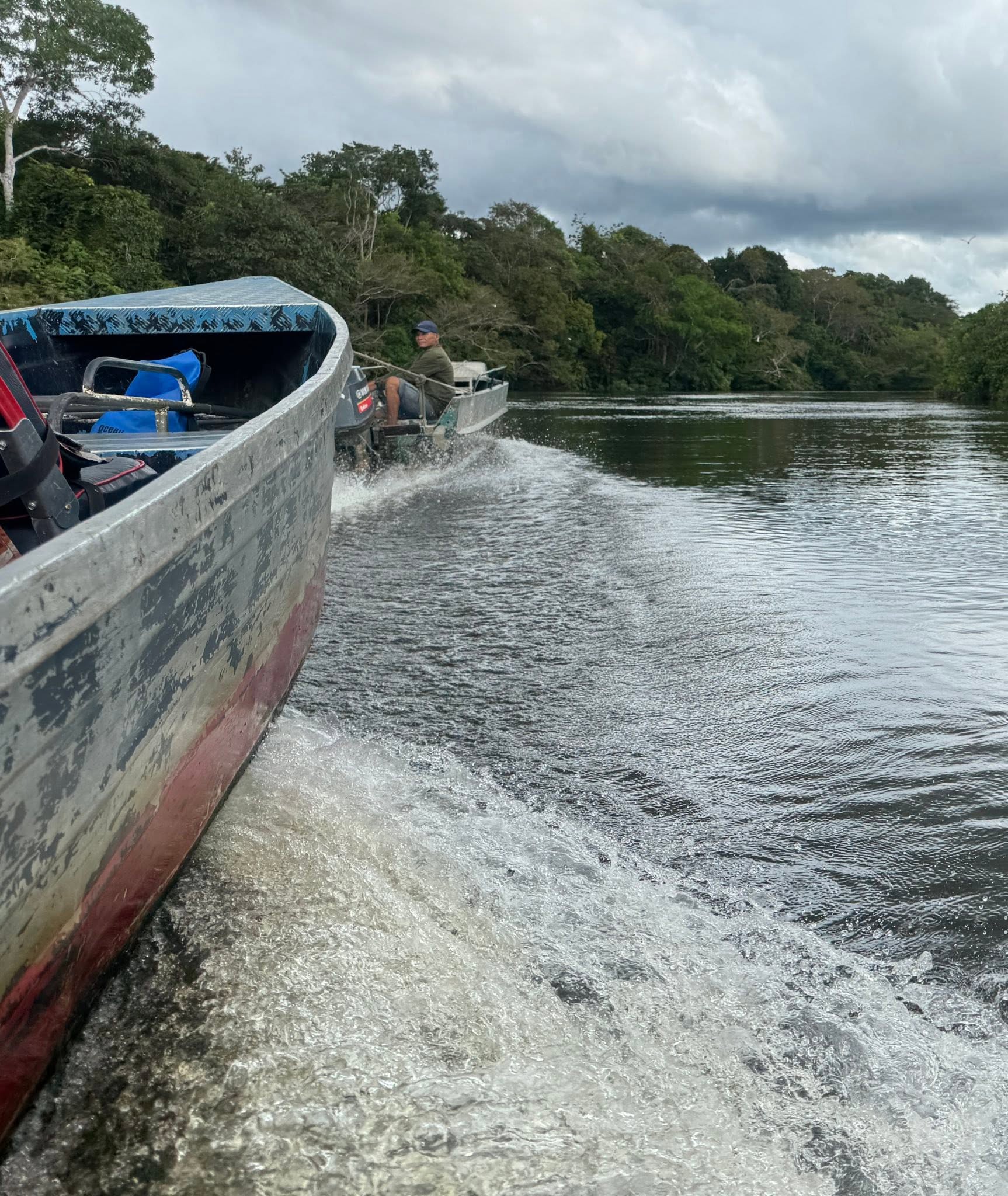
Our lodge sent a guy who had a bit of a tinker (seriously, enough tinkering!) and towed us back.
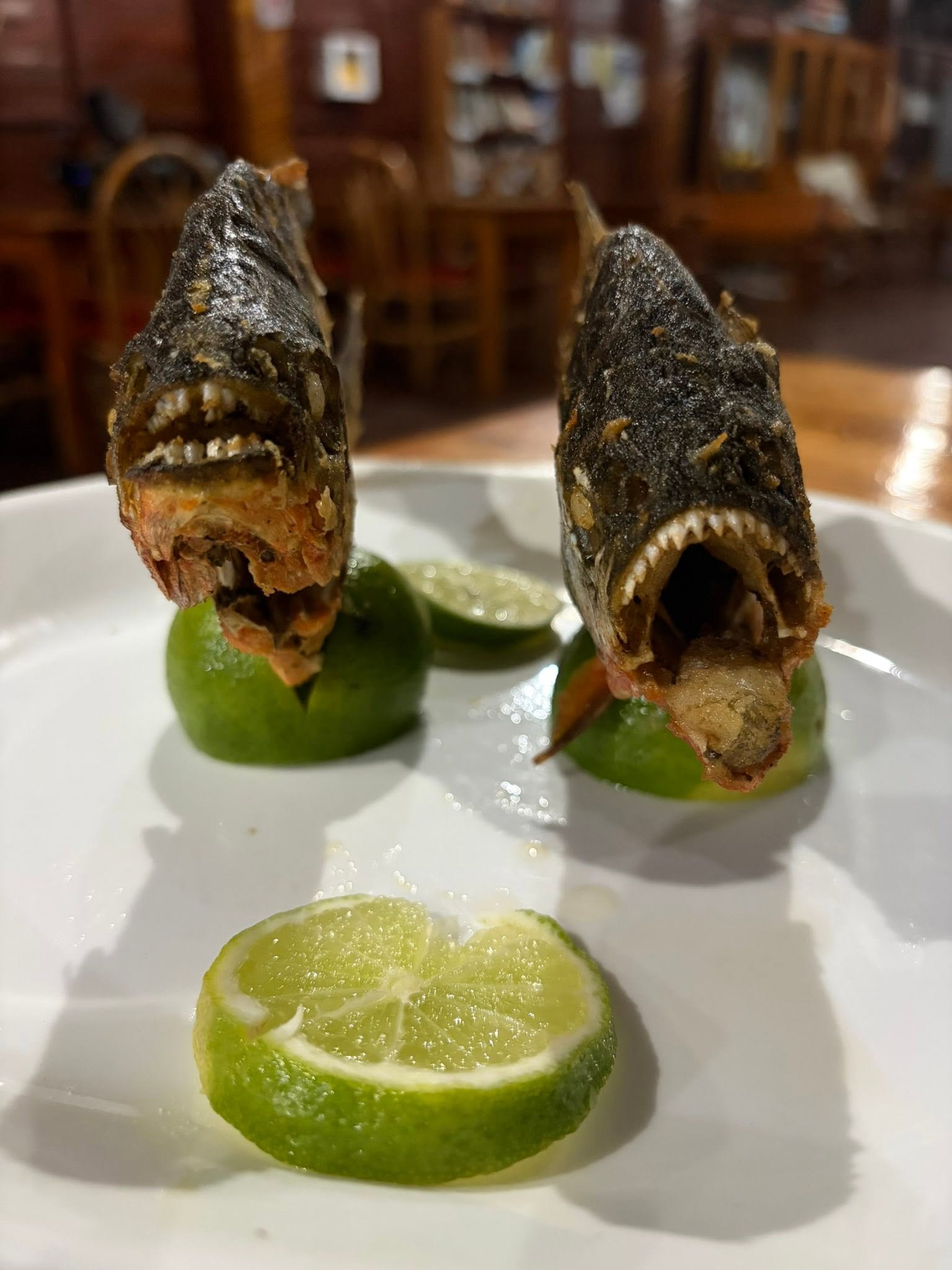
Given our engine mishap, we didn’t make it back in time for a fish lunch, so we had a fish dinner!
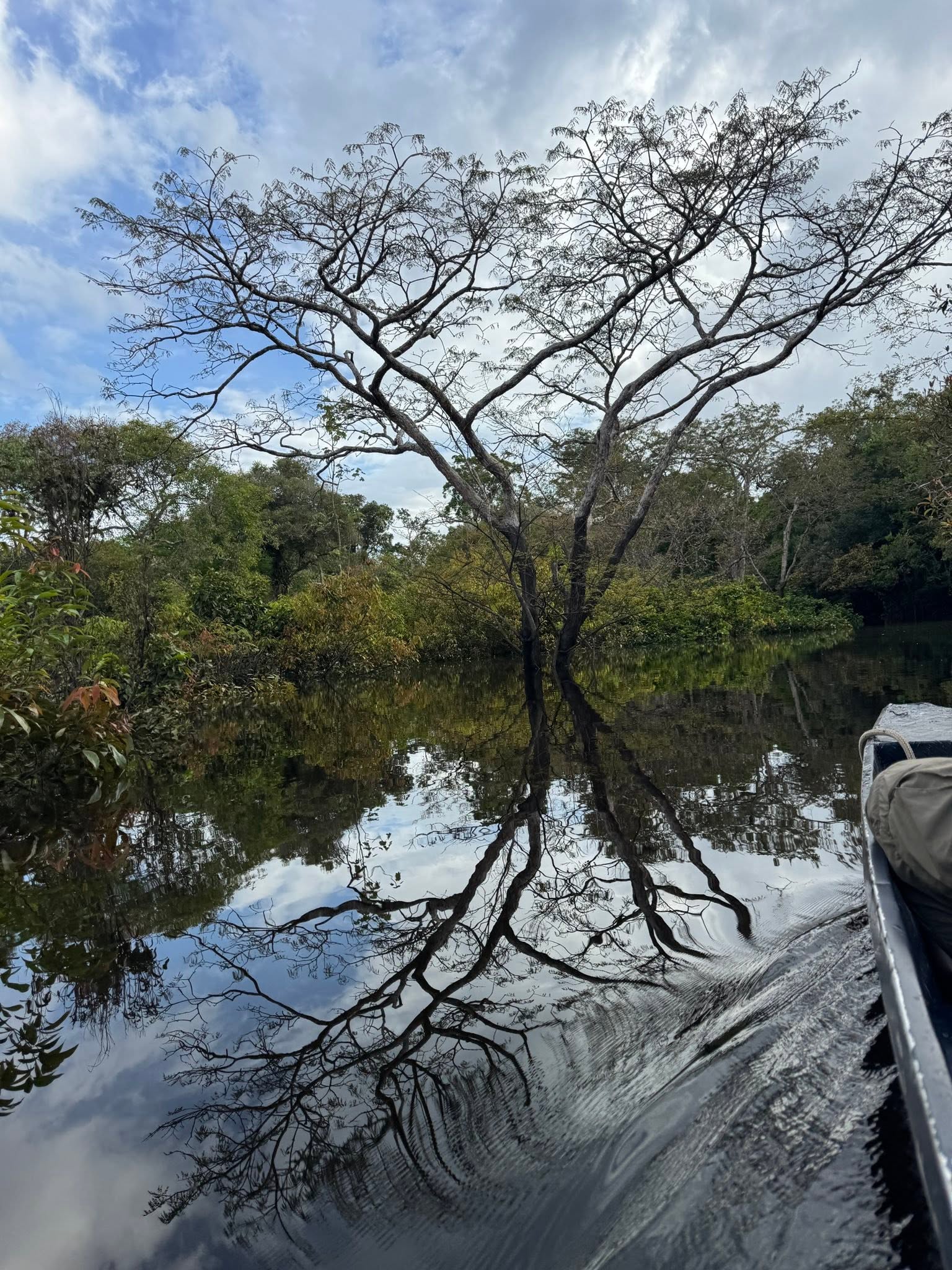
Paddling through the flooded forest exposed a host of different flora and fauna, and the very cool effect of the so-called "jungle of mirrors". Because this is a blackwater flooded forest, the trees are perfectly reflected in the still, dark water. The blackwater is quite acidic due to the tannins that leach out of all the decaying leaves and branches in the slow moving water. Apparently, this is not such a good environment for malarious mosquito larvae to survive so there is less malaria than in the more neutral "white" water.
This height of the water in here shifts by up to 10m between wet and dry season. In dry season, the water drains away completely and locals can plant rice, watermelon, yucca and corn. Fortunately, this is all ready to be harvested before wet season starts.
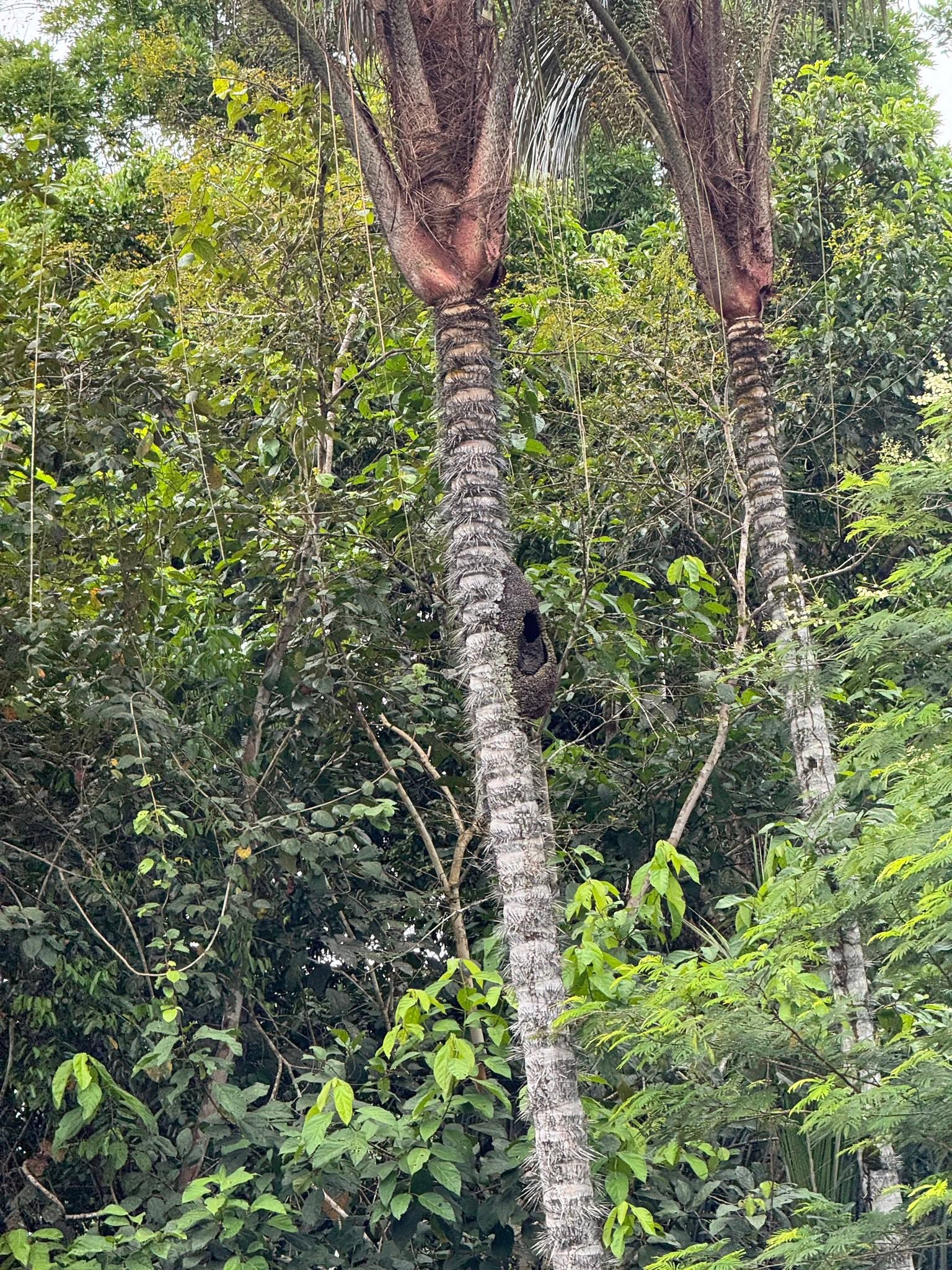
A perfect adaptation to the flooded forest is the jauari palm. This tree won’t survive on dry land and its a perfect habitat for a very smart termite. This creatures build their nests high up (well above the high water line), right into the 10cm long spines that grow out of the trunk. Mammals that would otherwise have breakfast, lunch and dinner from this nest, simply can't get to it. One predator that can get to this nest is birds. The big hole you see resulted in a nice meal, probably for a woodpecker. The termites that survived live in other sections of the nest and a parrot family would have moved into the nice big hole left behind. Interestingly, the parrots and birds learn to live together on opposite sides of the wall. I'm guessing termite hearing isn't so great because noisy parrots as neighbours would be pretty annoying!
This is a prime spot to find the elusive pygmy marmoset. Our guide was a master animal noise maker. You can hear him call out and the marmoset turns to look at us!
This little creature likes to eat poisonous things like frogs, tarantulas, spiders and scorpions during the day. They know it's bad for them but, like me and salt and vinegar chips, they can't resist. So after their breakfast, lunch and dinner, they eat tree sap to neutralize the poison.
Despite their diet, these monkeys are very adept at tricking their predators. They have five nests so the predators never know where they are. They each take turns leaving the nests to do their feeding circuit so they are never running around all at the same time. They reconvene at the nest around 5 or 6pm and the family sleeps together in a ball.
This is the Monk Saki Monkey and apparently we were quite lucky to spot one. Unlike most monkeys who do a fine job spreading seeds around the jungle from the digested fruit they eat (yet another fun fecal fact of the Amazon), Saki monkeys are seed destroyers. Their jaws are strong enough to crush through the husks of unripened fruit and the fledgling seeds end up completely digested. The opportunity to spread the seeds around the jungle is lost.
The very cute white-fronted capuchin monkey! These ones have the largest brains to body size of all the monkeys. Yes, they are very smart. They figure out how to make and use tools to hold water, dig for nuts, dip for syrup, catch ants and anything else necessary to ease their survival. They have also figured out insect repellent! They rub mud or strong-smelling plants all over themselves. I should have followed their technique because my fancy (and toxic) deet repellant didn't stop me from getting bitten by mosquitoes (dark water, less chance of malaria but I took malaria pills to be safe).
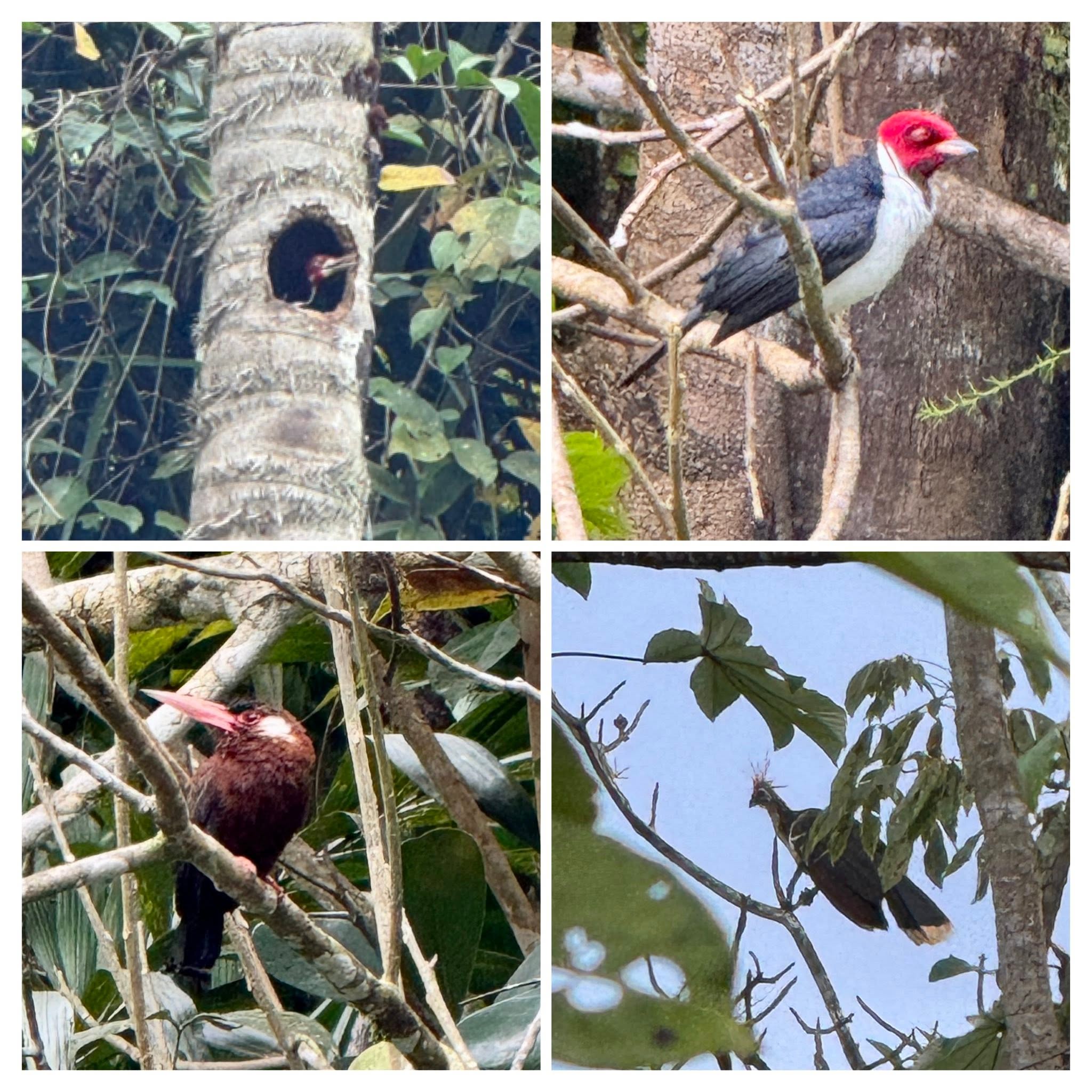
Some of the birds we found along the way. Oddly, the pretty birds seem to make less interesting sounds and the cool sounding birds seem plainer. I guess you can't have everything...
The hoatzin is the one in the bottom right corner. Beautiful creature but it is never hunted for food by humans. Why? Because it stinks. It has the digestive system of a cow that ferments vegetation in the stomach. This fermentation is useful for its survival but leaves little to be desired for its odour. I guess if they all smell bad, then it goes unnoticed among their own kind!
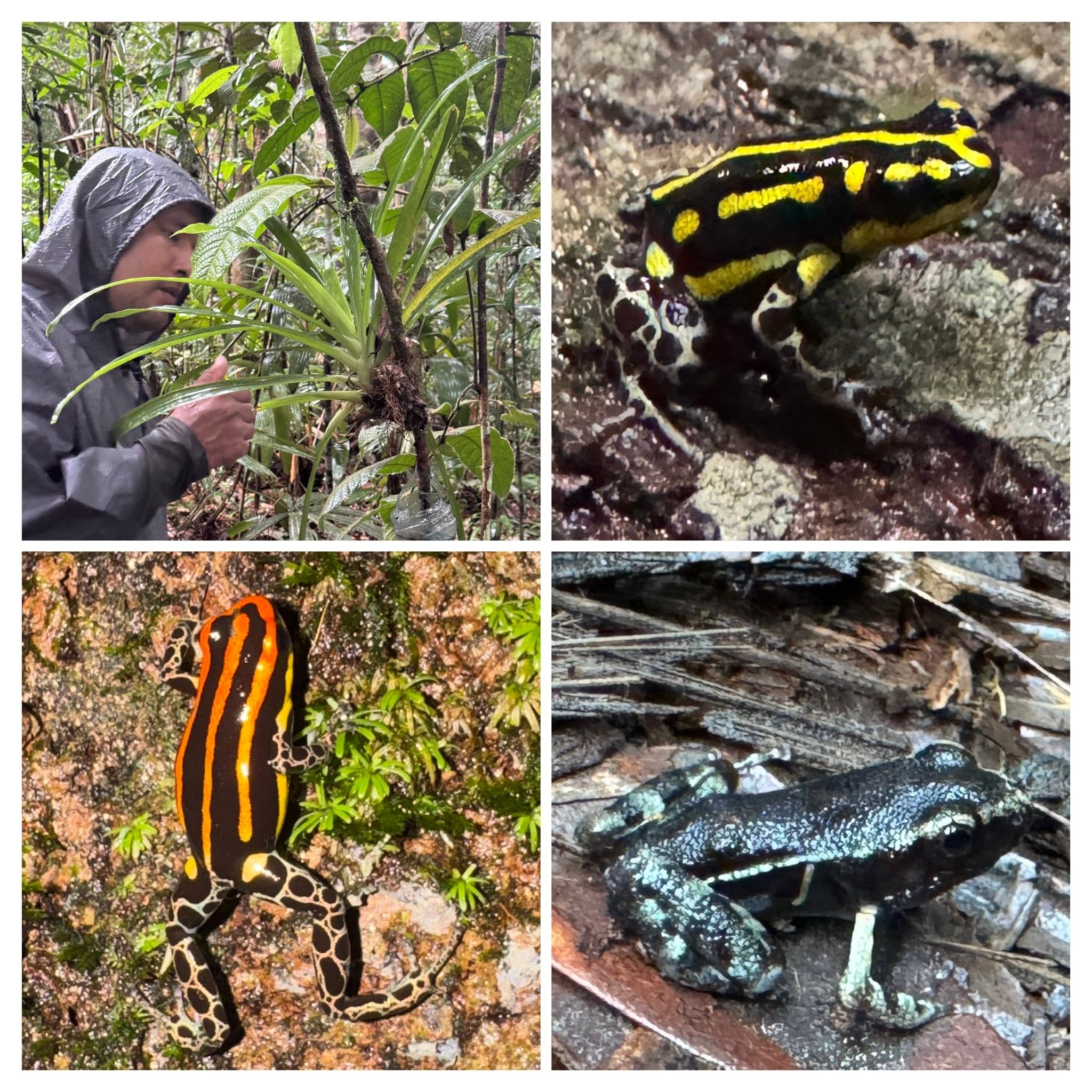
Now on Terra Firme, we went looking for poison dart frogs! We got caught in a rain storm while we were looking for them which apparently makes these tiny frogs even harder to find. Somehow our guide managed to see them!
They like to live and lay eggs in bromeliads because they hold water so we were busy checking the bromeliads we could reach. No luck in those but we found them on the ground and on logs.
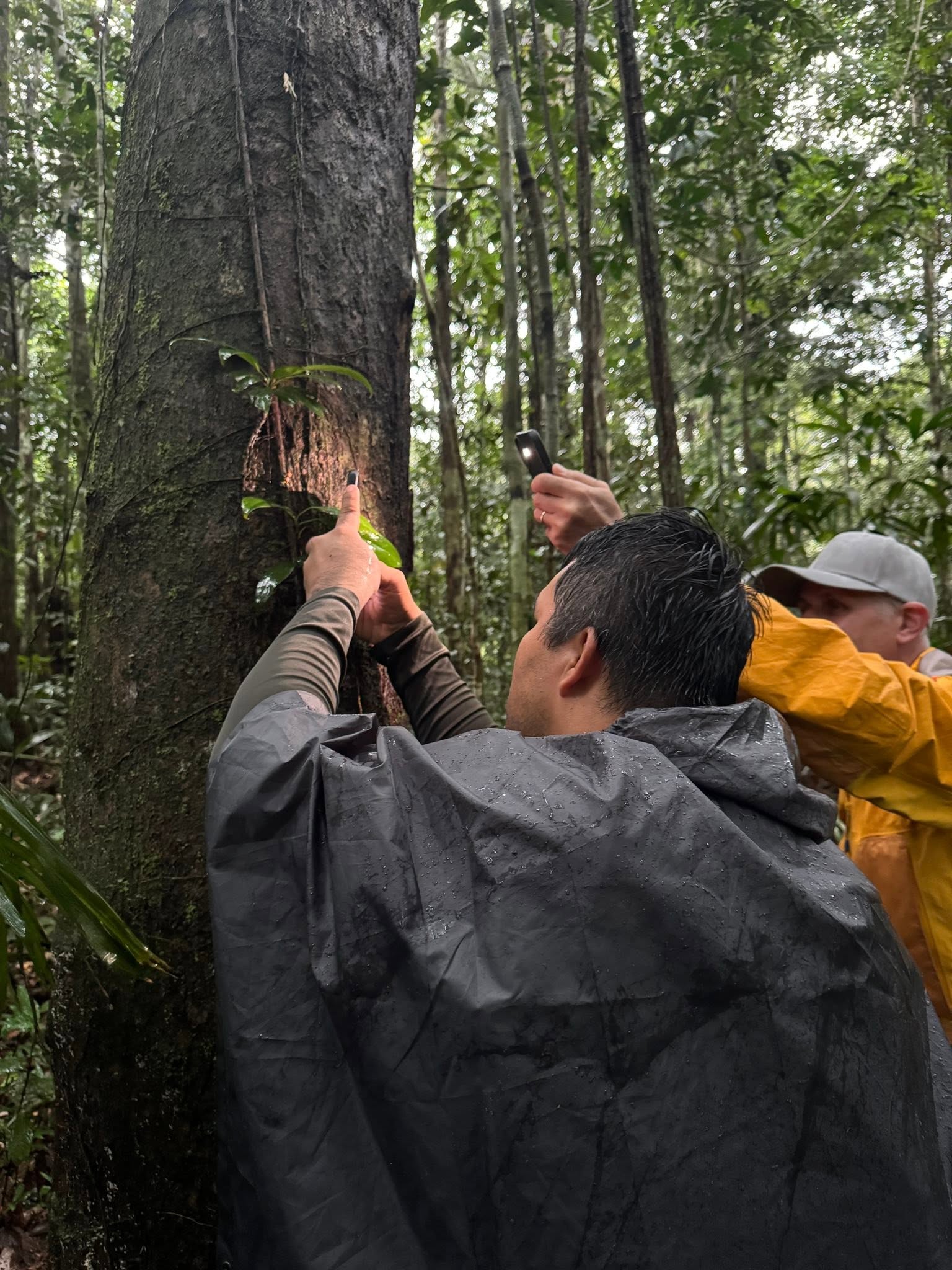
And here is the photo shoot, complete with lighting!
The jungle cellphone…I hope you can hear Claudio’s description.
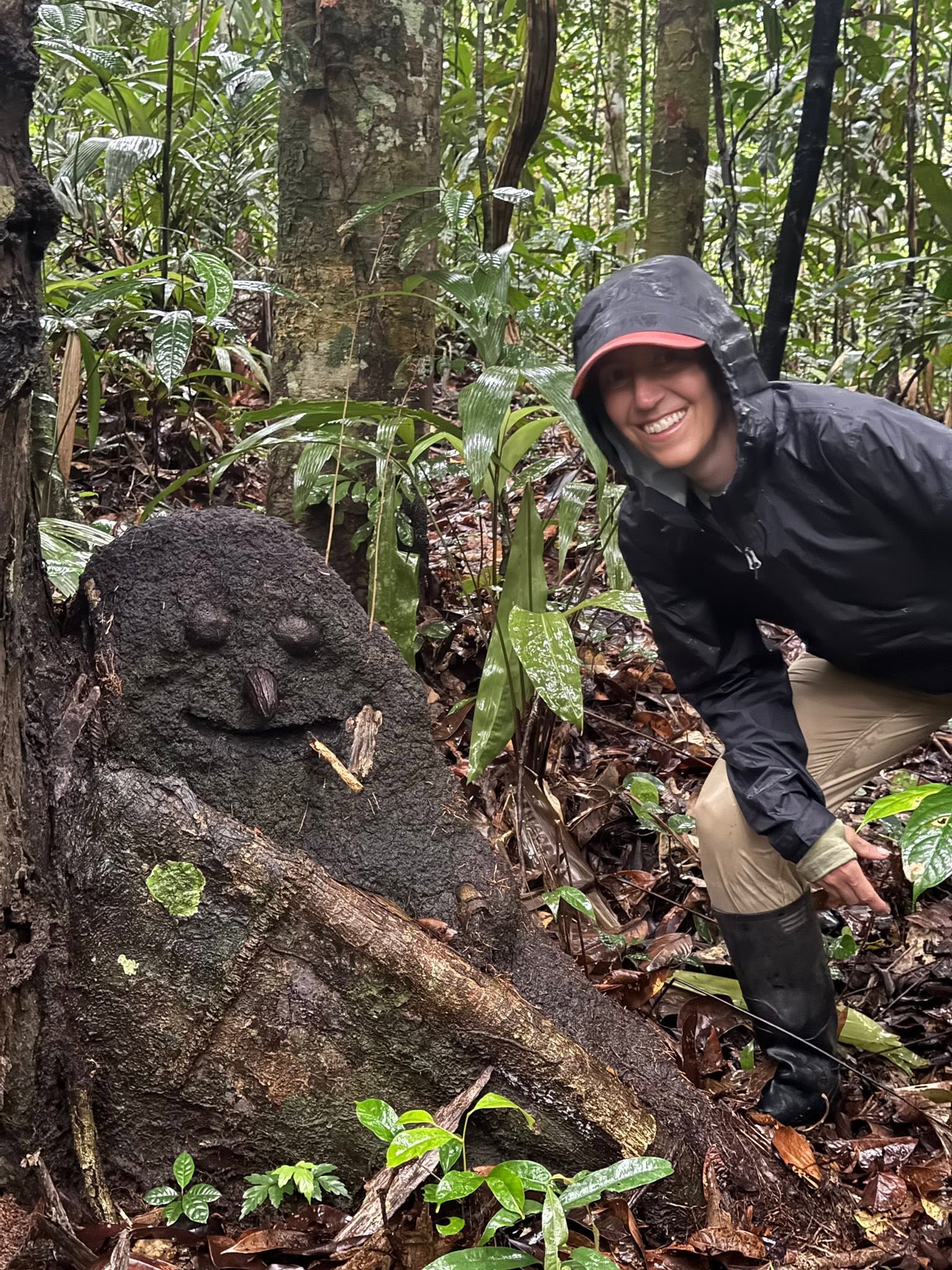
Claudio built a “termite mound man” a little while ago. Somehow he was inspired by a snowman.
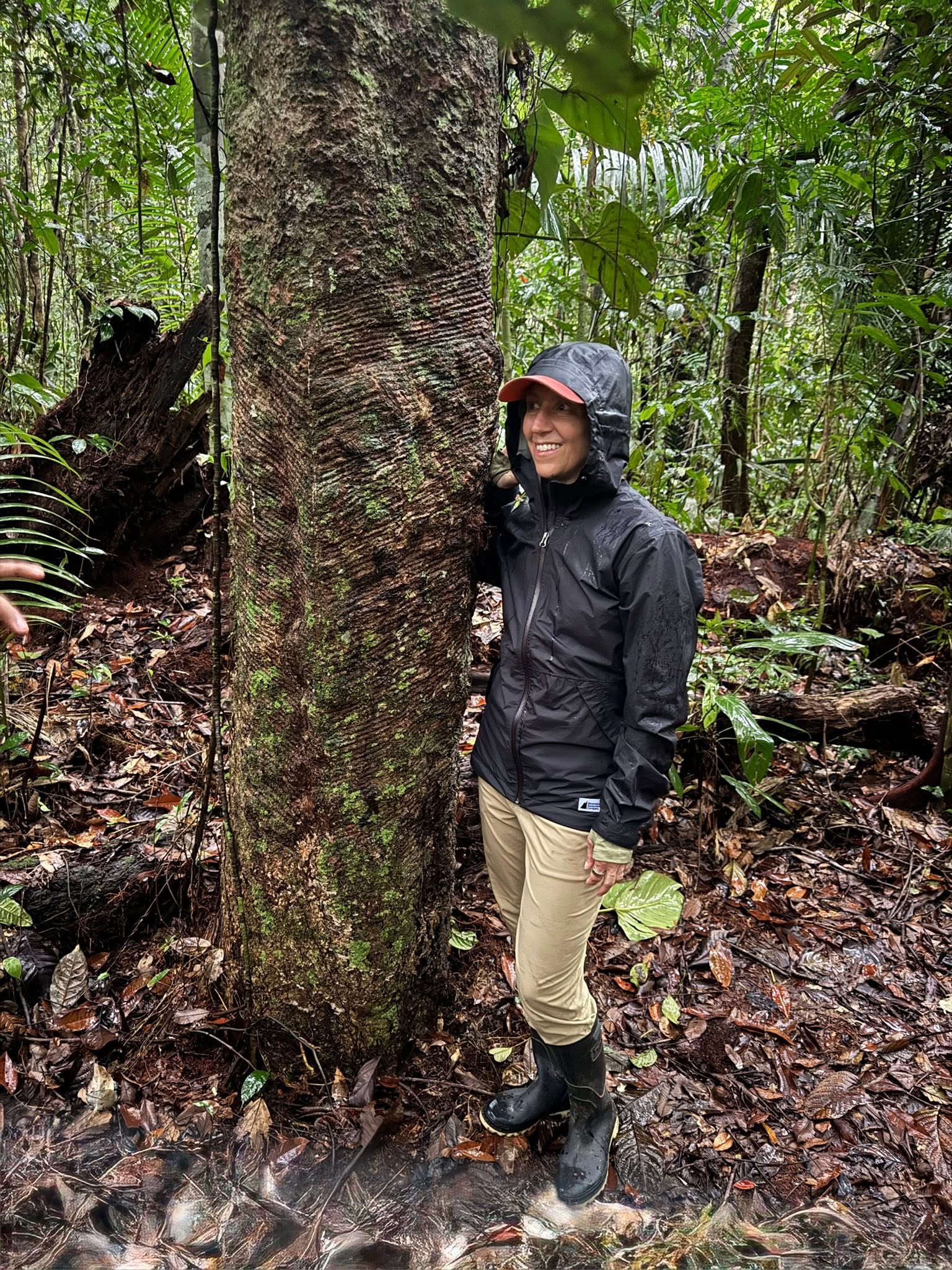
The rubber tree that built Iquitos in the rubber boom but ultimately couldn’t save it from collapse.
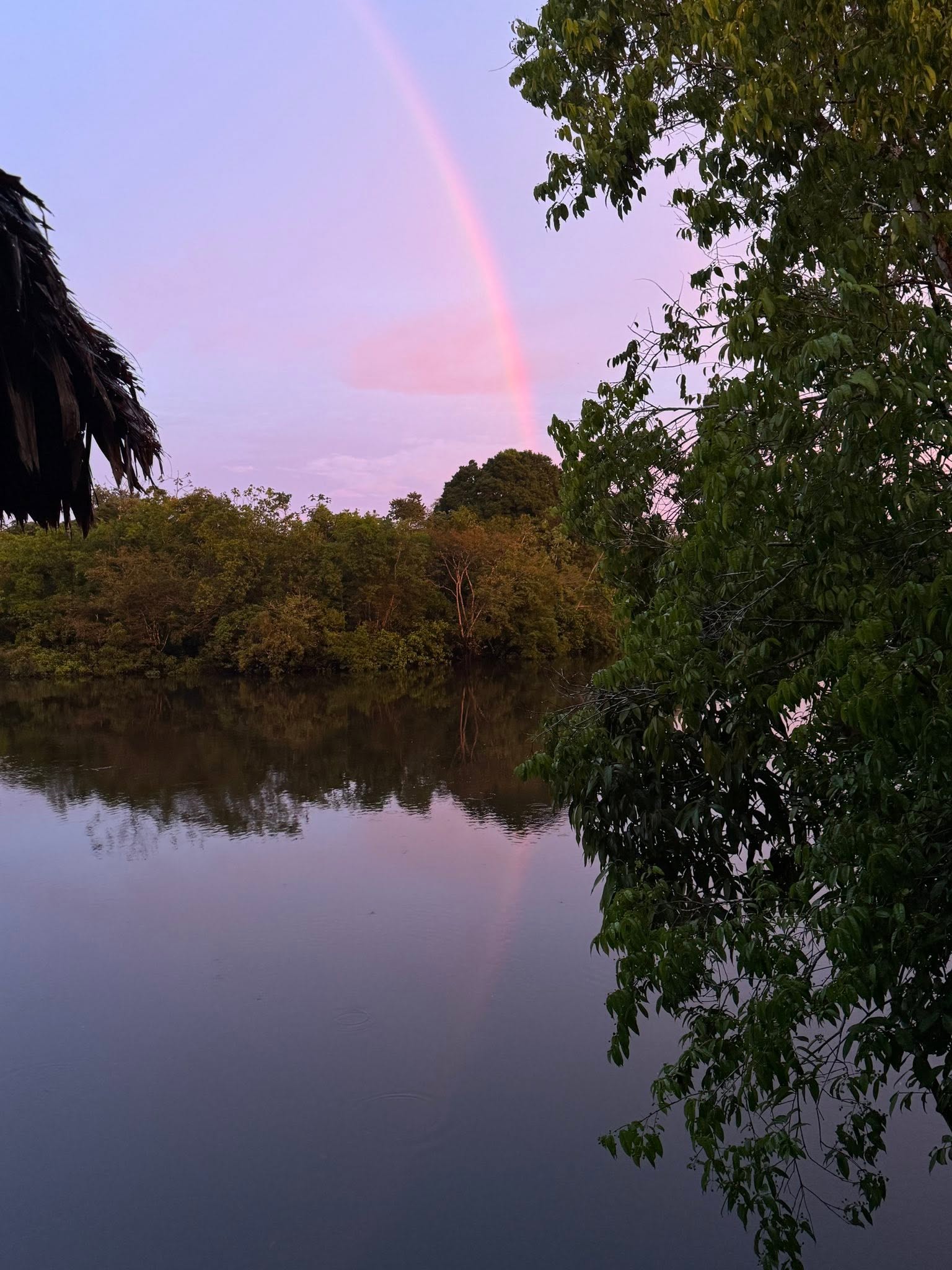
Thanks to the reflective blackwater, a double rainbow but not in the regular sense.
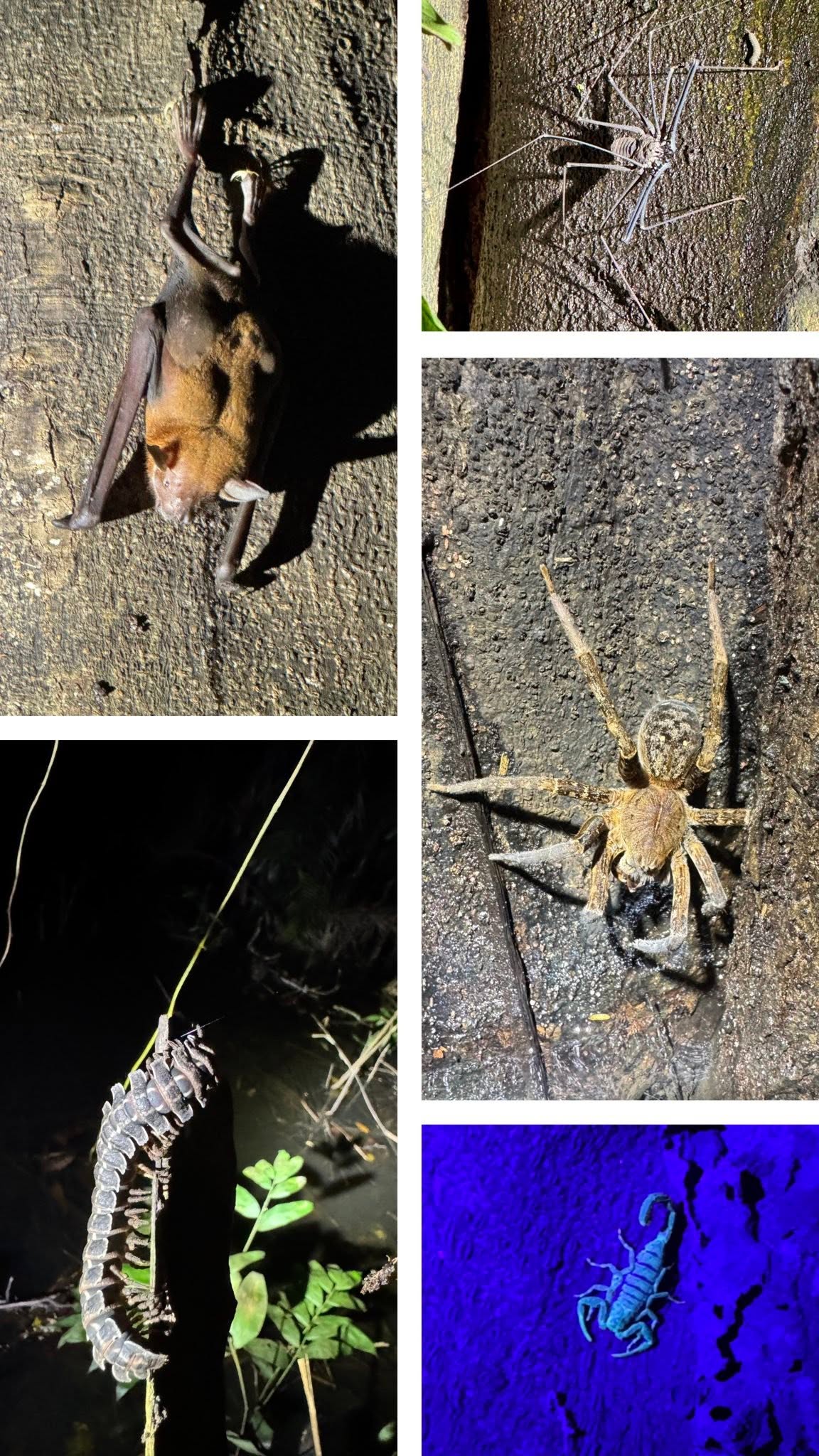
A few special creatures we came across during our night paddle. All of these were right under our lodge which made me think twice about closing my eyes when we went to bed.
Clockwise from top left is the fishing bat. It swoops low across the top of the water looking and diving for fish.
Next is a whiptail, officially an amblypygid which is its own, ancient group of arachnids. They have a body like a scorpion but no tail. They have eight legs like a spider but only use six, with the front two whipping around sensing their surroundings, and walk sideways like a crab, and no silk glands like a spider for spinning webs. As creepy as they looked they are harmless.
Then there's the fishing spider. This sits low on a tree just above the water waiting for a little fish to swim bye and then it pounces!
Second last is the very recognizable scorpion. This one's just a baby but I still wouldn't touch it!
Finally a millipede that looks positively prehistoric. Millipedes are not venomous (centipedes are) but I still wouldn't touch one!
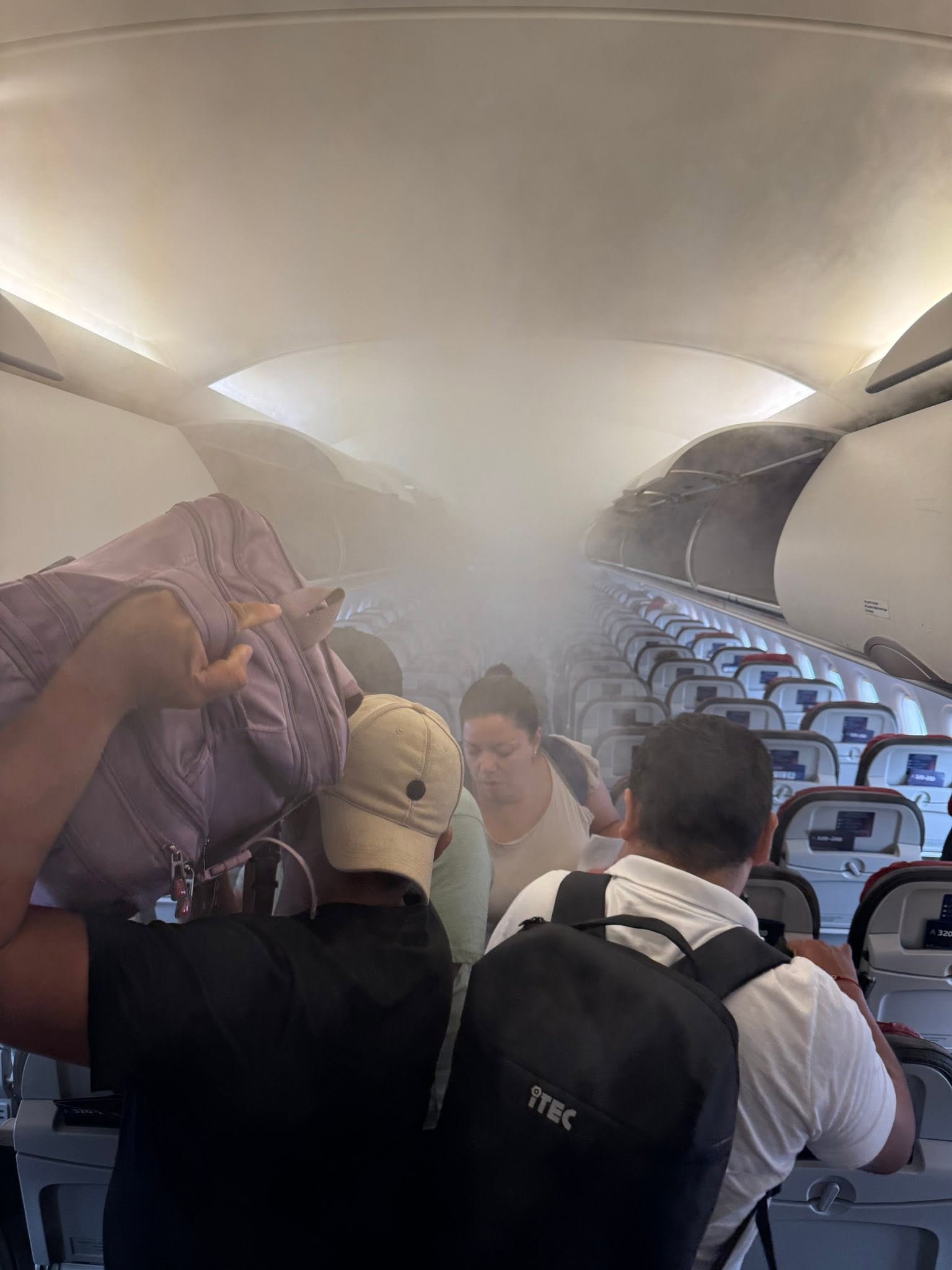
Departure day and a bit of pre-takeoff biosecurity to chase down any disease carrying mosquitoes. Apparently safe for humans but it is recommended to cover your nose and mouth during this process, as you can see...