March, 2019
We had a windy day circumnavigating Suomenlinna Island. Only accessible by water, the sea fortress dates back to 1748 when Finland was a part of Sweden. Its occupation bounced all over the place during it's history. It started as a naval base for Sweden during the war between Sweden and Russia, then a naval base for Russia after the war between Russia and Finland, a POW camp during the Finnish Civil War, a submarine and anti-aircraft base during WWII, and finally a UNESCO World Heritage Site for its outstanding military architecture. Eight hundred people now live here.
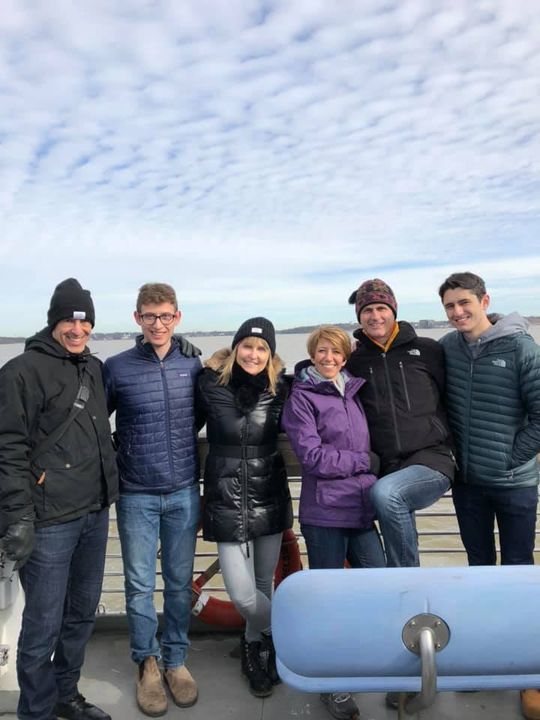
Well, look who we bumped into today!
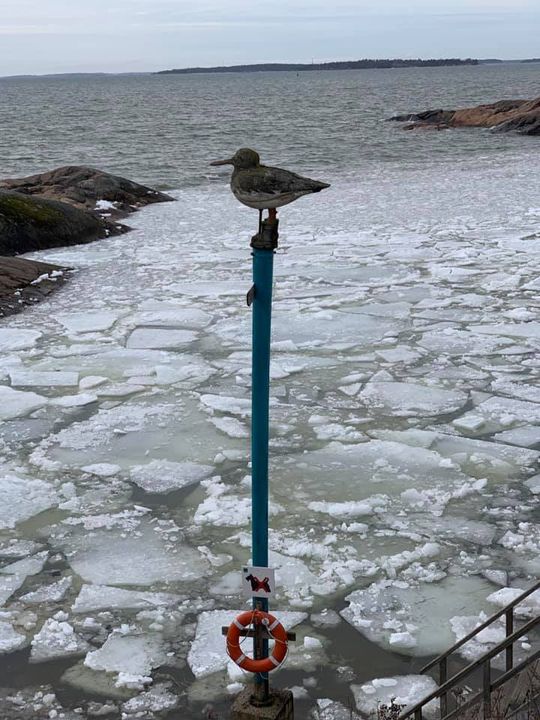
Boots keep seagull feet warm in the sea ice.
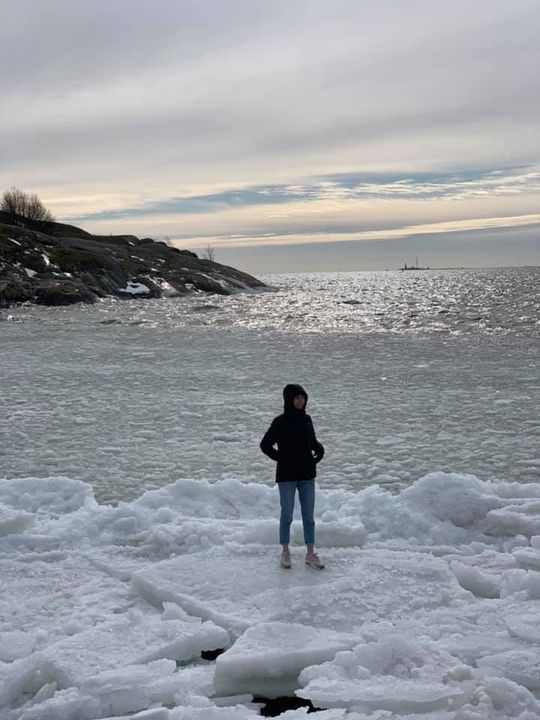
Steppin’ out on the floes.
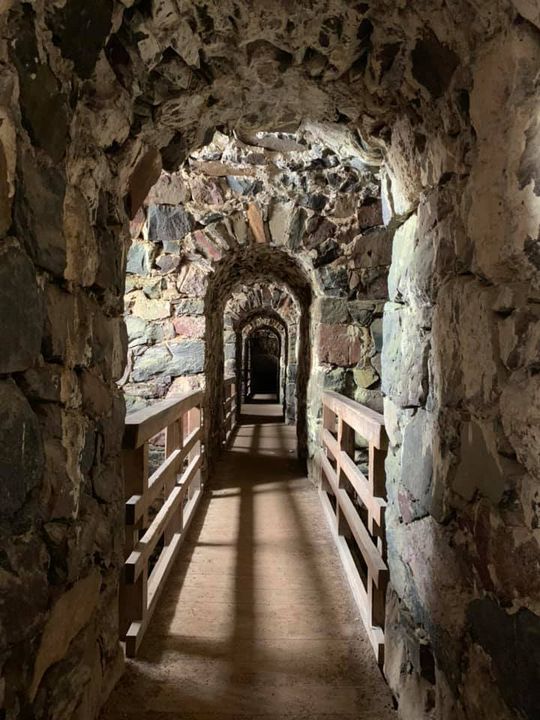
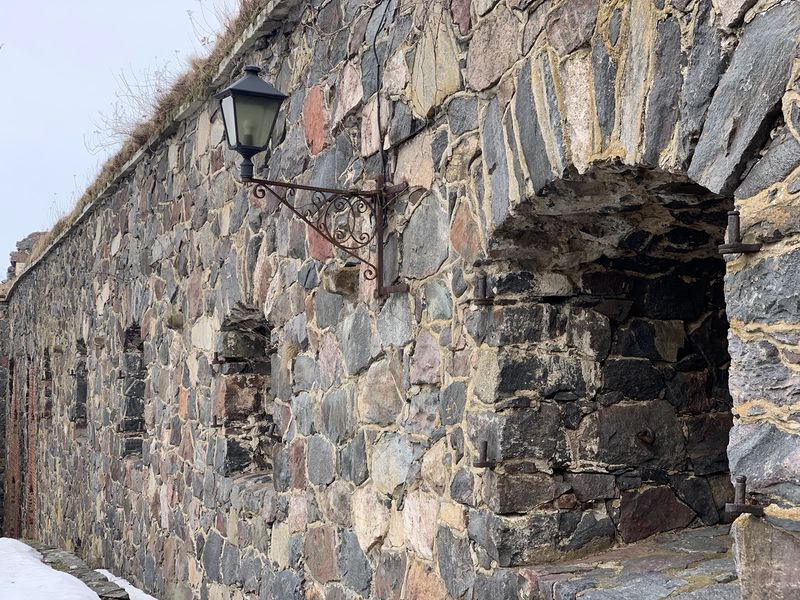
The sea fortress walls.
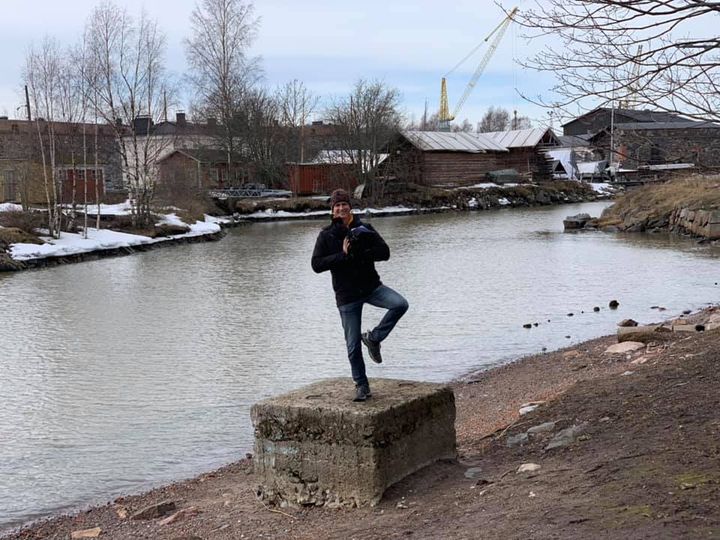
Yoga...anywhere and everywhere. Maybe if the Russians did more yoga they wouldn't have gone after the Swedes and the Finns and this island would have been just a chill place to enjoy and have a picnic.
Keeping cosy in the chill.
All in!
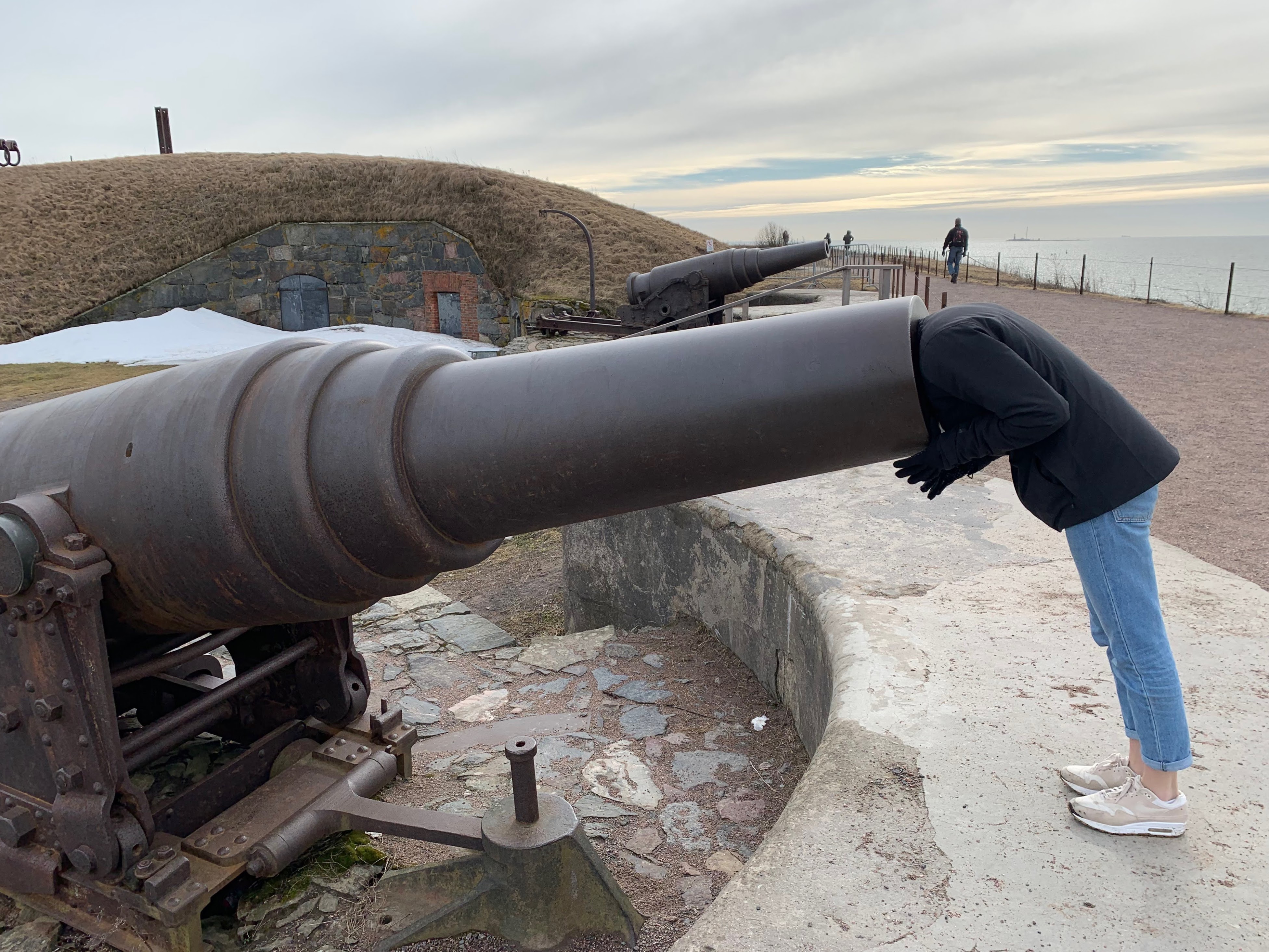
Checking the range from the inside of one of the 105 cannons that grace the fortress walls.
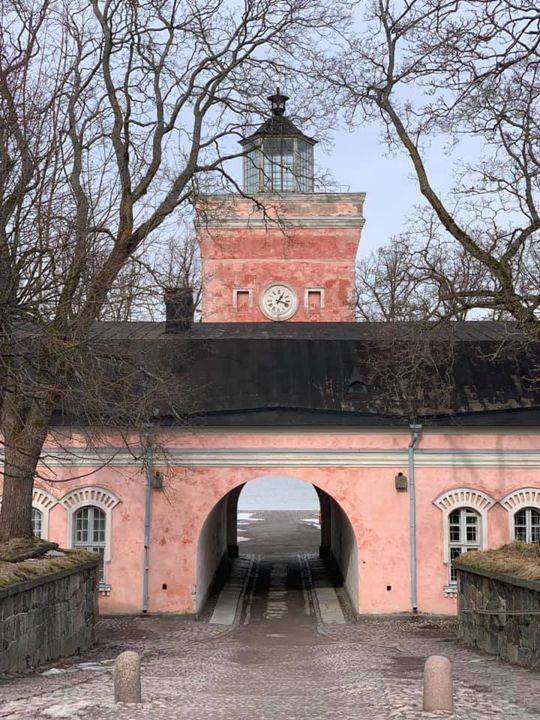
The Suomenlinna Church, built by the Russians in 1854. The very unusual thing about this church that makes it pretty unique is that it doubles as a lighthouse. Now that I mention it, you'll see the connection! That lantern room on top was added in 1929 and is still operational as a navigational beacon. It signal blinks the Morse code for the letter "H" for Helsinki.
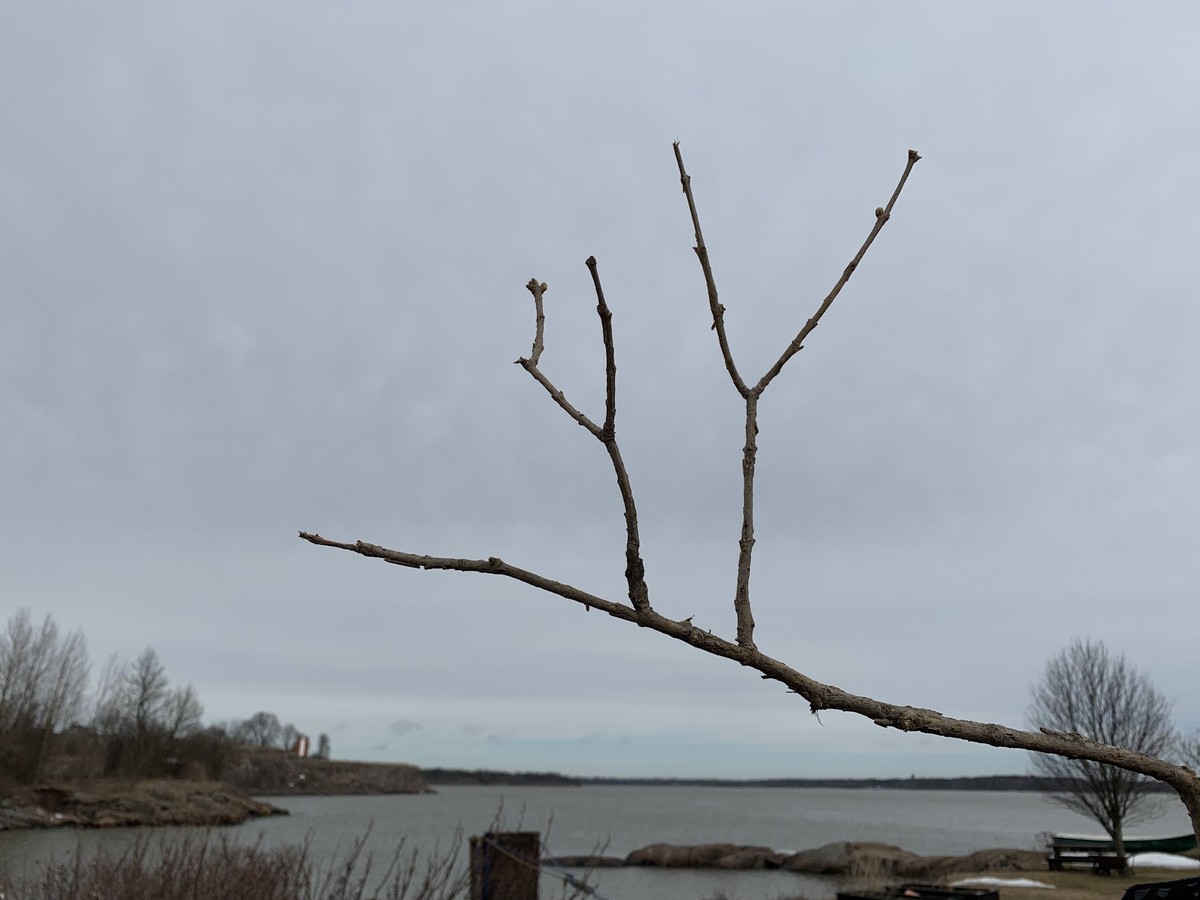
Feels like a very apt branch on Suomenlinna Island, here in this country of 200,000 reindeer. Despite the fact that we are hundreds of km south of where they herd in Lapland, it still feels like we could bump into one anywhere.
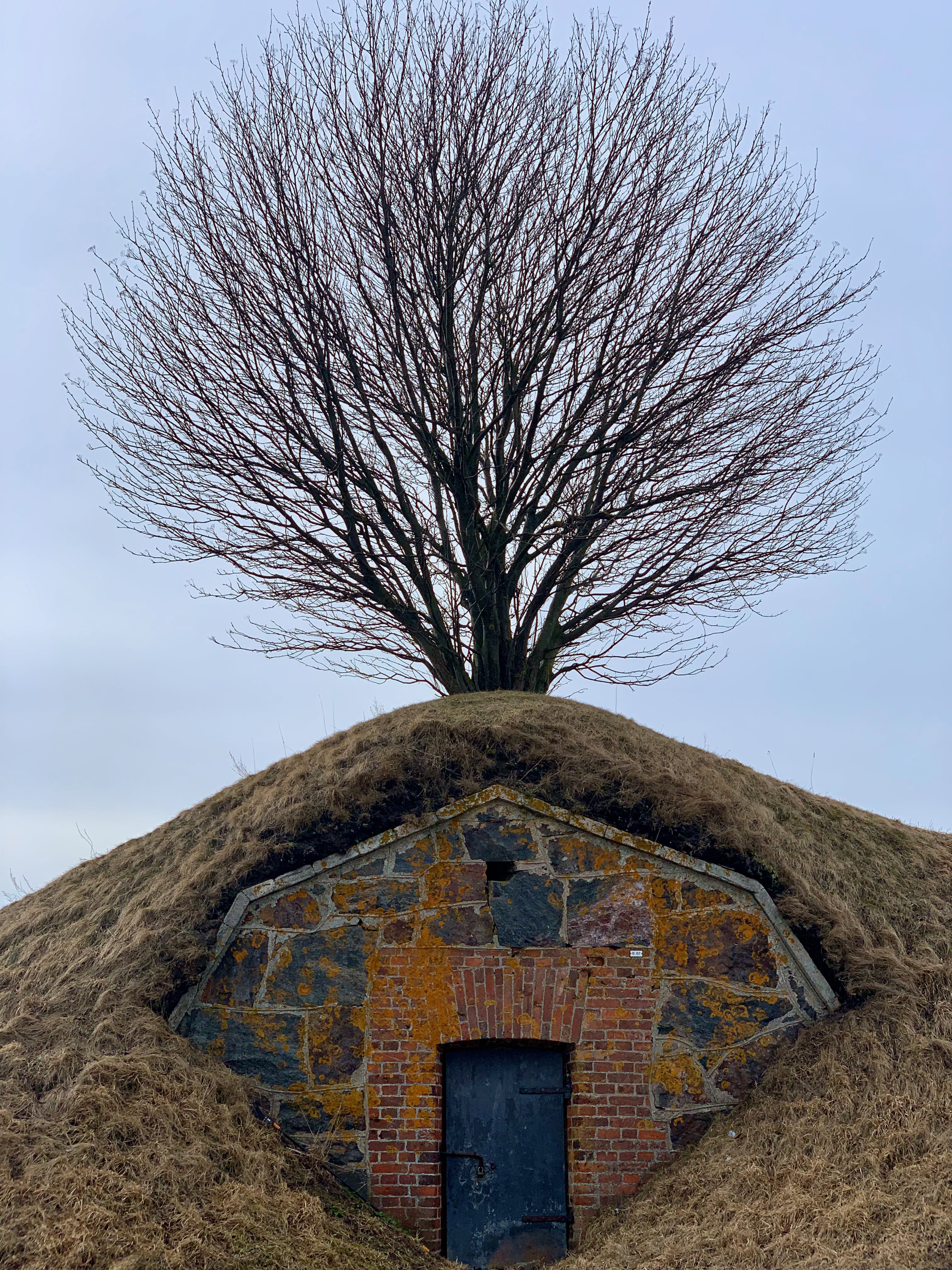
An old gunpowder magazine on Suomenlinna. The magazines were buried under the earth to keep the powder dry and protect it from enemy fire (that would result in a very unpleasant explosion). Of the two that remain here, one is rented out as a party room; no windows, no cell signal...that's a serious underground venue!