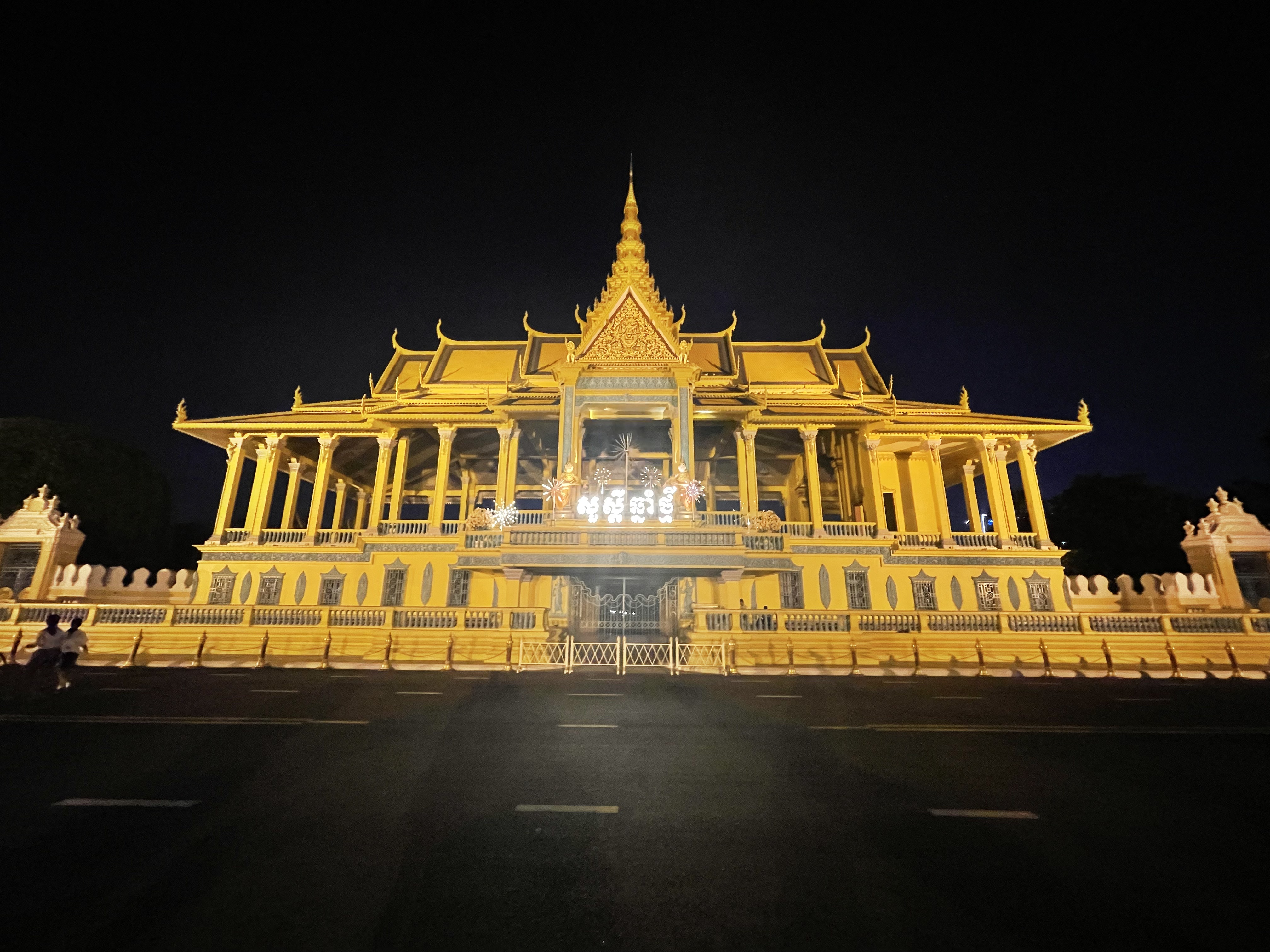
March, 2023
Tragic Phnom Penh
Phnom Penh should be on everyone’s Cambodian travel itinerary. Not because it’s a beautiful city (it’s not), not because the people are lovely and charming (some are), but because its memorials dedicated to the brutality of the Khmer Rouge from 1975-1979 must be seen and felt. Outside of those very difficult visits, what really struck us most was the vibe of the people here as compared to the Vietnamese. The Vietnamese we met were incredibly warm and happy people. They didn’t have much but they seemed genuinely happy and interested in connecting with foreigners. Conversely, there was an edge to many of the Cambodians we met. They didn’t seem content. There’s begging in the street which we didn’t see at all in Vietnam. I have a couple of theories. One is that the Khmer Rouge wreaking havoc on innocent people, on its own people not very long ago, damaged their collective psyche. I really think there’s probably only one or zero degrees of separation between this population and those who suffered during the 1970s and its aftermath. Another theory is that there seems to be much more of a visible gap between the haves and have nots. There are way more fancy cars on the road, way more high-end clothing, jewellery and design stores. While the bulk of the population is poor, it seems their noses are rubbed in it much more so than the Vietnamese. No validation, just my opinion…
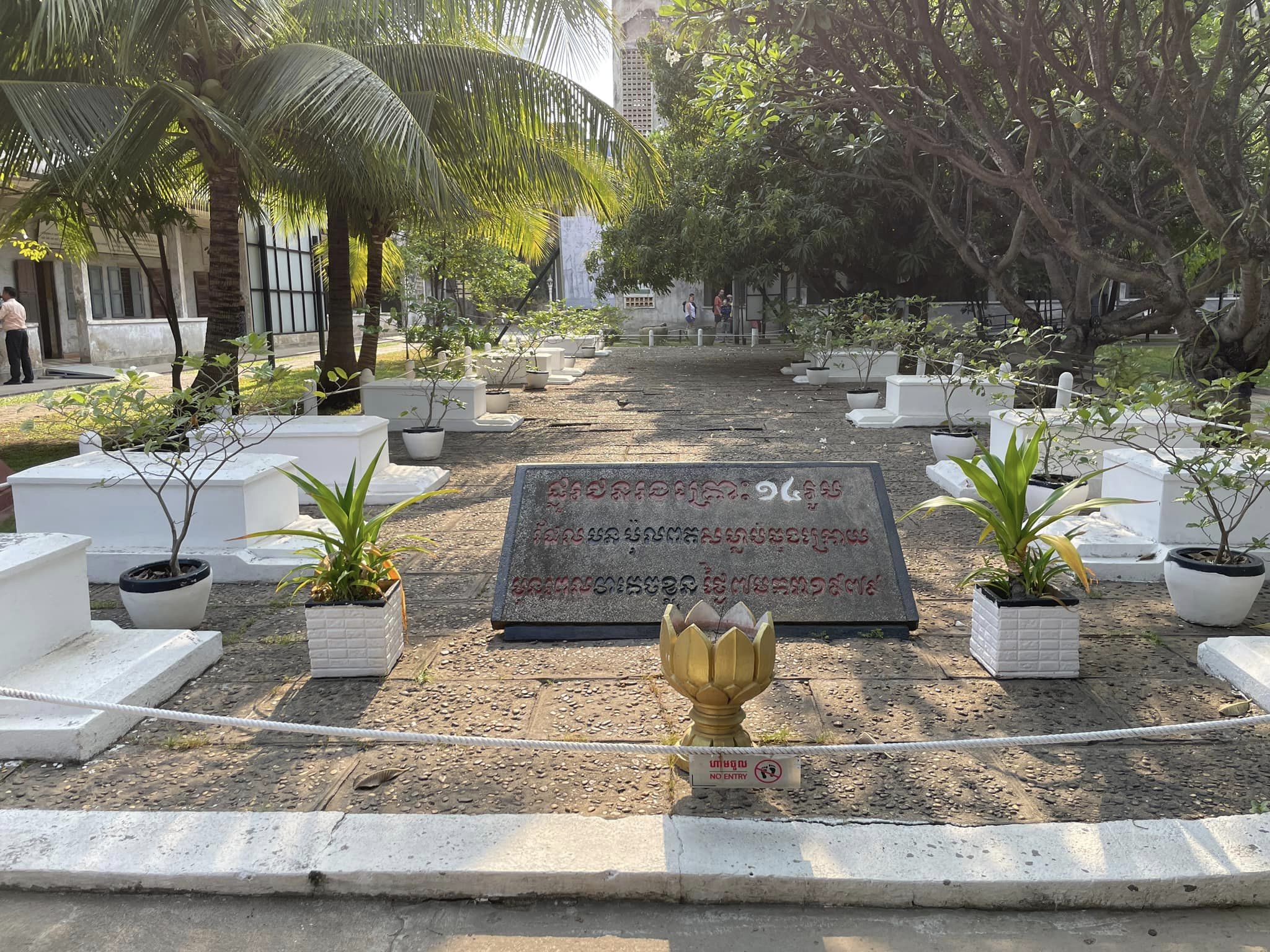
Chao Ponhea Yat high school was used by the Khmer Rouge from 1975-1979 as Security Prison 21 (S21), one of between 150-200 interrogation and torture centres. The last 14 victims are buried here on the site of brutal torture of innocents. Saloth San, aka Pol Pot (a nickname meaning "The Cambodian”) was born to wealthy landowners and went to a private Catholic school. He went to France in 1950 on scholarship to study radio electronics but seemed to be more interested in crafting his form of radical communism. He failed and came back to Cambodia in 1953 without a degree. Not something to be proud of as a scholarship recipient of strict parents. He and others ultimately formed the communist party of Kampuchea in 1960 and the party's armed wing, the Khmer Rouge, arrived in Phnom Penh on April 17, 1975 after seizing power from the government, and within three days the city of two million people was emptied. The Khmer Rouge was striving for a cashless communist state based on a rural agrarian economy. People were sent to work in the fields with no rest and little food at “collective farms” but really it was forced labour where many were literally worked to death. Pol Pot isolated the Cambodians from the external world, abolished money, private property and religion. Pretty much anything could result in a person being sent to S21 or one of the other torture centres: city folk, intellectuals, wearing glasses or having soft hands. A couple not consummating a forced marriage (there was a need to grow a loyal population fast!)…they were watched…would result in a death penalty. Interestingly, he exterminated all teachers (perhaps because he was an academic failure). This site has been converted into the Tuol Sleng Genocide Museum.
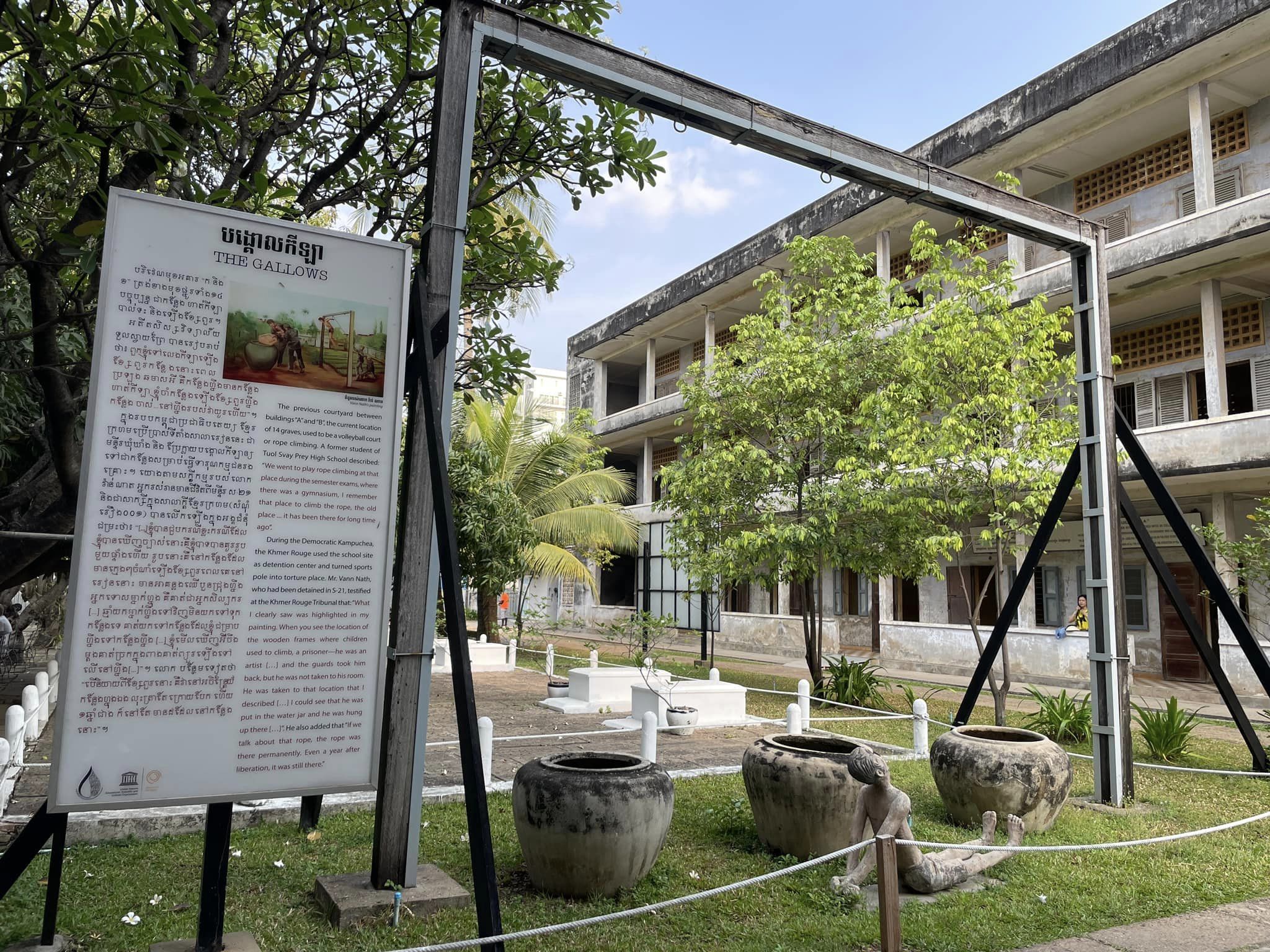
The torture was so unbearable that prisoners made false confessions to end it. The Khmer Rouge used existing equipment at the school, such as this gym equipment, for torture, in addition to classic torture techniques such as water boarding, sleep deprivation, pulling finger nails out, electric shock and “medical experiments” without anaesthesia. It’s just so hard to imagine how people could blindly follow such evil but they would have been killed if they didn’t.
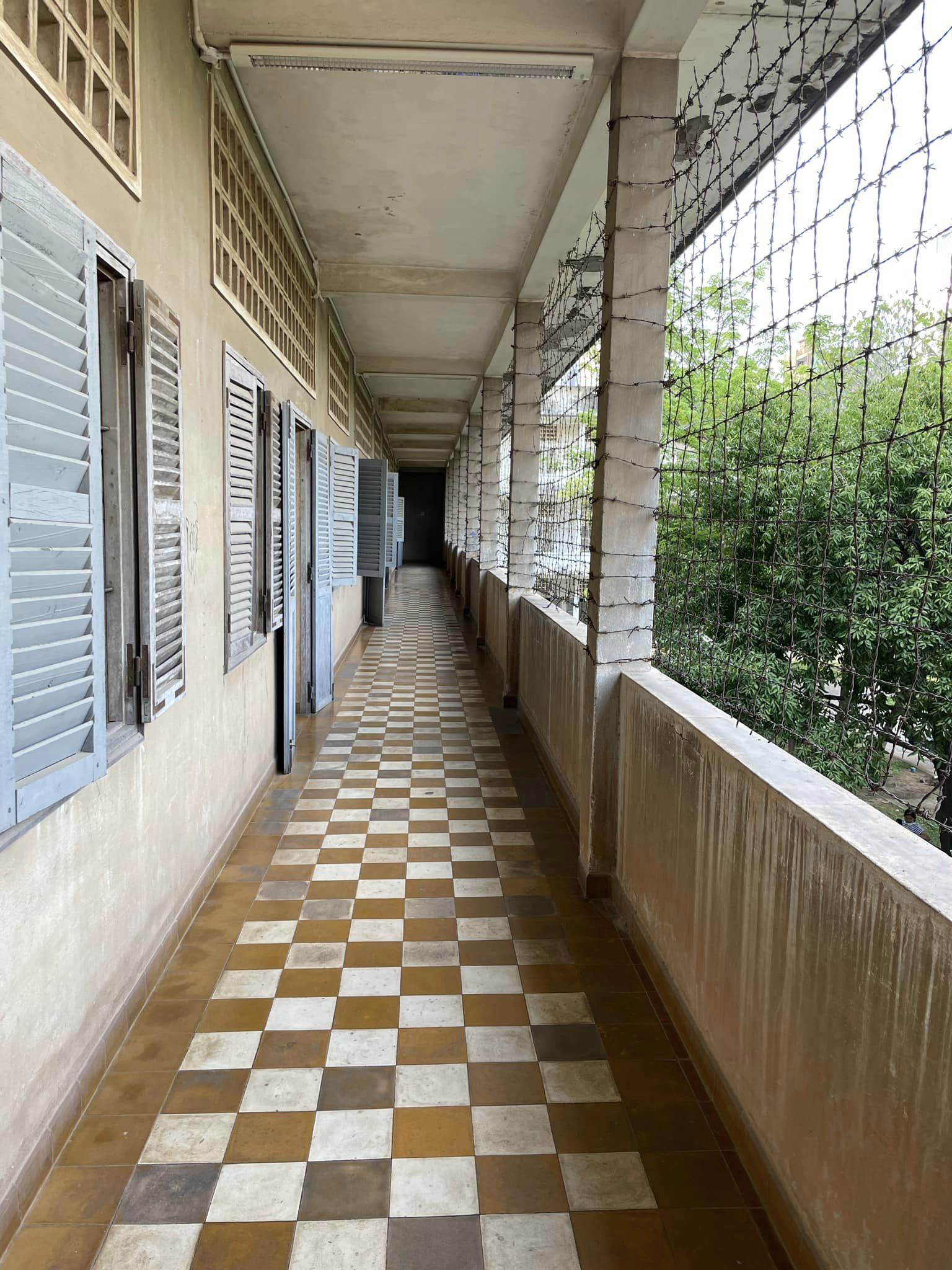
The buildings were wrapped in electrified barbed wire to prevent the desperate prisoners from escaping or jumping to their deaths.
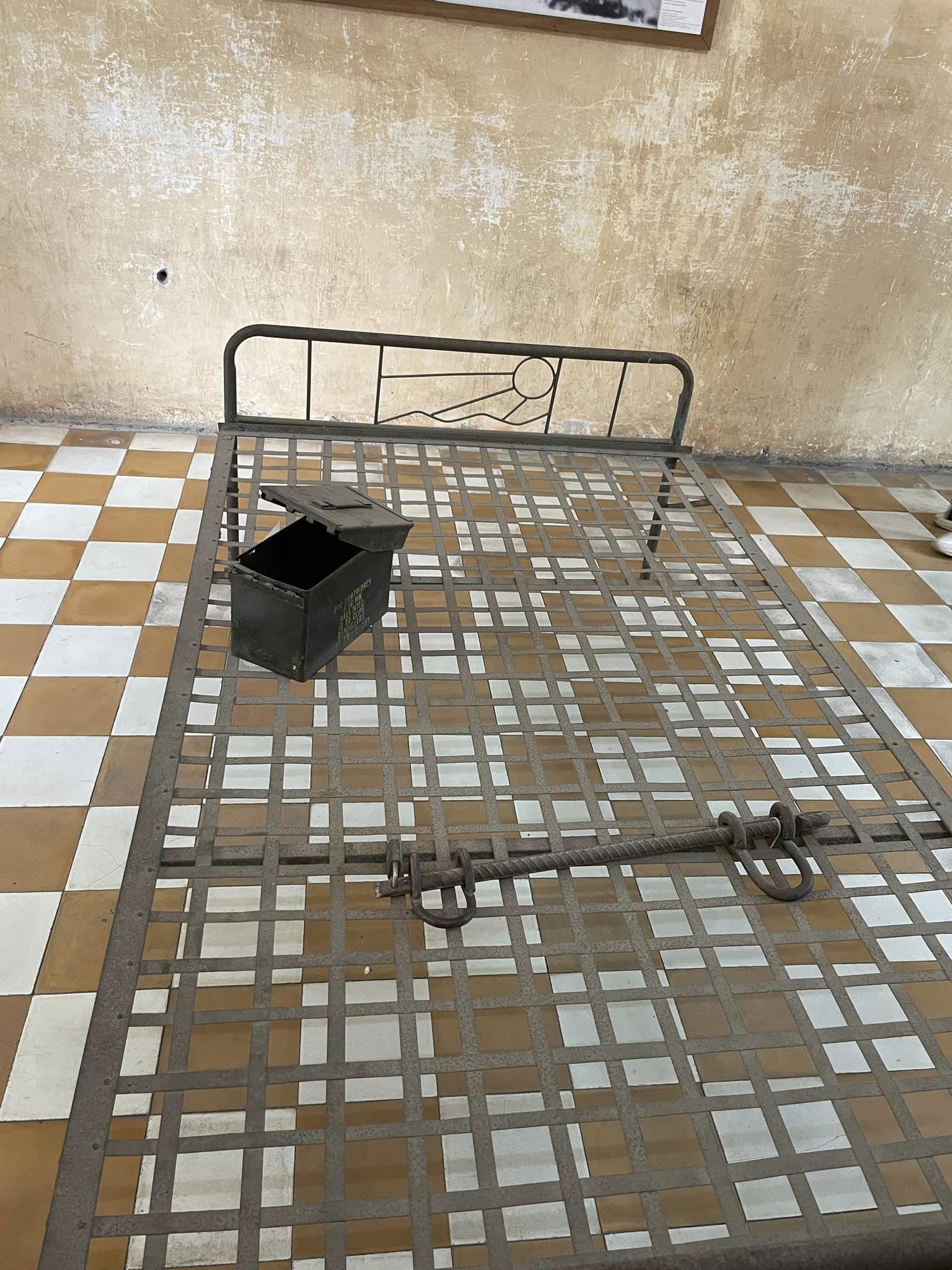
This type of cell was reserved for high ranking officers. The Khmer Rouge went after anyone they felt was a threat, from ordinary people and peasants to former government officials and even those thought to be disloyal among its own ranks. People were shackled using these irons and were left with a box for their excrement, which they were often forced to eat.
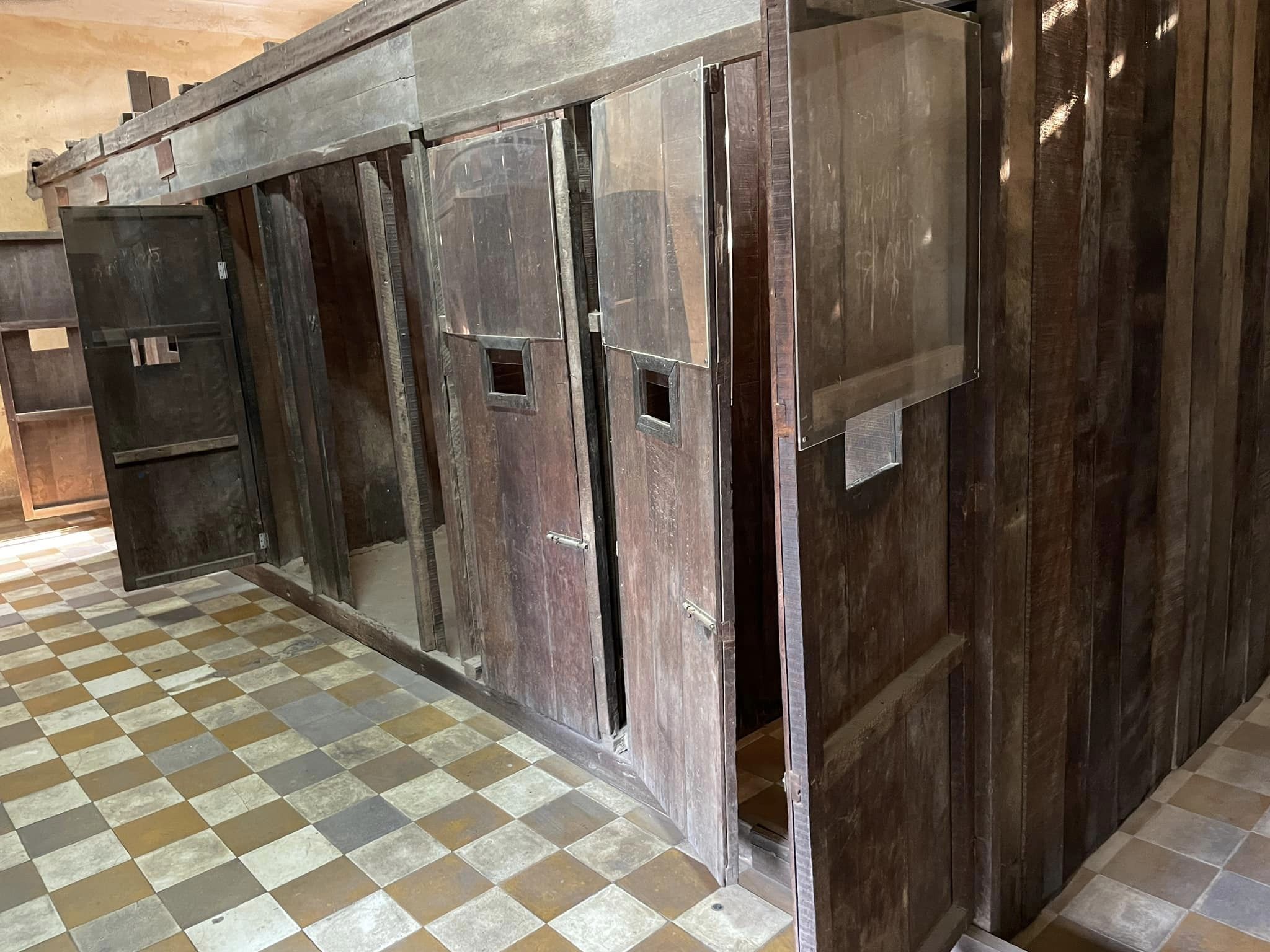
Most people were held in these single cells, either built out of wood or brick. Slightly larger cells were for women with babies. No talking allowed. An estimated 20,000 people were tortured in this one location between 1975-1979, including some Westerners such as journalists. All were then put into trucks in the dead of night and taken to what they were told was new housing. In reality they were sent to an extermination camp called Choeung Ek, also known as the Killing Fields.
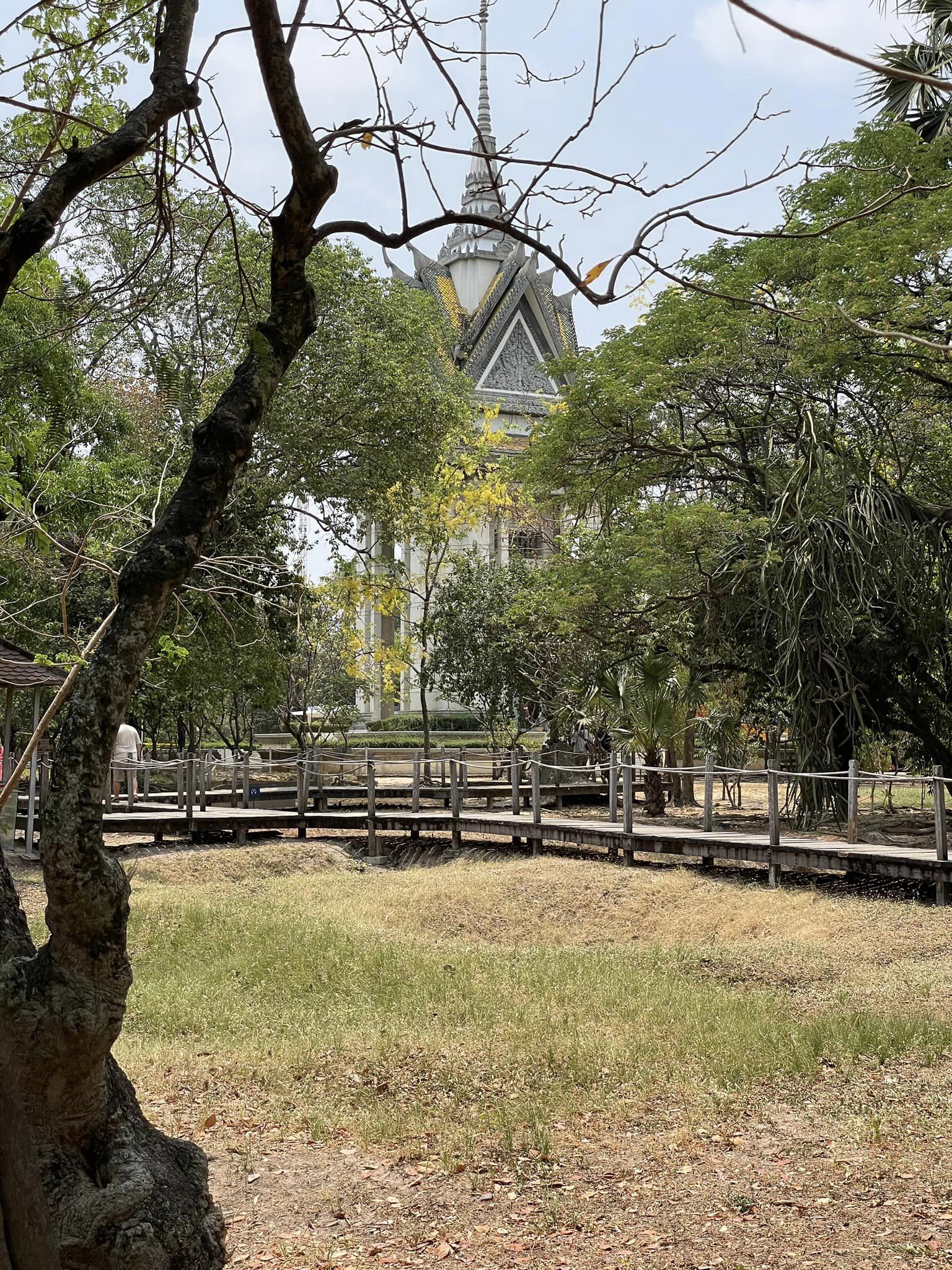
The dips in the ground are the remaining evidence of the mass graves at Choeung Ek, one of 393 killing fields of the Khmer Rouge. Every few weeks 50-70 people were brought here from S21 on trucks and were killed the night they arrived. By 1978, trucks came every day with as many as 300 people. Bullets were expensive so the regime used everyday tools to beat people to death. Pol Pot said it was “better to kill an innocent by mistake than spare an enemy by mistake”. DDT was scattered over dead bodies to get rid of the smell so as to not arouse suspicion of people living and working nearby. Another reason was the chemical would kill anyone who was still alive after being thrown into the mass grave.
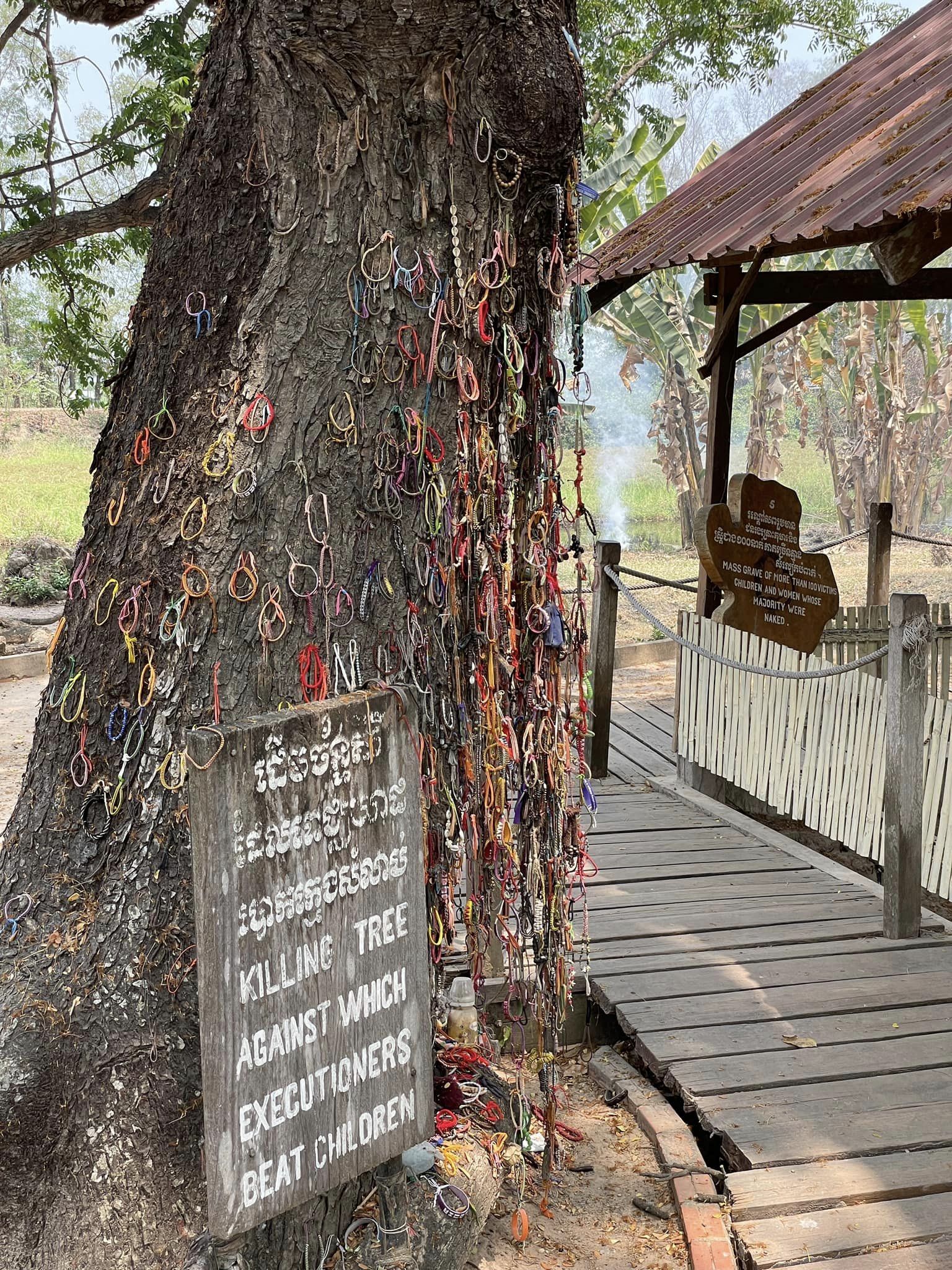
This tree was used to kill babies and children by smashing their heads against it. Why children? Entire families were arrested and killed so that nobody would be left alive to seek revenge.
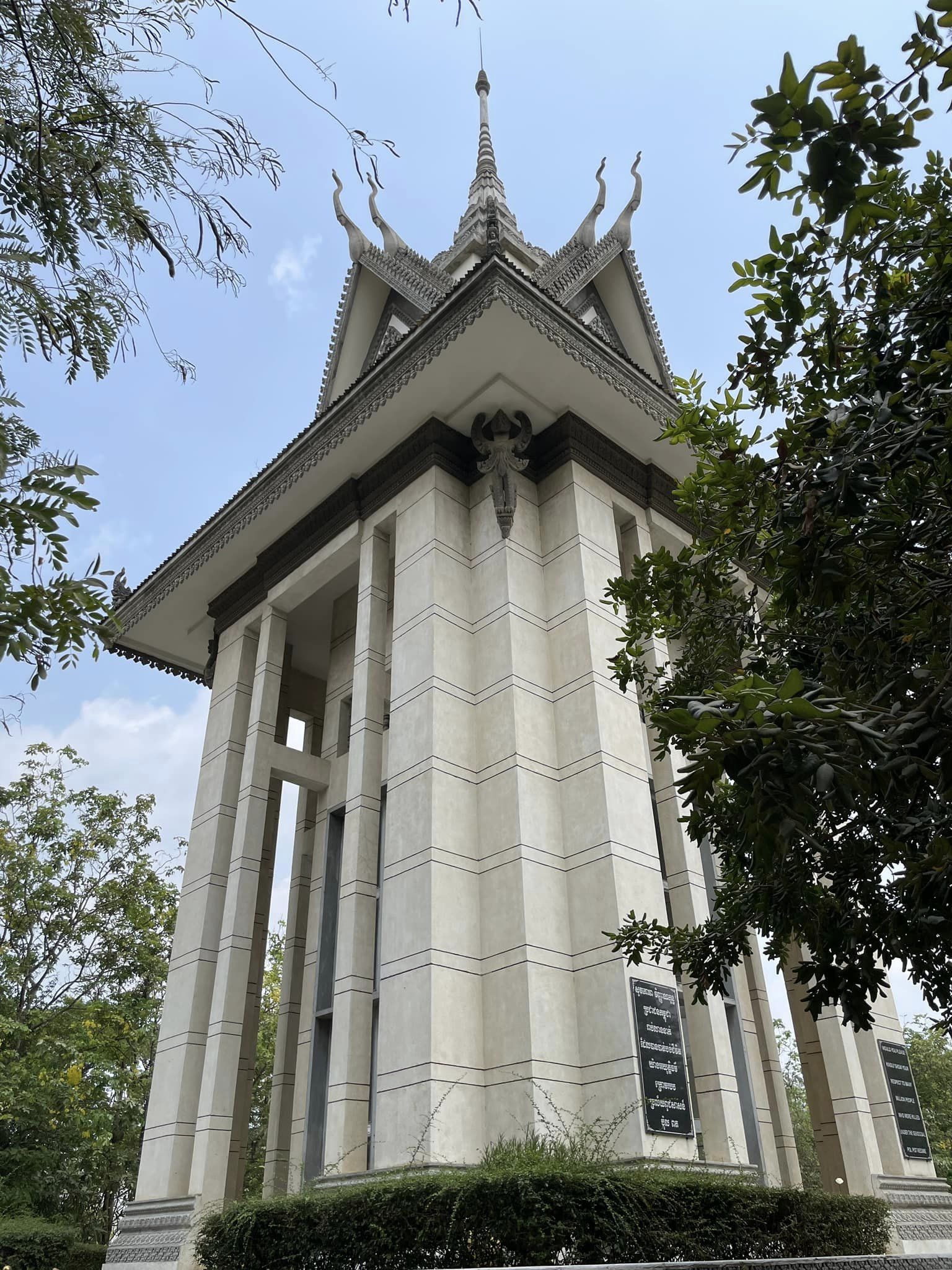
When the Khmer Rouge was pushed out by the Vietnamese and these Killing Fields were discovered, 89 of the mass graves were dug up to give the victims a proper burial. The rest were left, some say to not further disturb the victims, while others say because the government didn’t want to acknowledge the full extent of the genocide. Two million people (one quarter of the Cambodian population) were killed between 1975 and 1979. This memorial stupa was built to commemorate the victims. It has 17 levels, the first ten of which display skulls that were retrieved. The upper levels are for other bones. Smaller bones were left in the earth as there is not enough room to display all. During the rains, bits of bones, teeth and fabric come to the surface of the ground and are collected by the keepers of the memorial site. Countries around the world are getting better at owning their disgraceful pasts and creating memorials and museums to be transparent about their home grown atrocities. While on the surface, this may seem to be the case with Cambodia but the reality is different. The people visiting the Cambodian memorials are tourists and the genocide that took place in this country is not well-taught in schools. Our guides were clearly nervous talking to us about politics or being critical of the government.
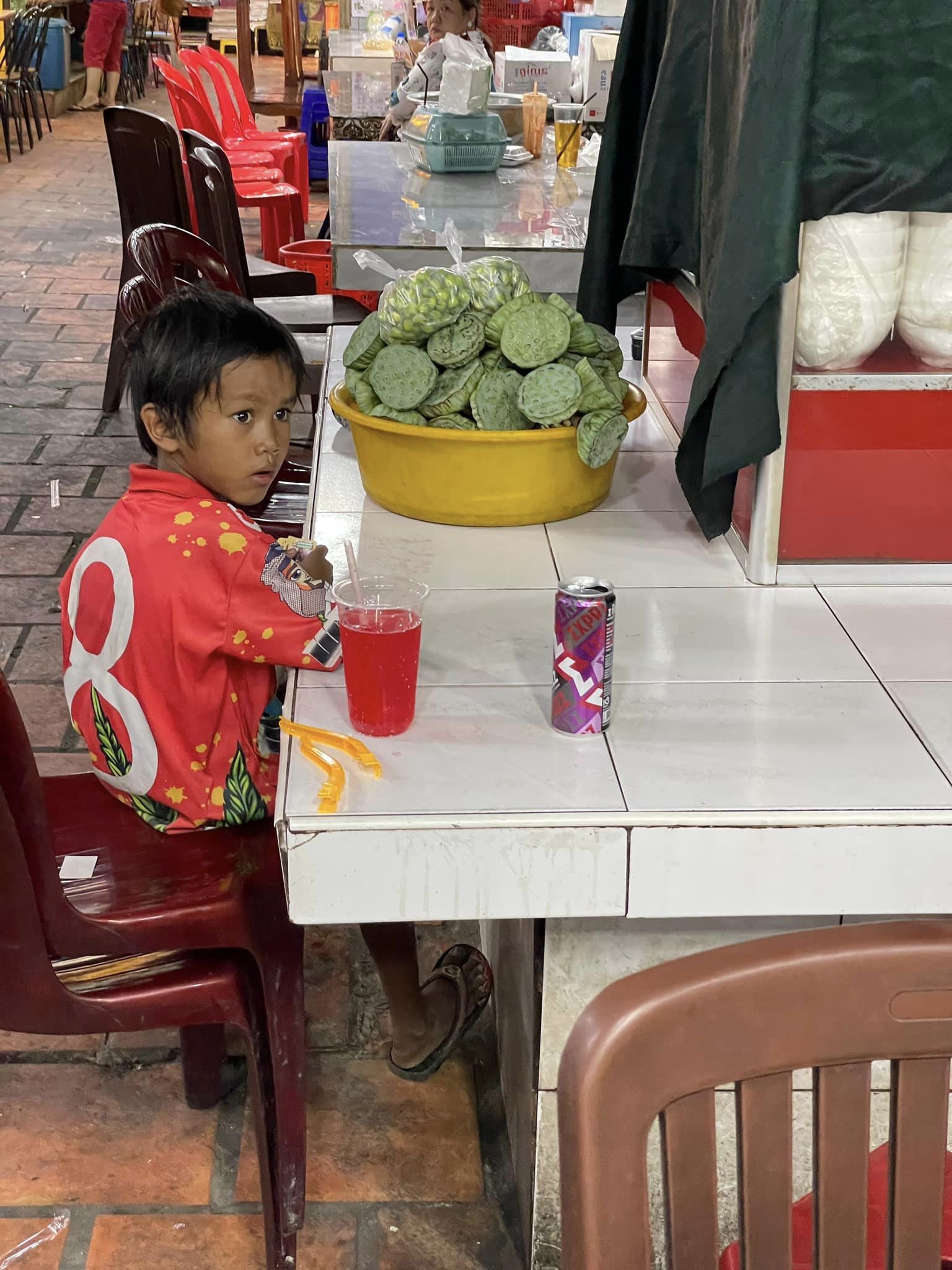
Phnom Penh wasn’t just about the Khmer Rouge. Let’s put some hope in the next generation. This little guy was playing with a deck of cards and having a break from selling lotus seeds.
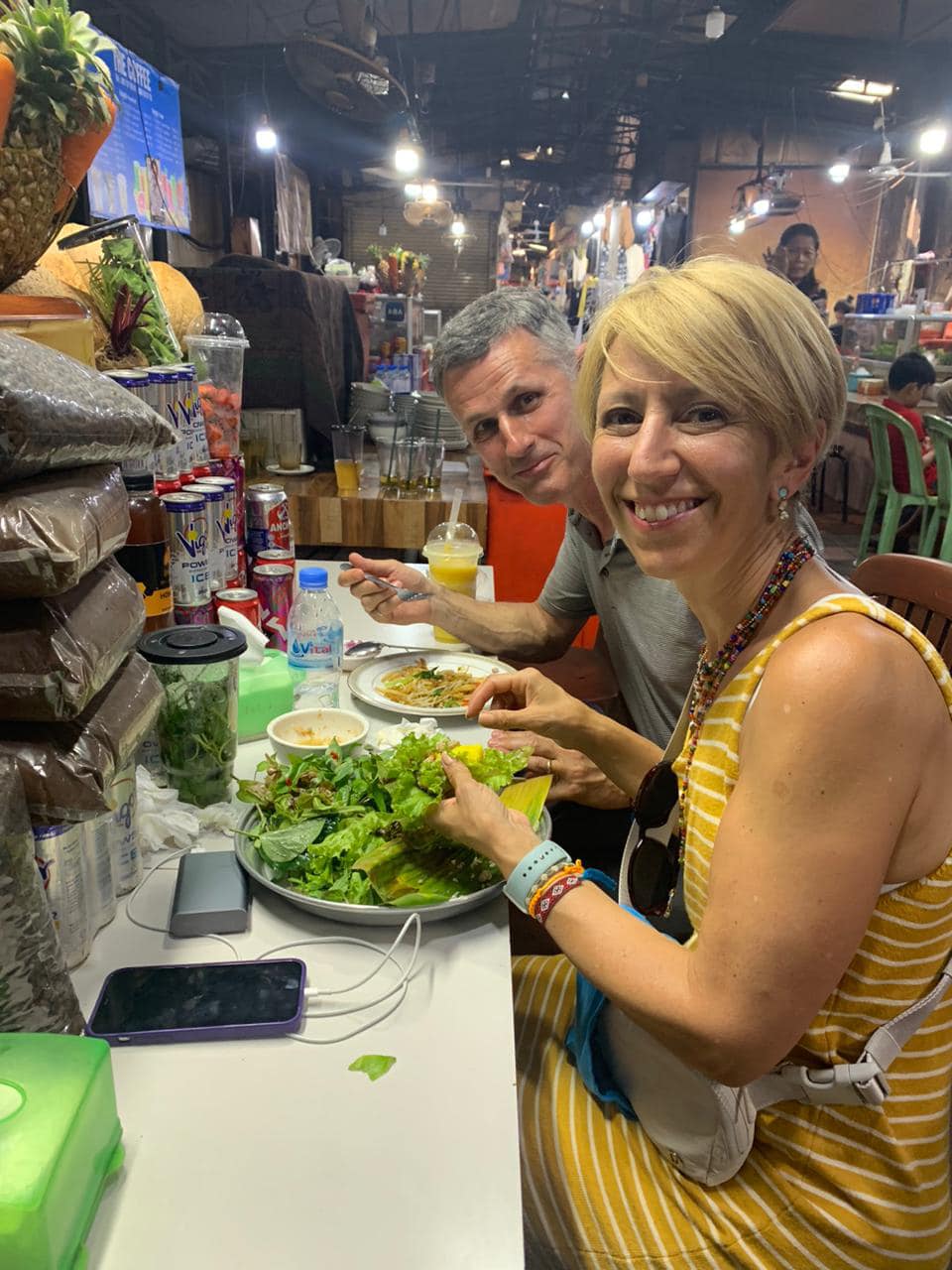
Fabulous lunch at the Russian Market. What’s with the name? Tuol Tom Poung was built in the communist early 1980s as a place for the large local population of Russians to shop. At the time, it was full of Moscow’s Cold War goods. You won’t find old Russian stuff now, but this market is chock full of everything else. If you need motorbike parts, you can come here and also pick up clothing, shoes, bedding, jewellery, Cambodian artefacts and food galore…definitely a shopping slippery slope!
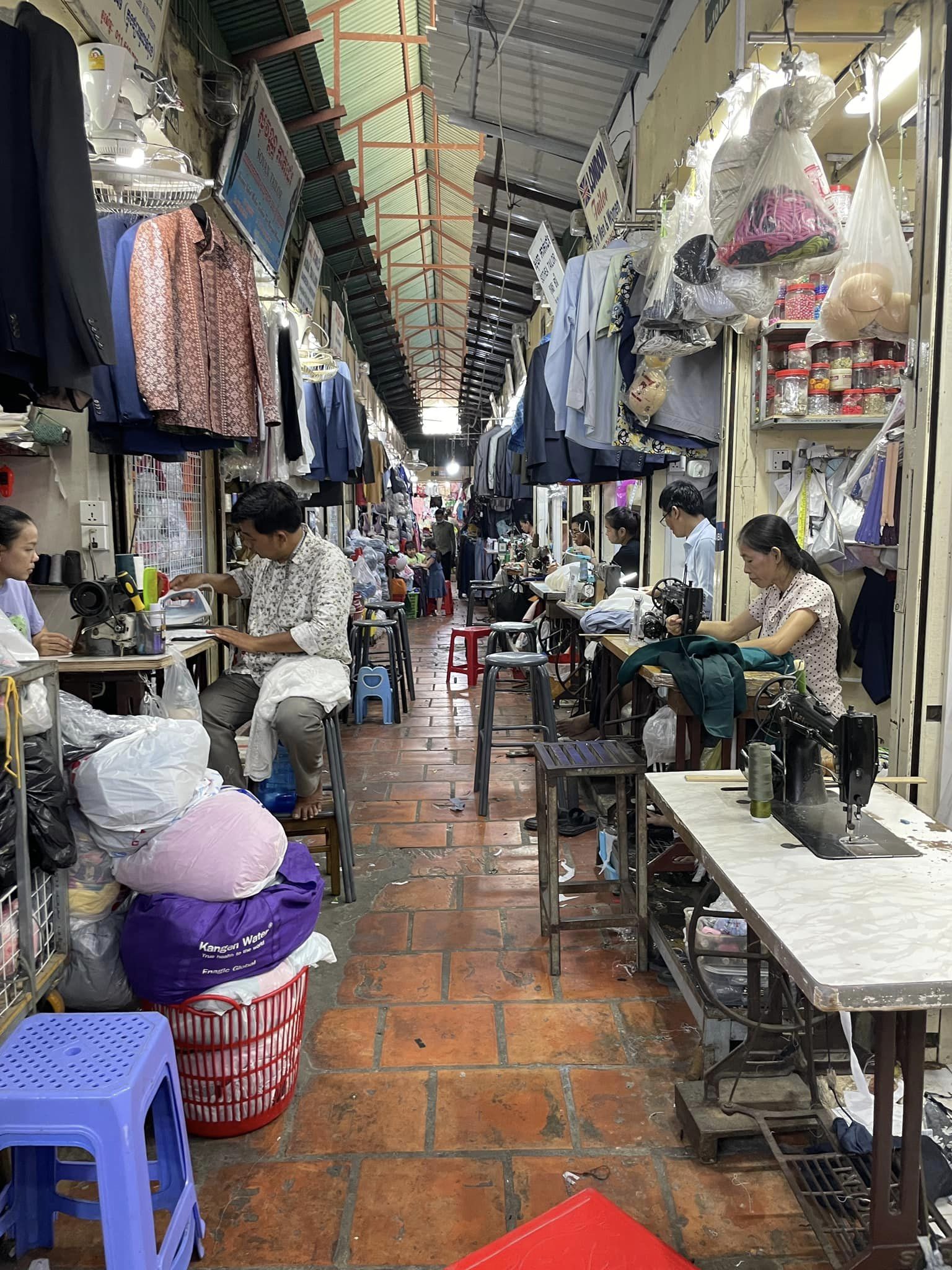
Sewing aisle in the Russian Market.
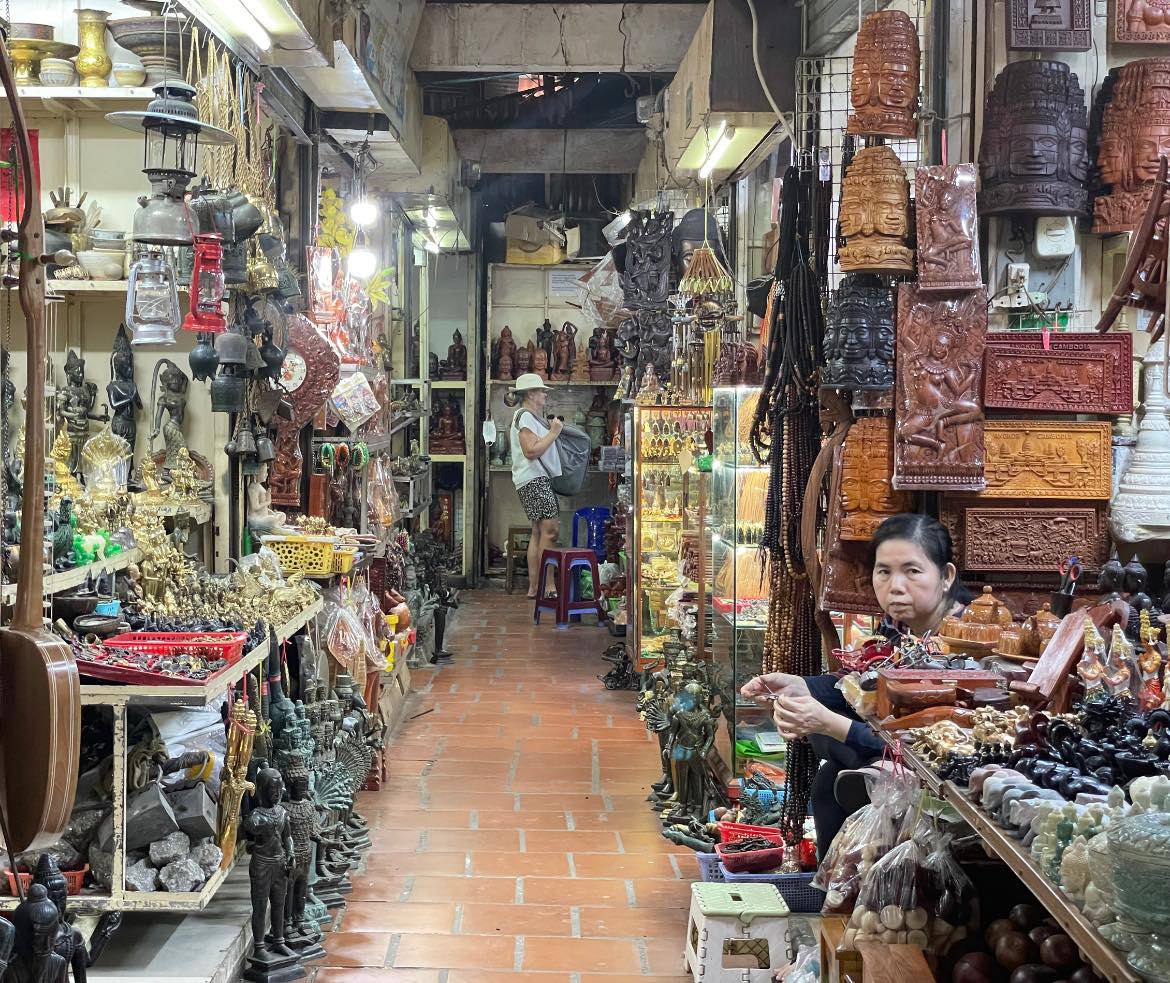
Not busy…not impressed…
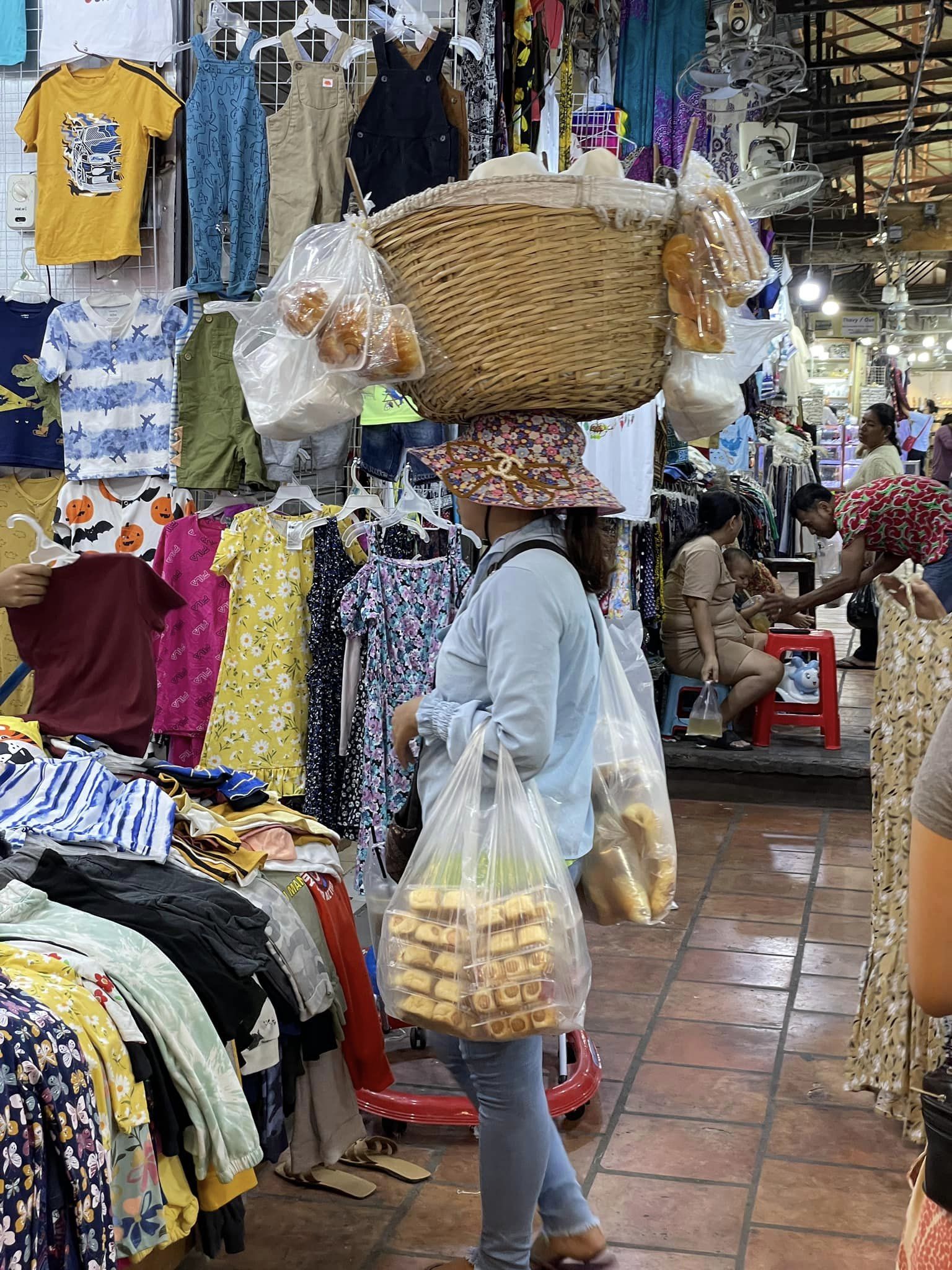
When your hands are full…
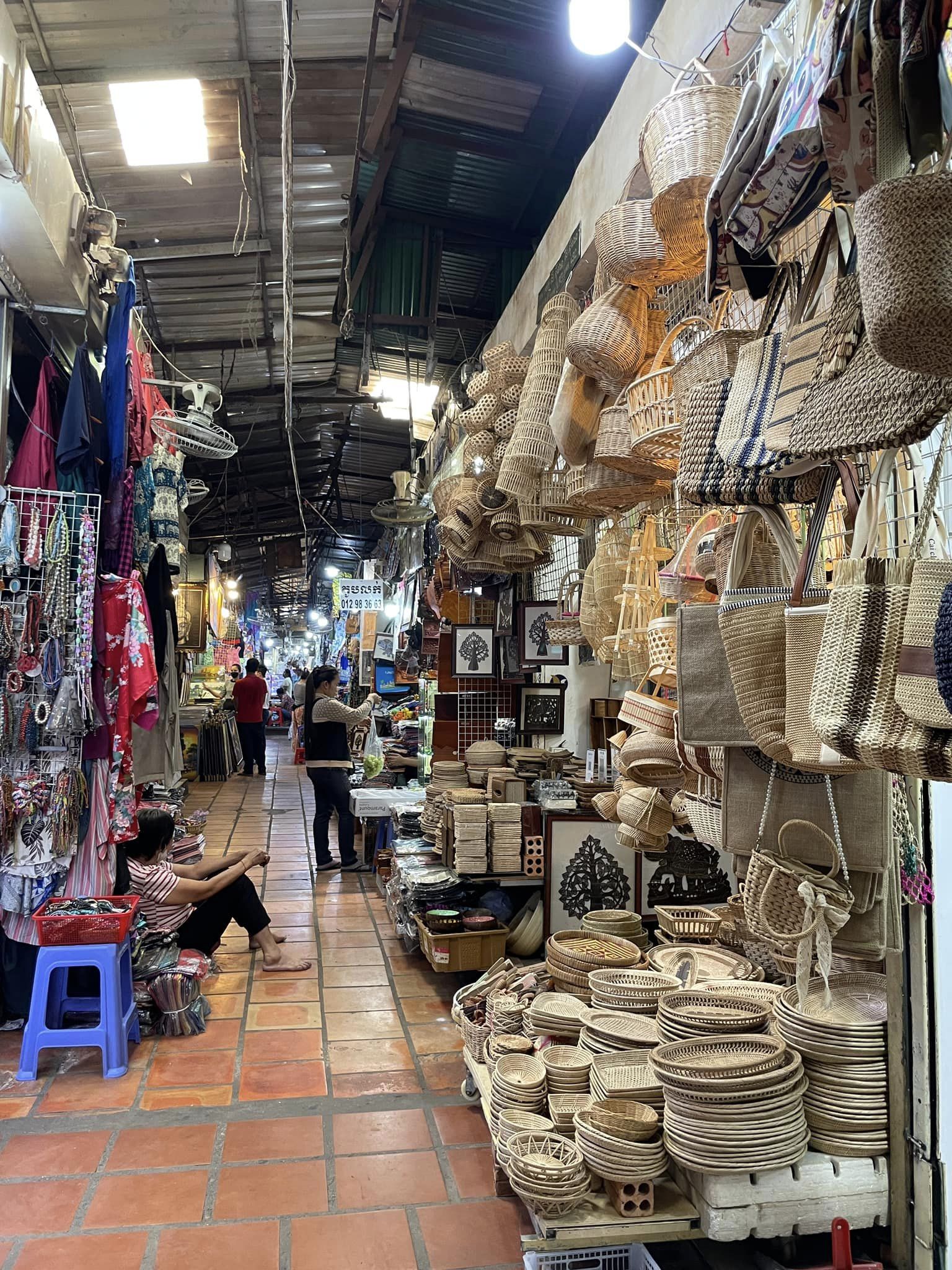
This place is packed with stuff. It’s low season right now and I can’t imagine it packed with people too!
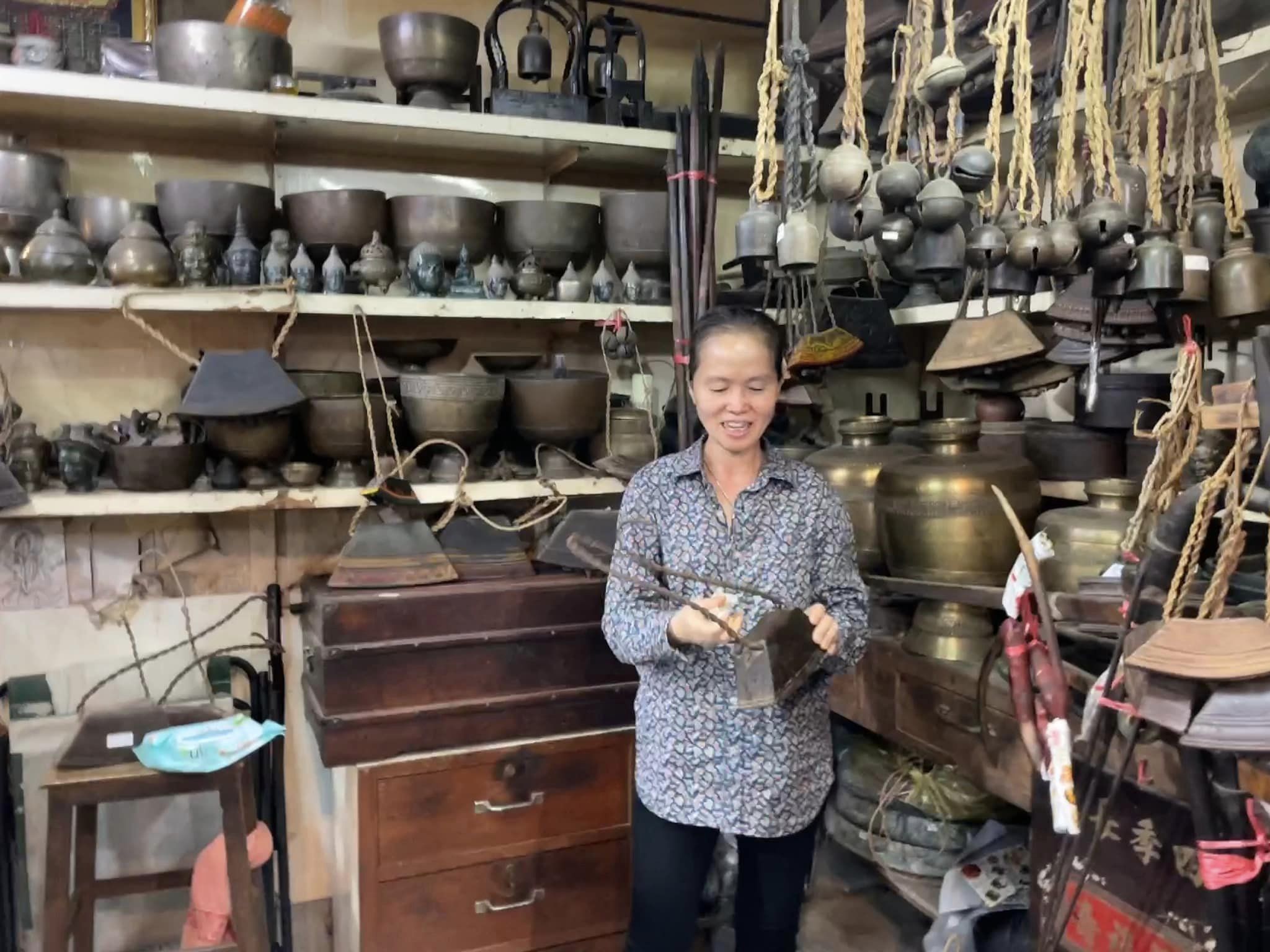
This lady’s grandmother started her business selling bells in 1980. When she died in 1989, she left her shop to her granddaughter who has been here ever since. She's holding a wooden water buffalo bell. The small, dome-shaped bells above her are baby elephant bells. We brought home one of each.
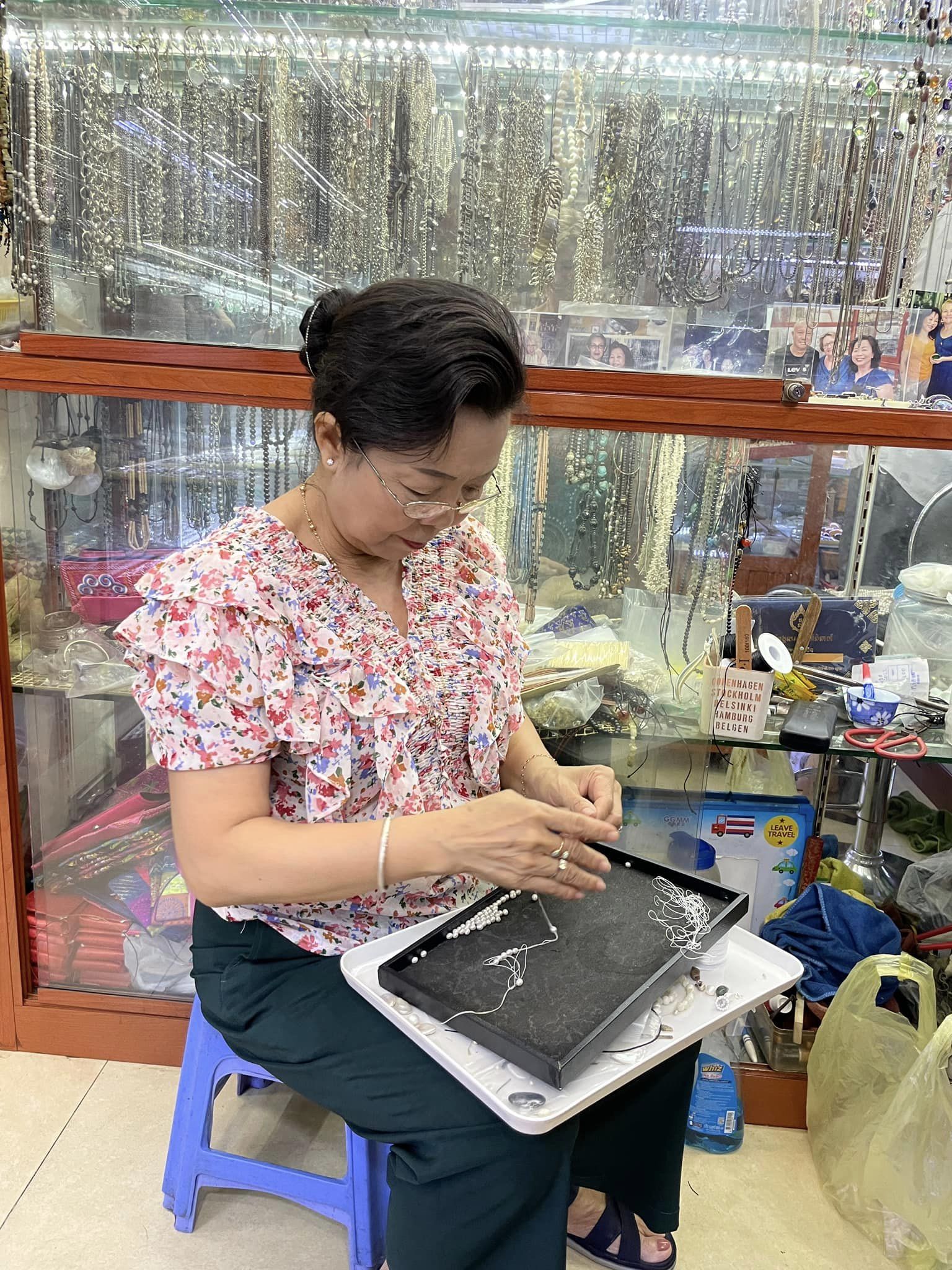
This lady has had her jewellery shop in this spot for 42 years. She farms out some of the work but is always willing to string some pearls on the fly for customers.
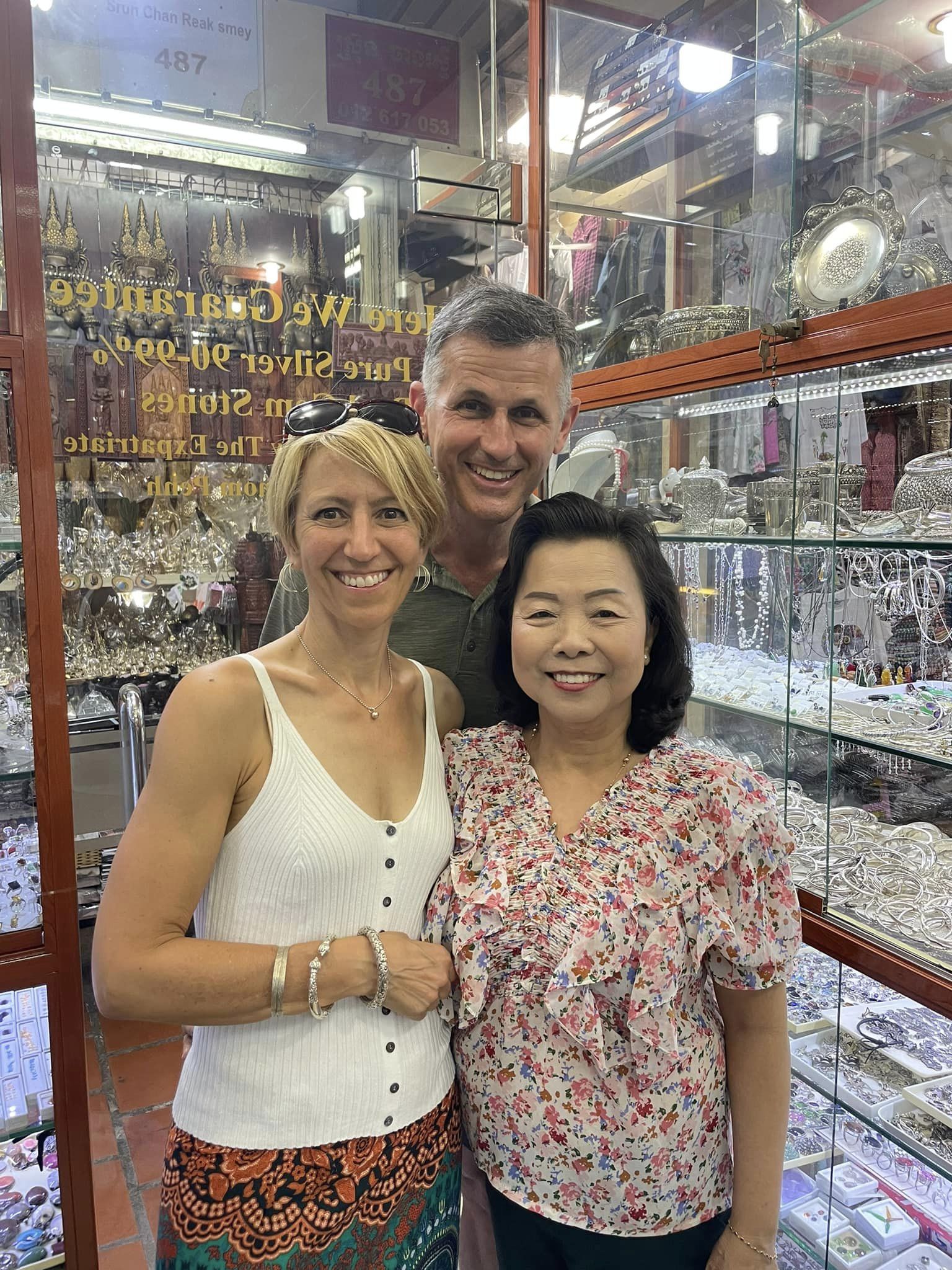
Amid the array of necklaces, bracelets, rings and assorted silver sundry were some real treasures!
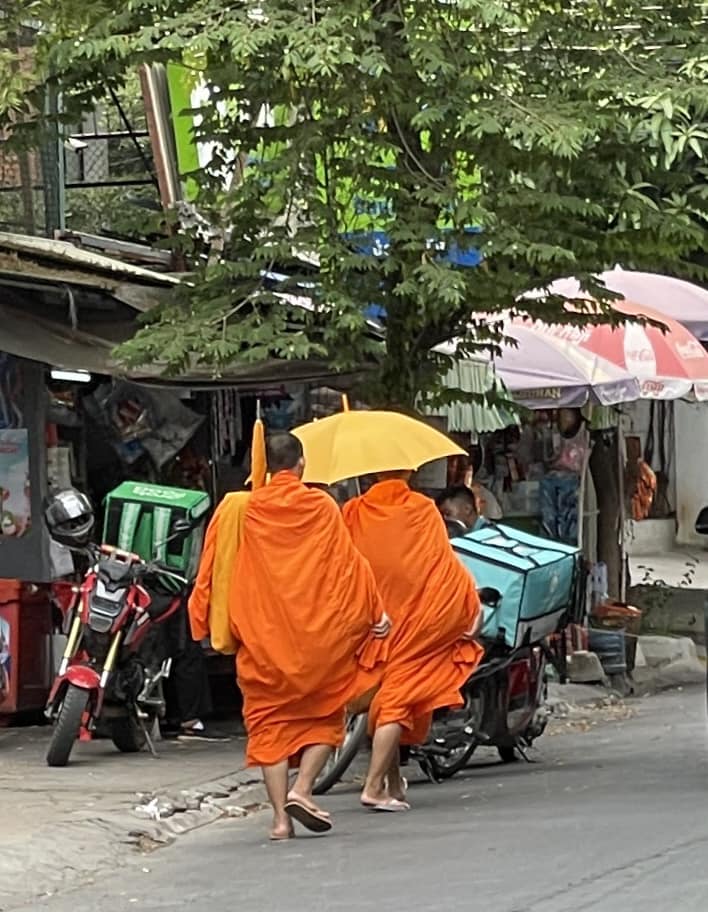
A splash of colour in the street.
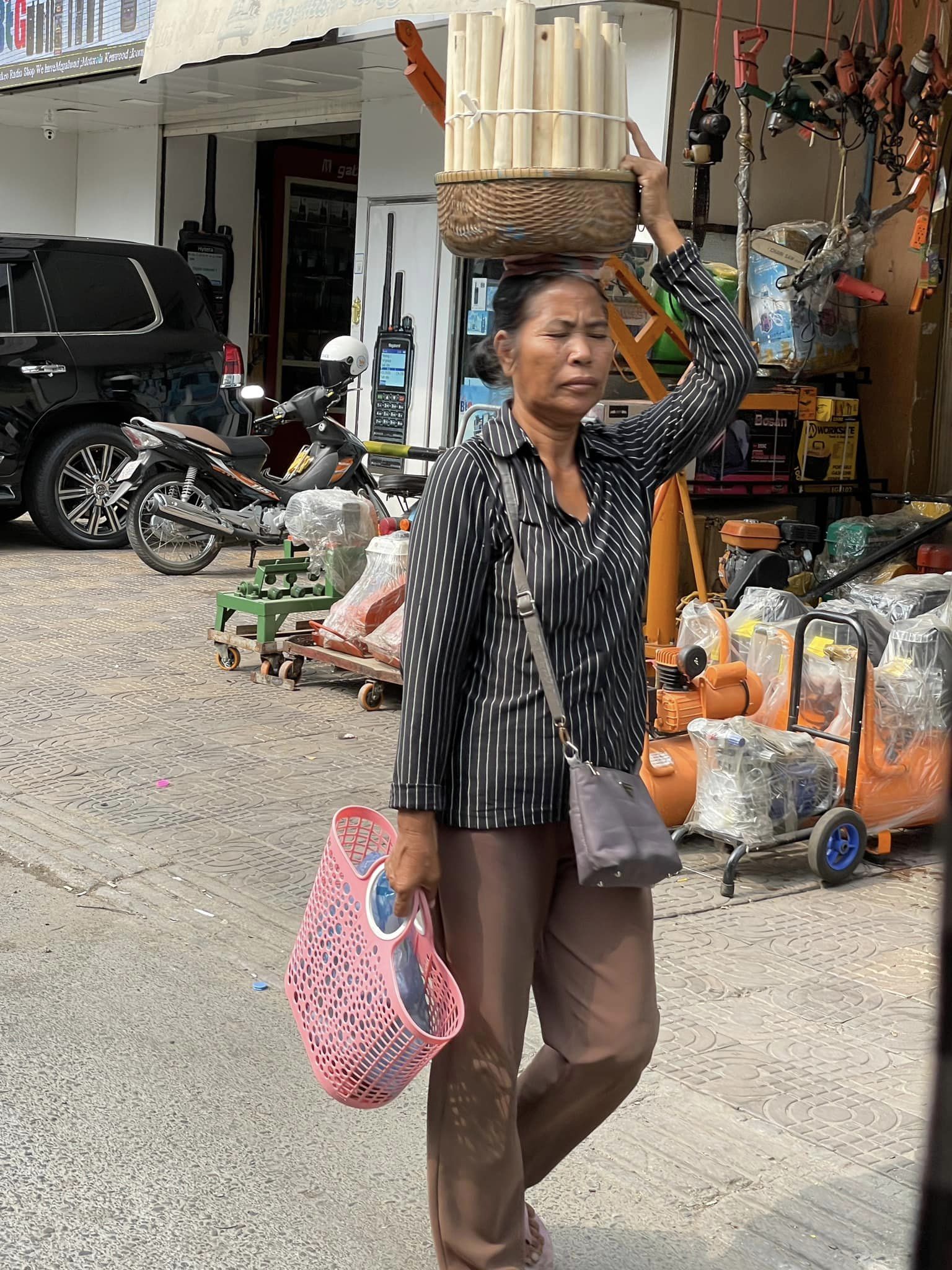
Carrying sugar cane.
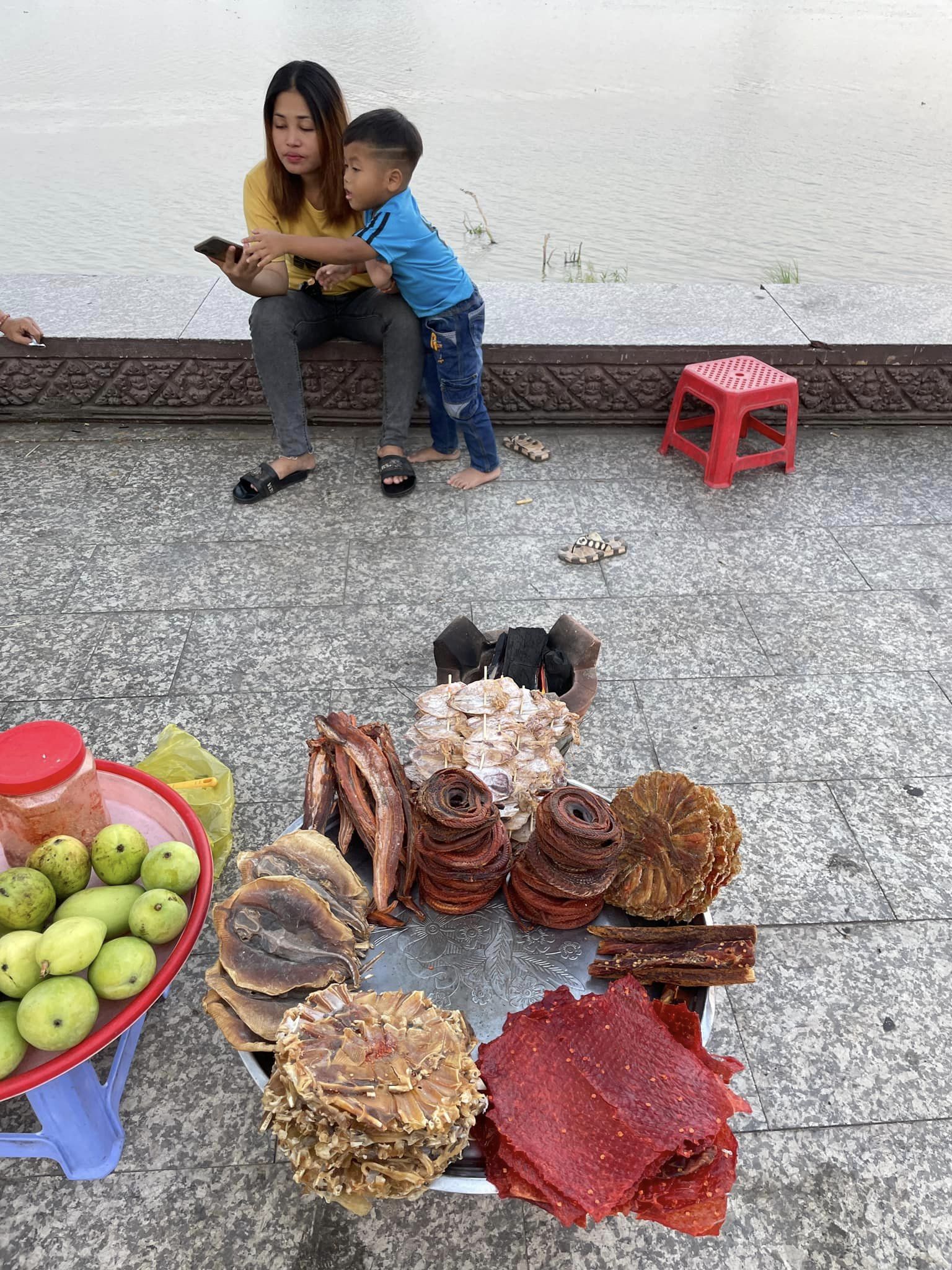
Coiled up roasted snake anyone?
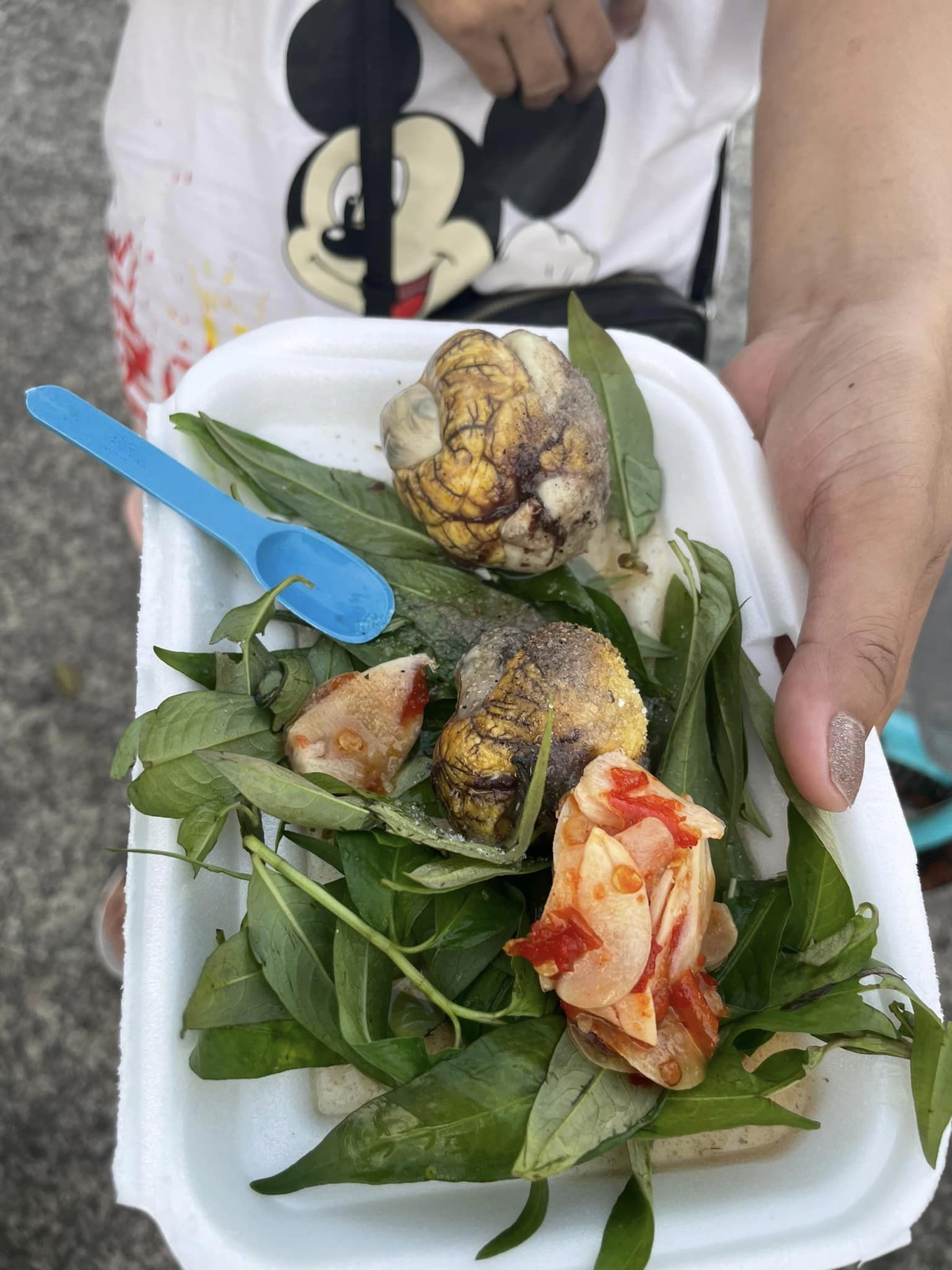
Or perhaps some boiled “beyond egg but not quite chicken”. The woman who had just bought this from a street vendor by the river said she’s the only one in her family who will eat this. Her husband and son won’t go near it!
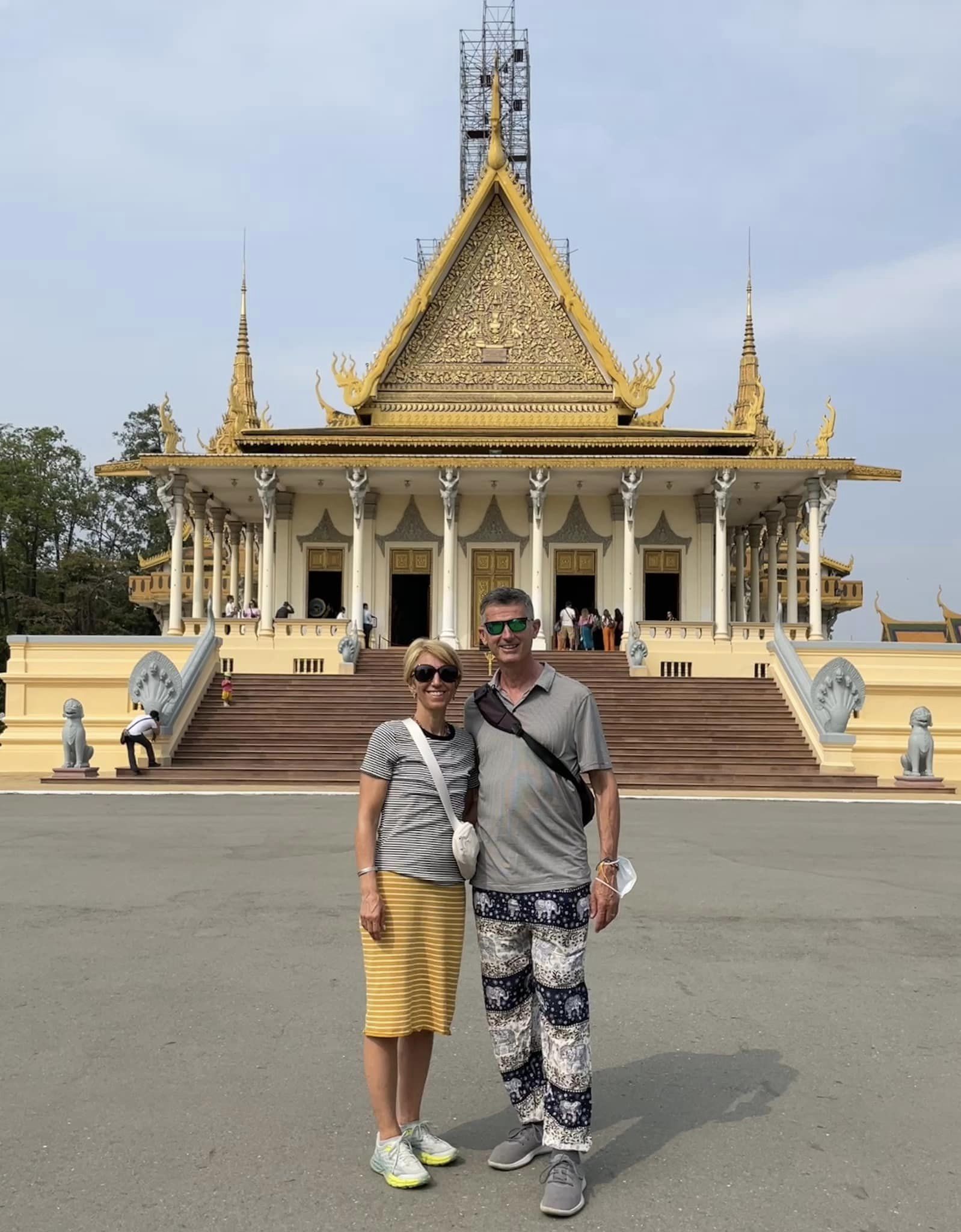
The Royal Palace in Phnom Penh is a massive, riverfront complex of palaces, shrines, stupas and excess. The King in Cambodia is kind of like our king; he’s just a figurehead and the Prime Minister takes care of business. This palace is relatively new (1866) as the seat of Khmer power did some moving around after being in Angkor for over 600 years until the mid 15th century. Then it bounced around for a few hundred years before setting down roots in Phnom Penh. You can’t go inside most buildings but can peek through windows, and can’t take pictures through said windows, so not much more to show than some cool architecture. Like our outfits? There’s a shrine here so attire must be “appropriate”. The Silver Pagoda is actually filled with very heavy solid gold Buddhas (there’s a life-sized one weighing in at 90kg), encrusted with lots and lots of diamonds (9,584 on that 90kg heavyweight Buddha) and other gems. It’s called the Silver Pagoda because its floor is made up of 5,000 carved silver floor tiles.
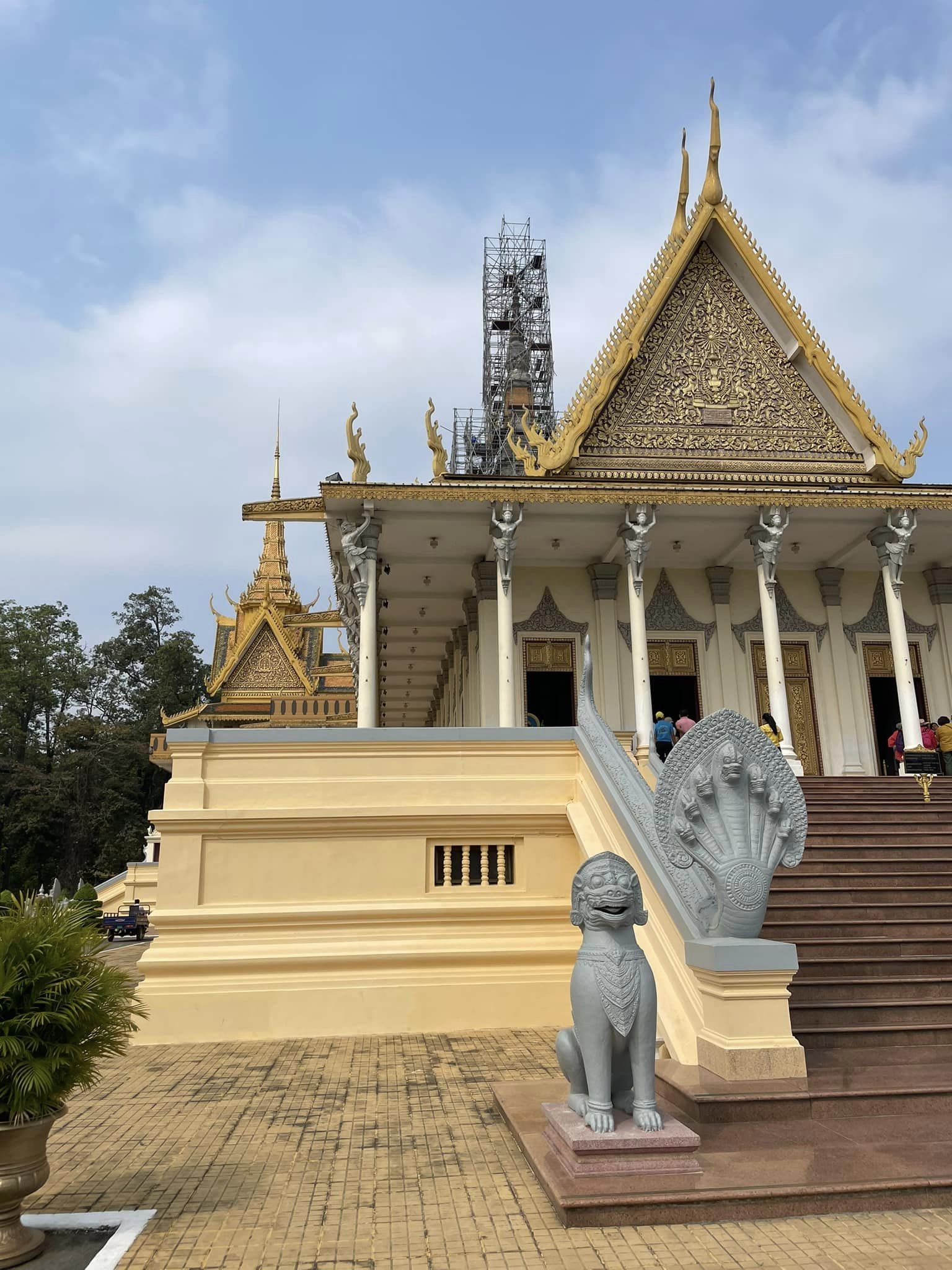
The stairs leading up to the Throne Hall are flanked by a pair of Nagas. This mythical, seven headed serpent is said to have married an Indian Brahmana named Kaundinya, and their union resulted in the birth of the Cambodian people. Some locals still say that they are born from the Naga. And those curvy pointed bits on the rooftops? The tail of the Naga!
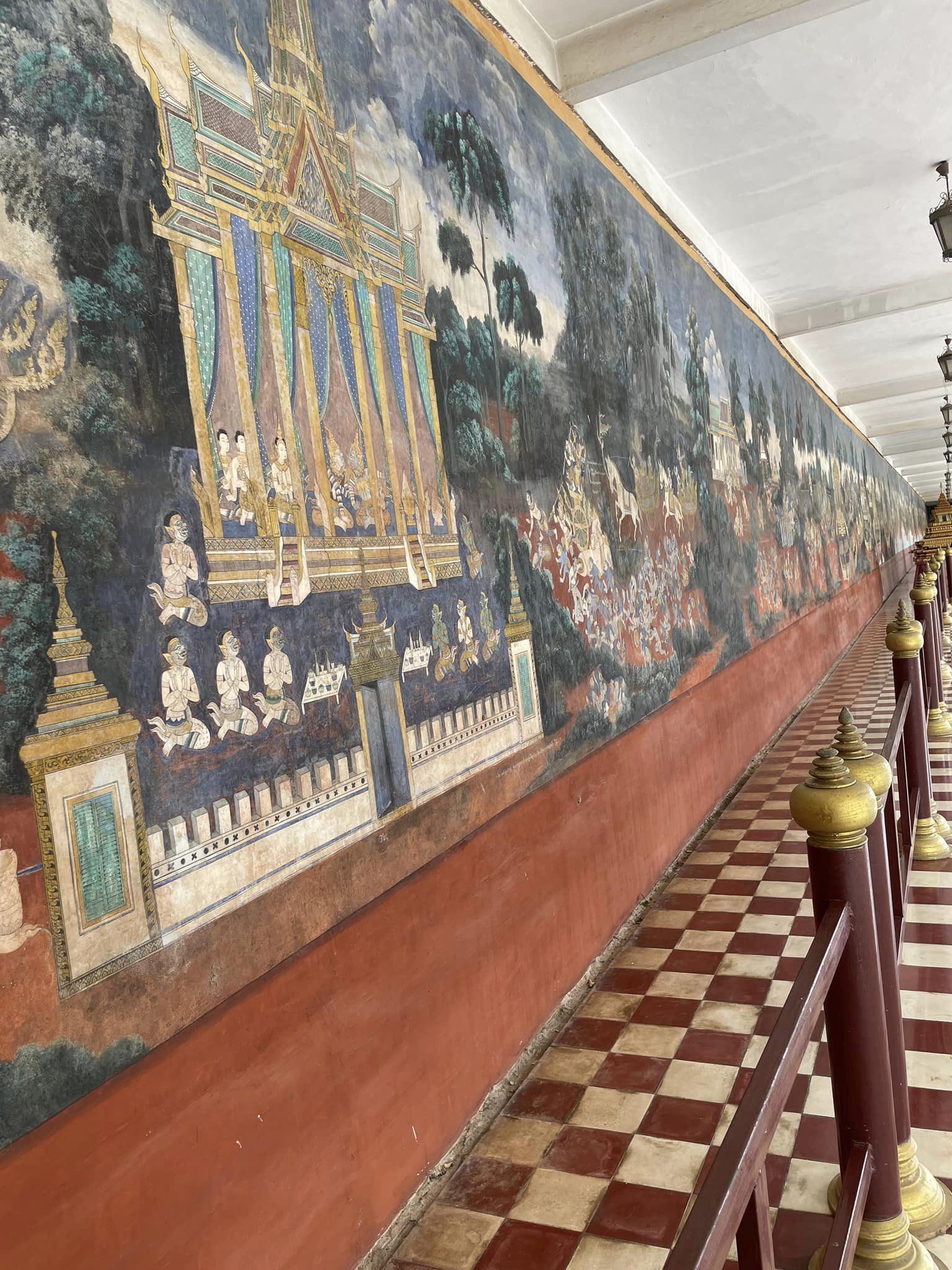
Ramayana is a Sanskrit classic in this part of the world. This painting in the Royal Palace shows that it’s a long, long story (642m long to be precise). This Hindu fable is full of life lessons with lots of trickery, deception, guilt, heartbreak and favours. It depicts the kidnapping of King Rama’s wife, Sita, and the subsequent battle between the demon Ravana (who took her) and the monkey king’s army of monkeys.
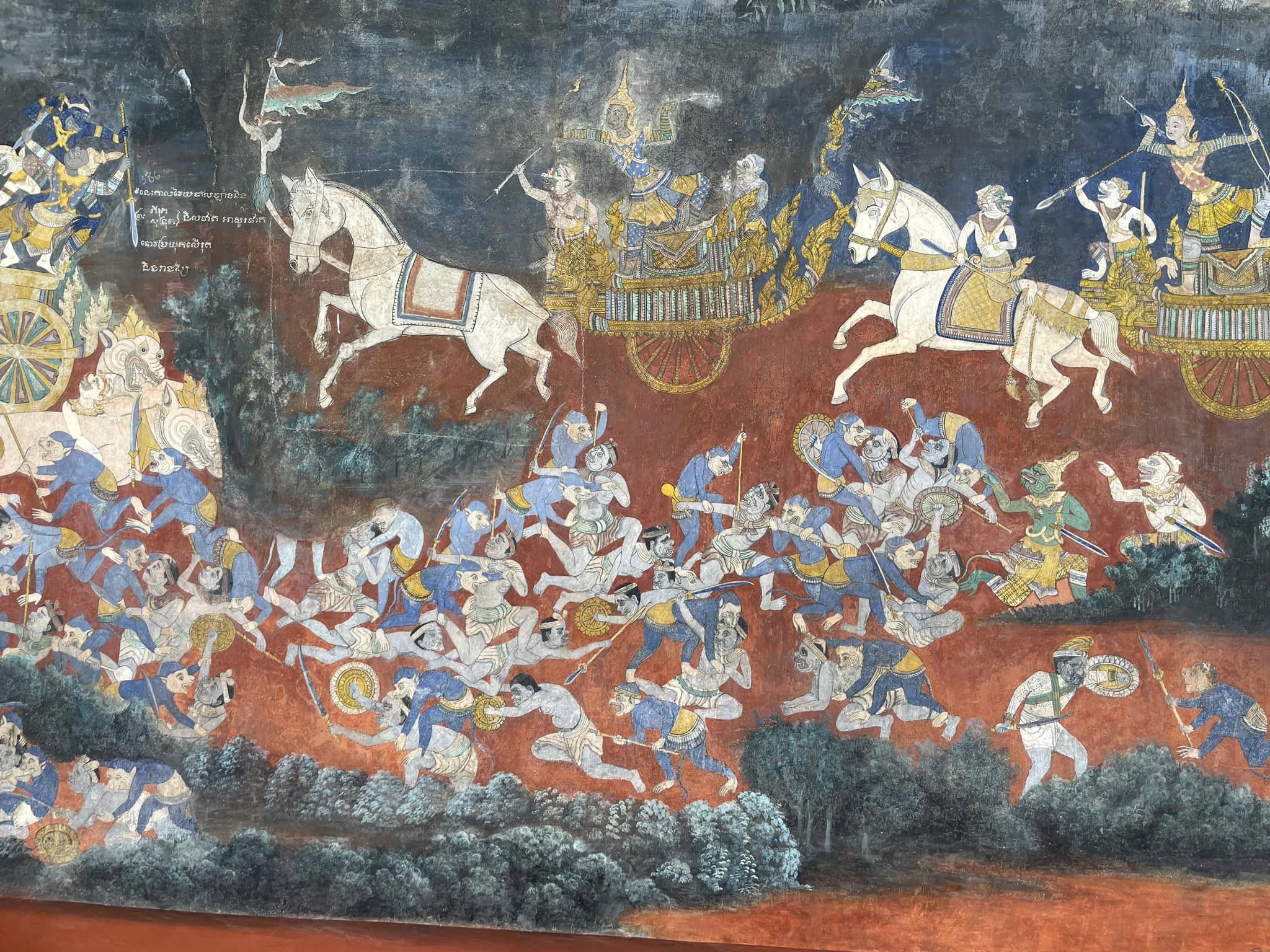
To cut a long story short (spoiler alert) the monkeys win, and Rama and Sita return to rule the kingdom that is rightfully theirs.
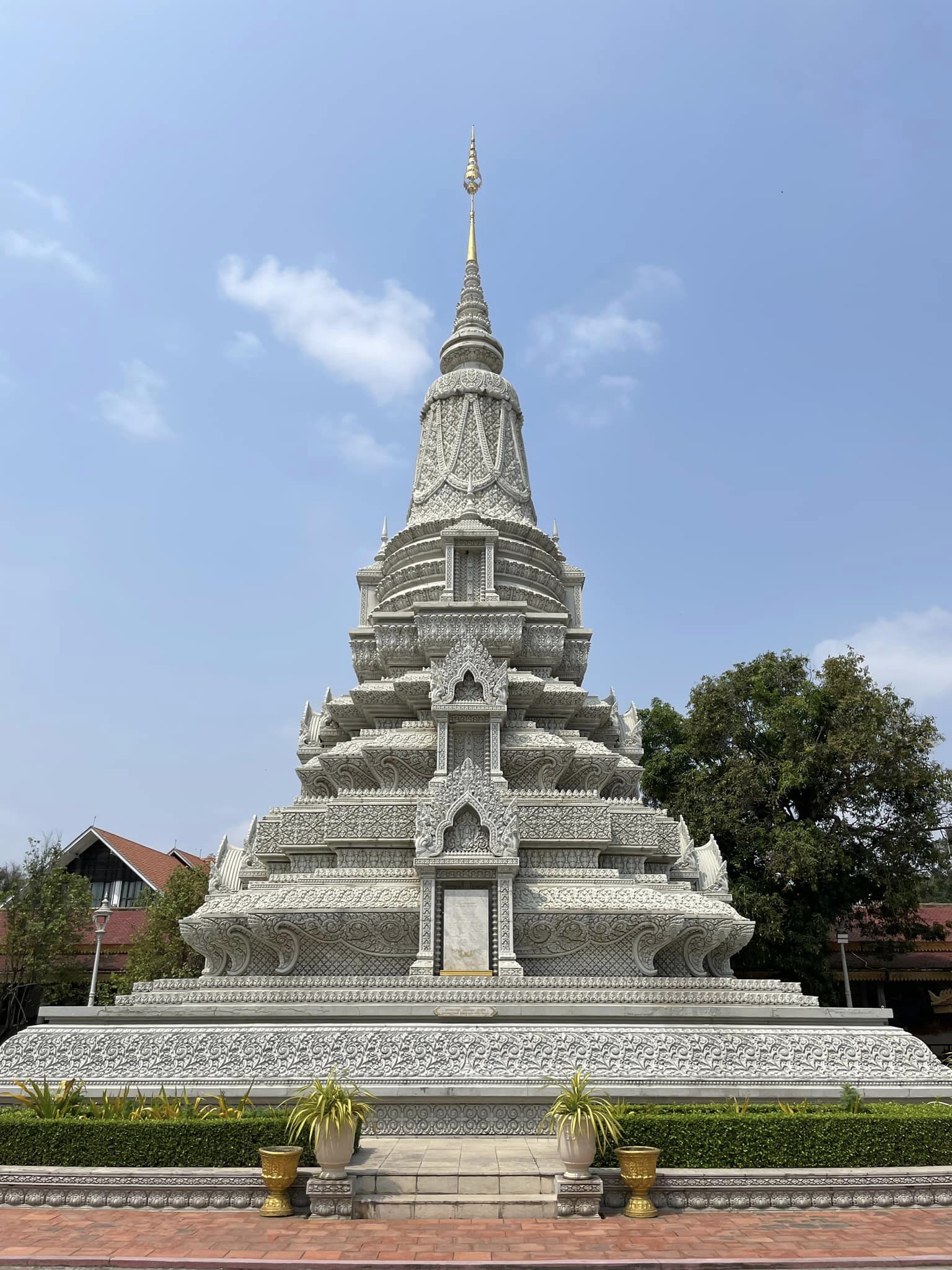
This stupa is interesting. The king for whom this stupa was built, very much loved his daughter and the two are buried here together. The queen got her own stupa across the courtyard…
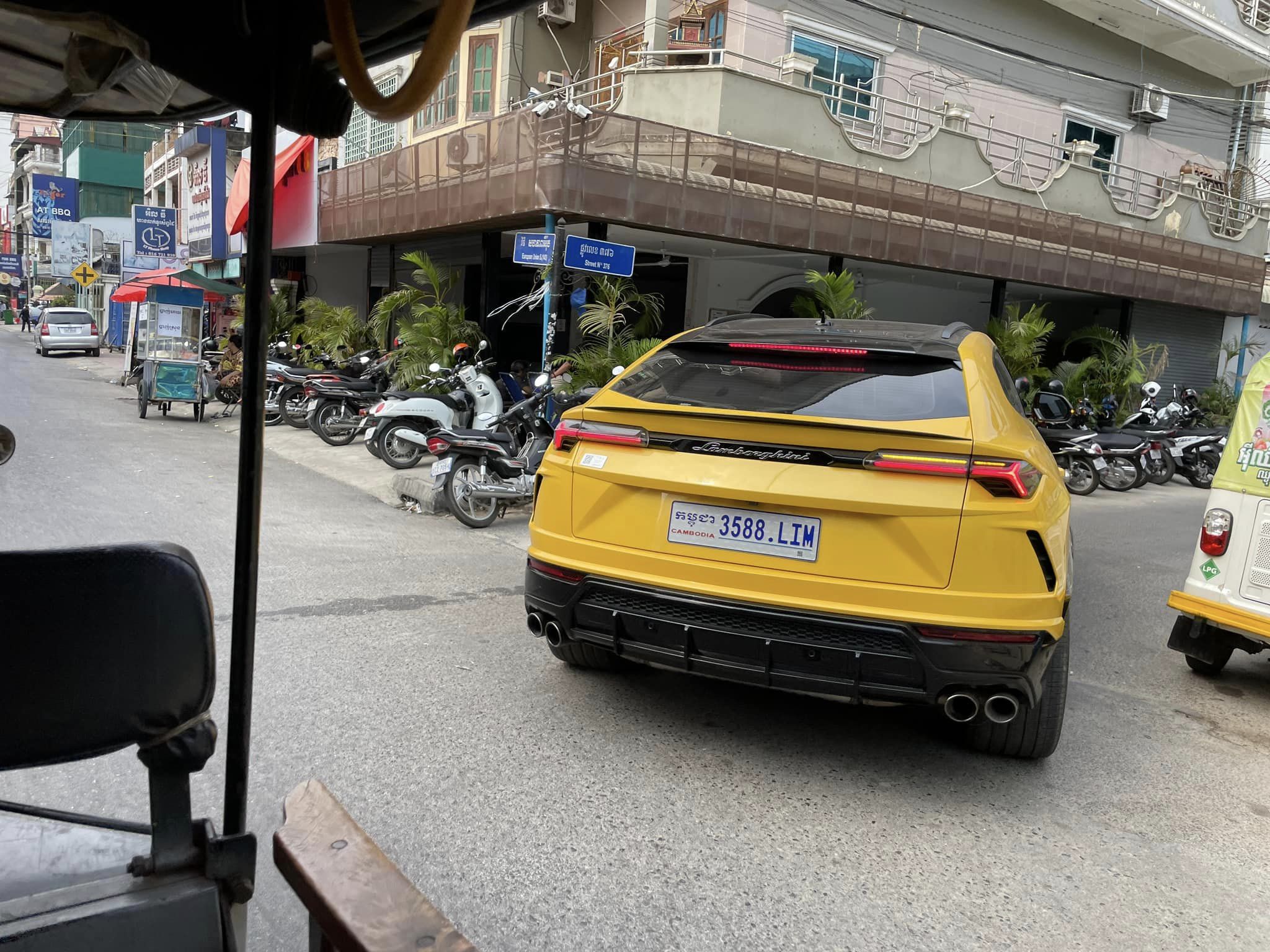
The disparity between the haves and the have nots: a Lamborghini mixed in with tuk tuks.