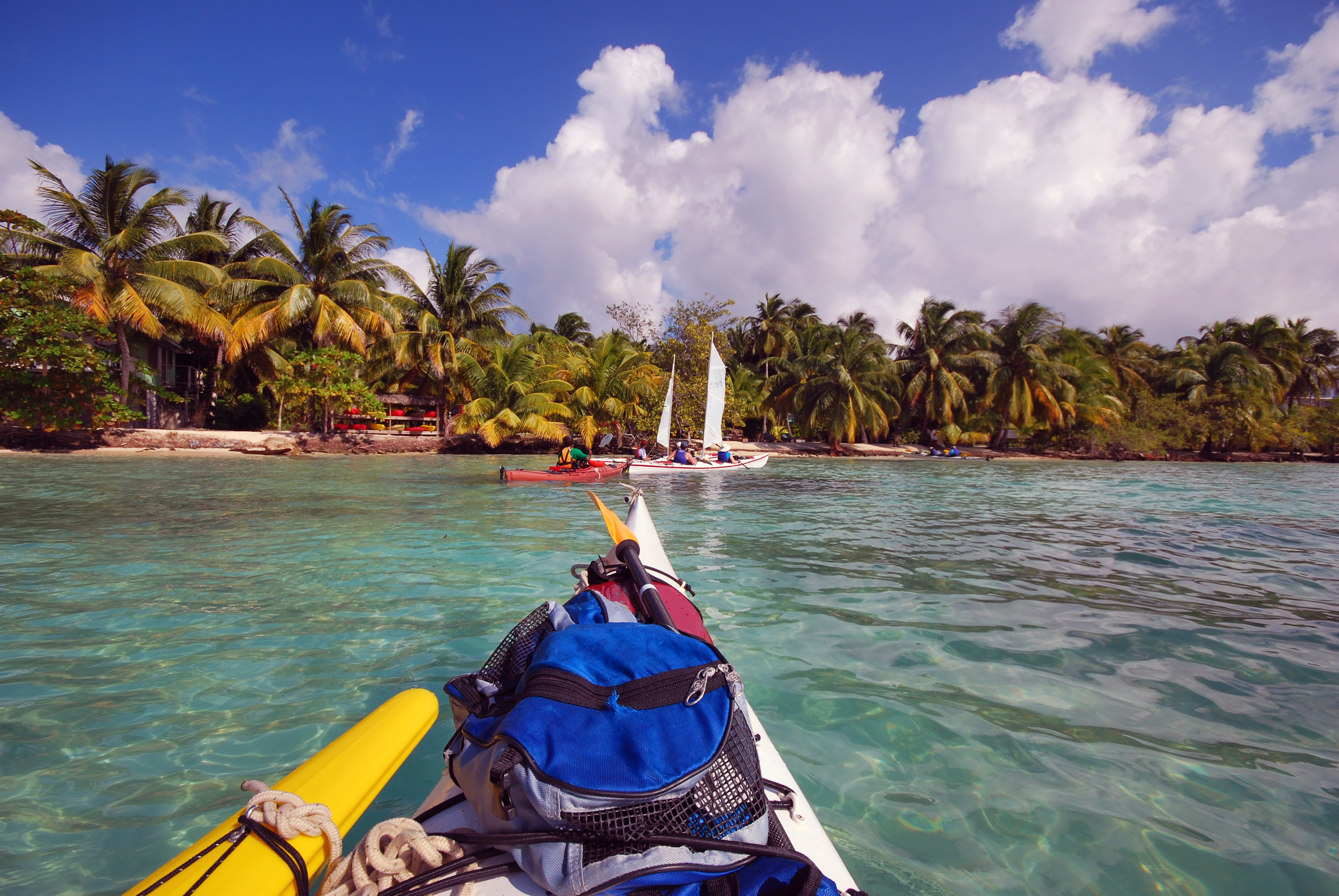
April, 2017
Seductive South Water Caye

Arrived at South Water Caye, just in time to give the kayaks (or us?) a well-deserved rest.
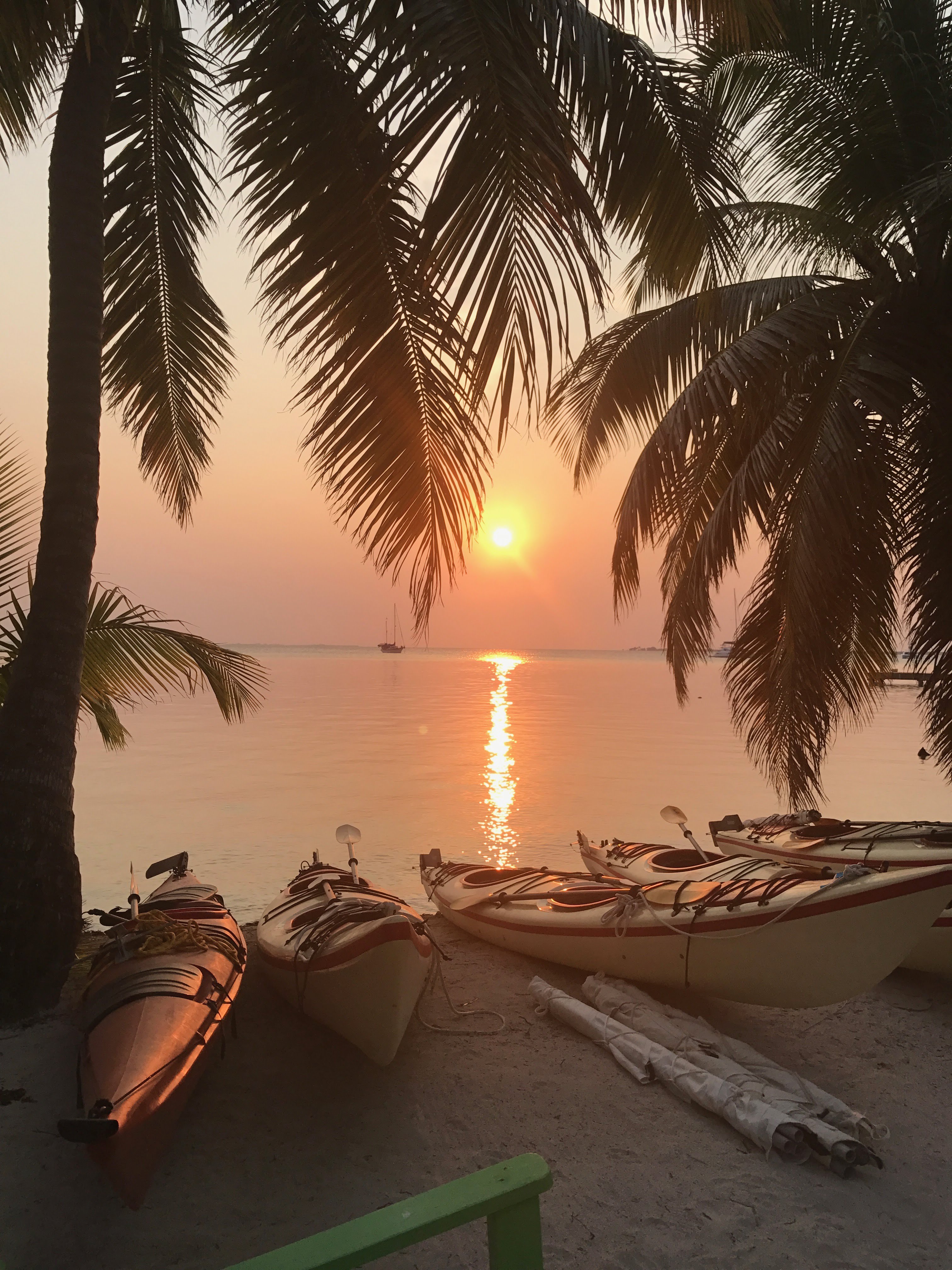
Bedding up for the night...hopefully there are no big waves that carry our chariots away in the night.
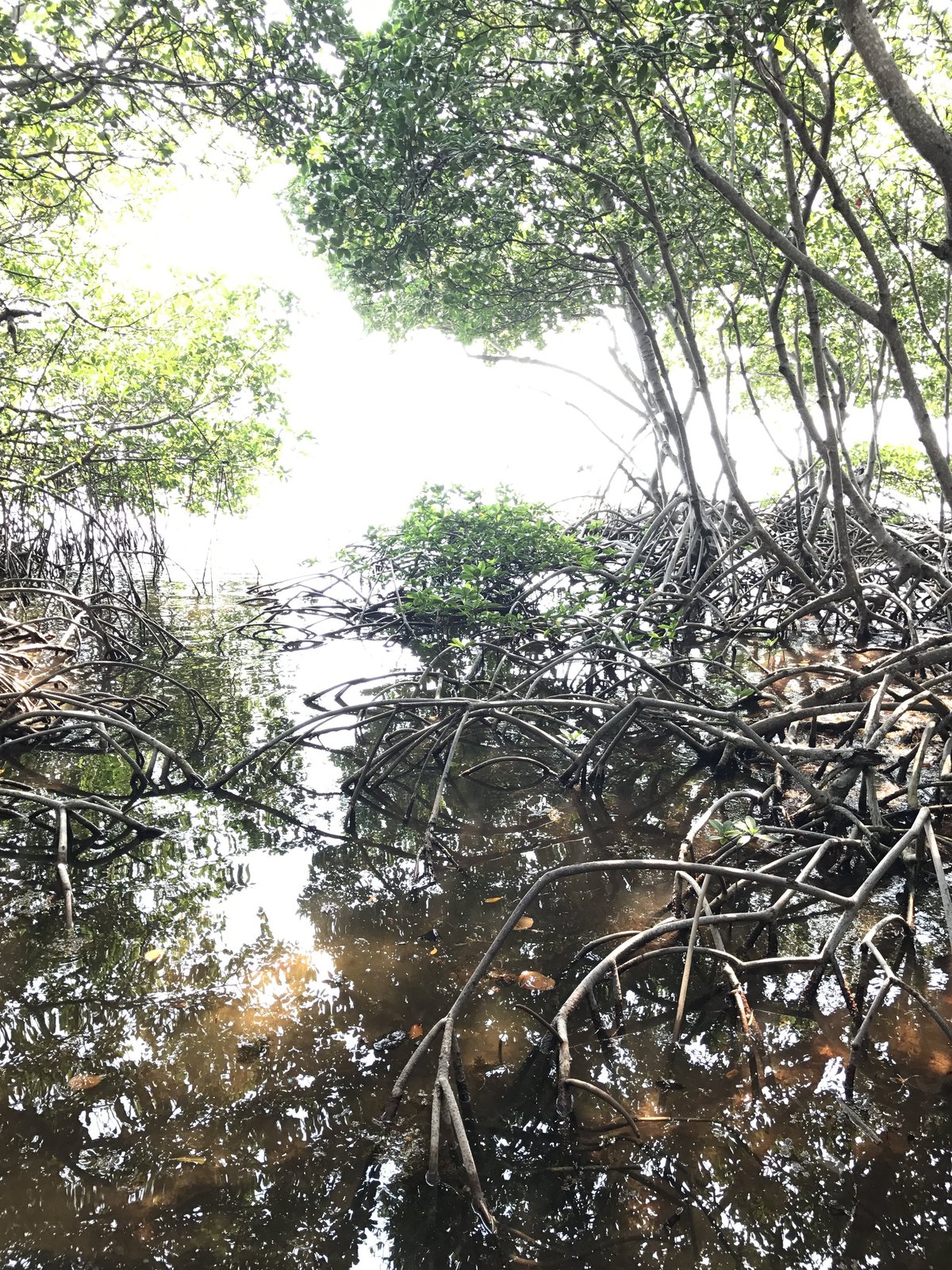
Mangroves used to protect many of the Cayes from erosion. Sadly, resort and tourism development cleared much of this natural erosion protection to the point that some have lost over 100m of beach over the past 50 years.
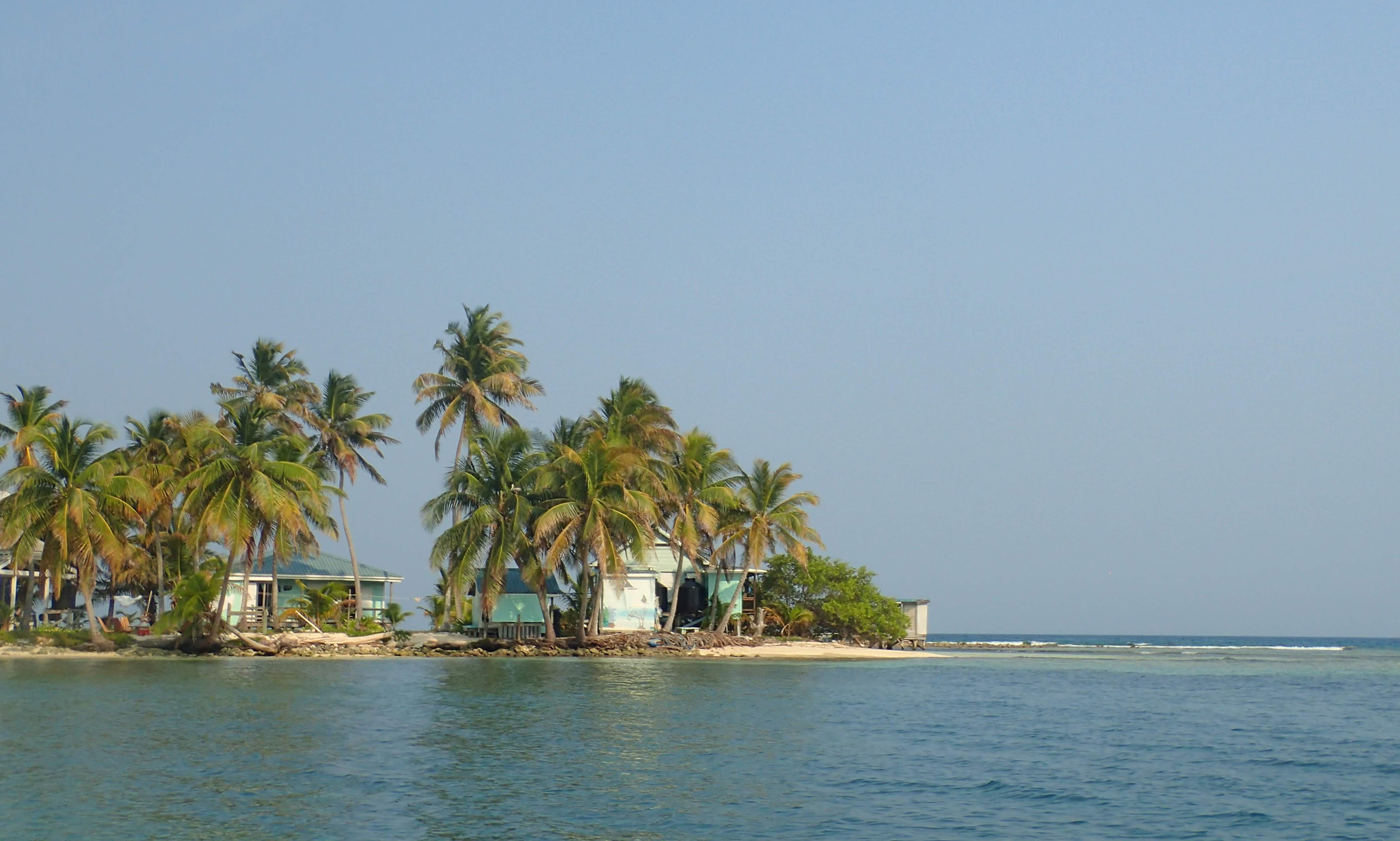
We were lucky to visit the Smithsonian's Caribbean Coral Reef Ecosystems Program at the Carrie Bow Bay Marine Field Station. We had the pleasure of meeting the couple who run the station that hosts over 100 scientists a year.
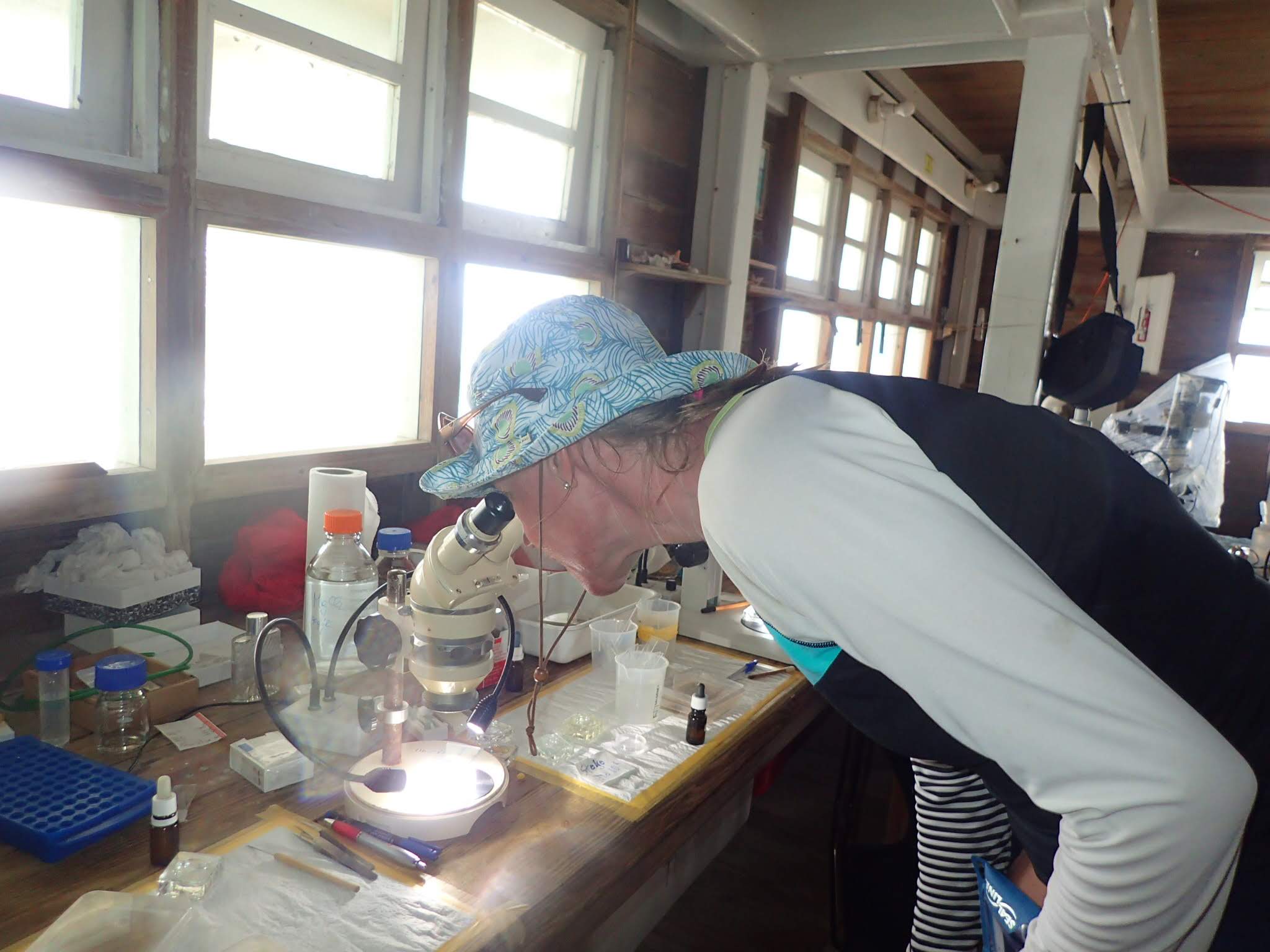
Despite the rather rustic lab at the research station, they have managed to produce nearly 900 publications so far from their research here.
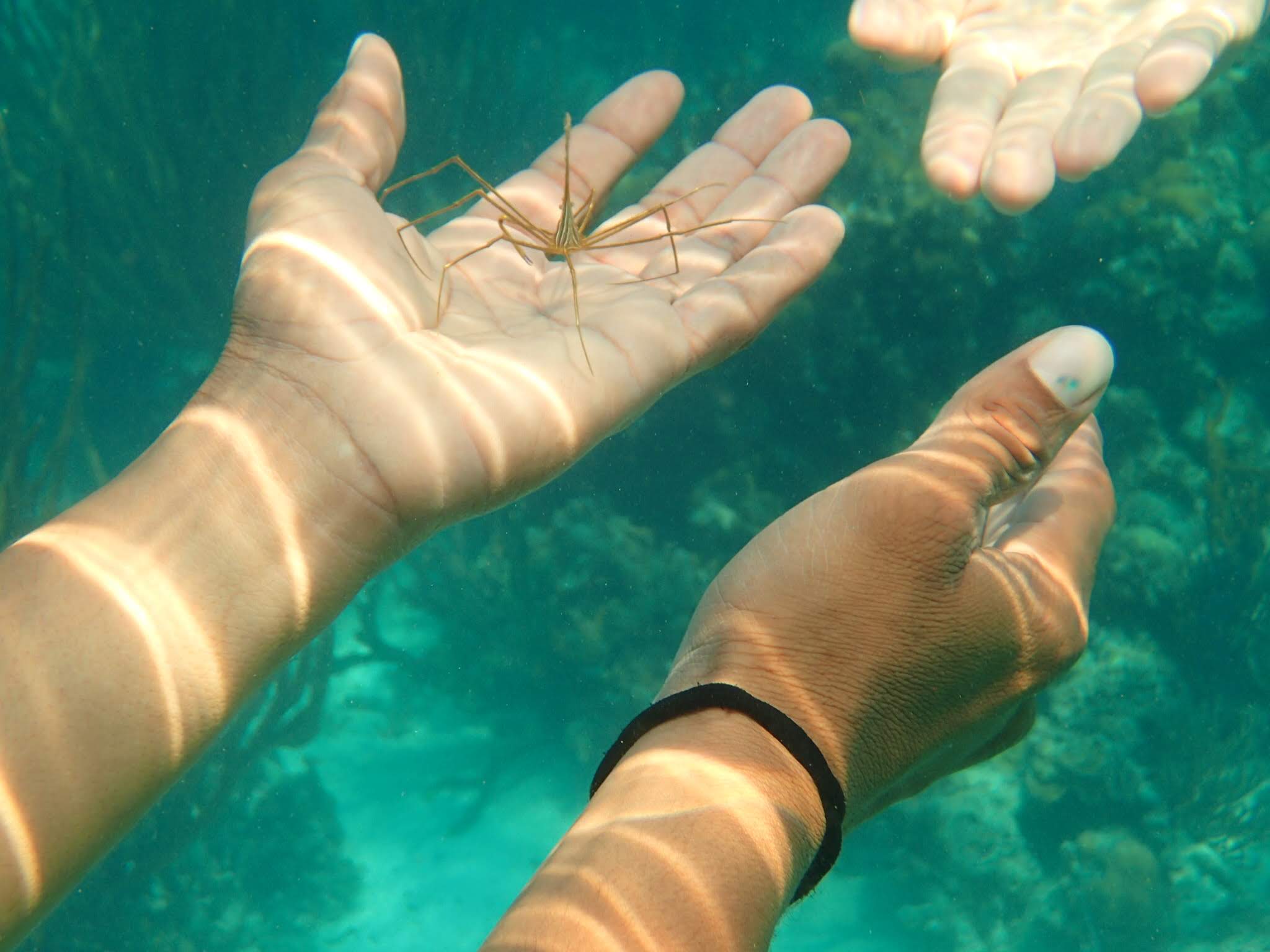
Never would I ever let a land spider crawl across my hand!
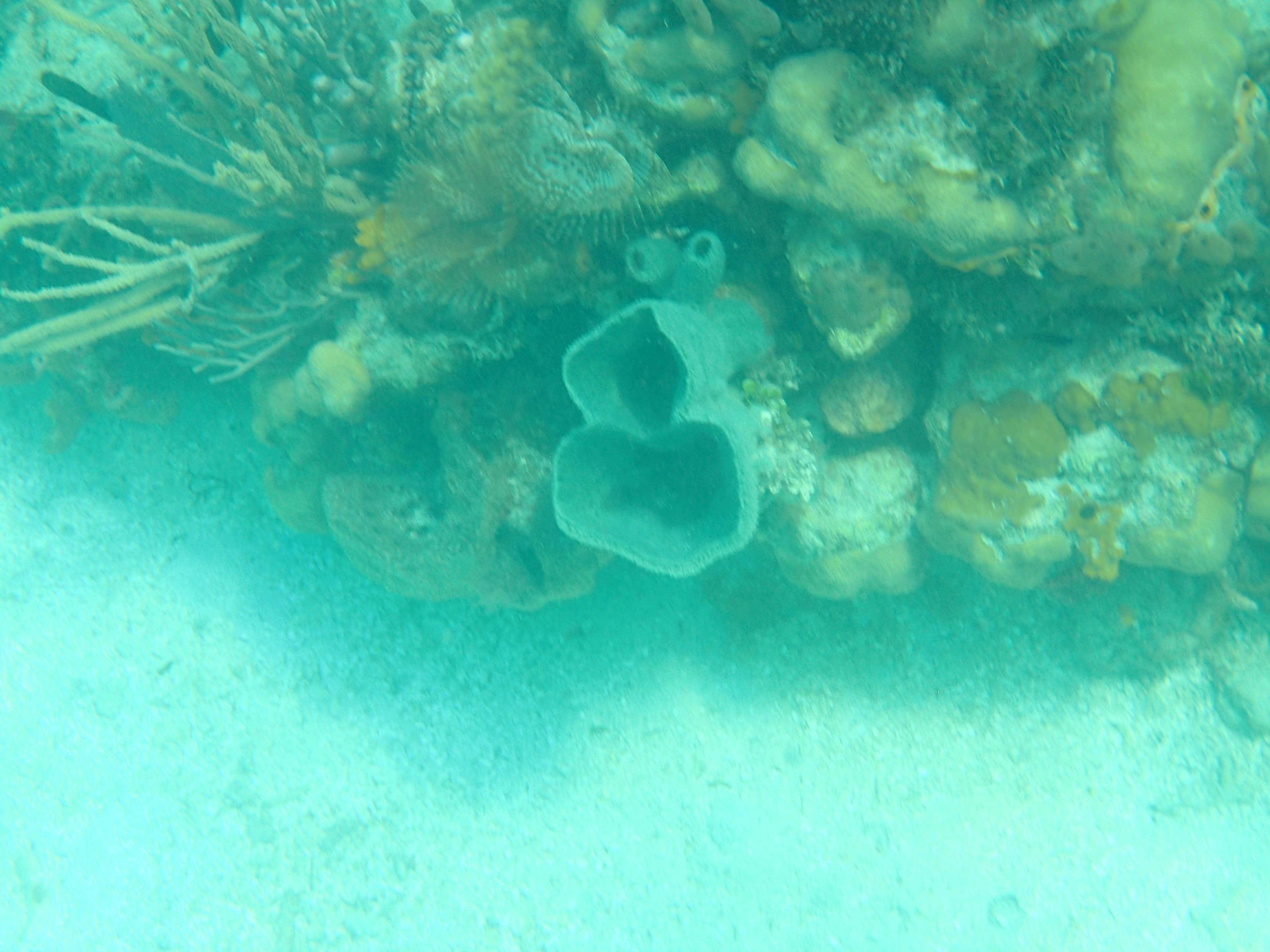
This looks like something out of the Muppets but it's actually a Belize Sea Squirt. While it looks like a sea sponge, it's actually an animal distantly related to us...perhaps this fella looks like one of your favourite uncles? This is an eating machine (maybe like that favourite uncle), pumping seawater through one siphon, filtering out tiny food particles and expelling water through the other siphon. What is really special about this one is it is a double one which gives it that oddly humanoid vibe with two "eyes".

Not intentionally incognito, just extreme sun protection. Don't worry, Meena is safe in the front of the kayak!
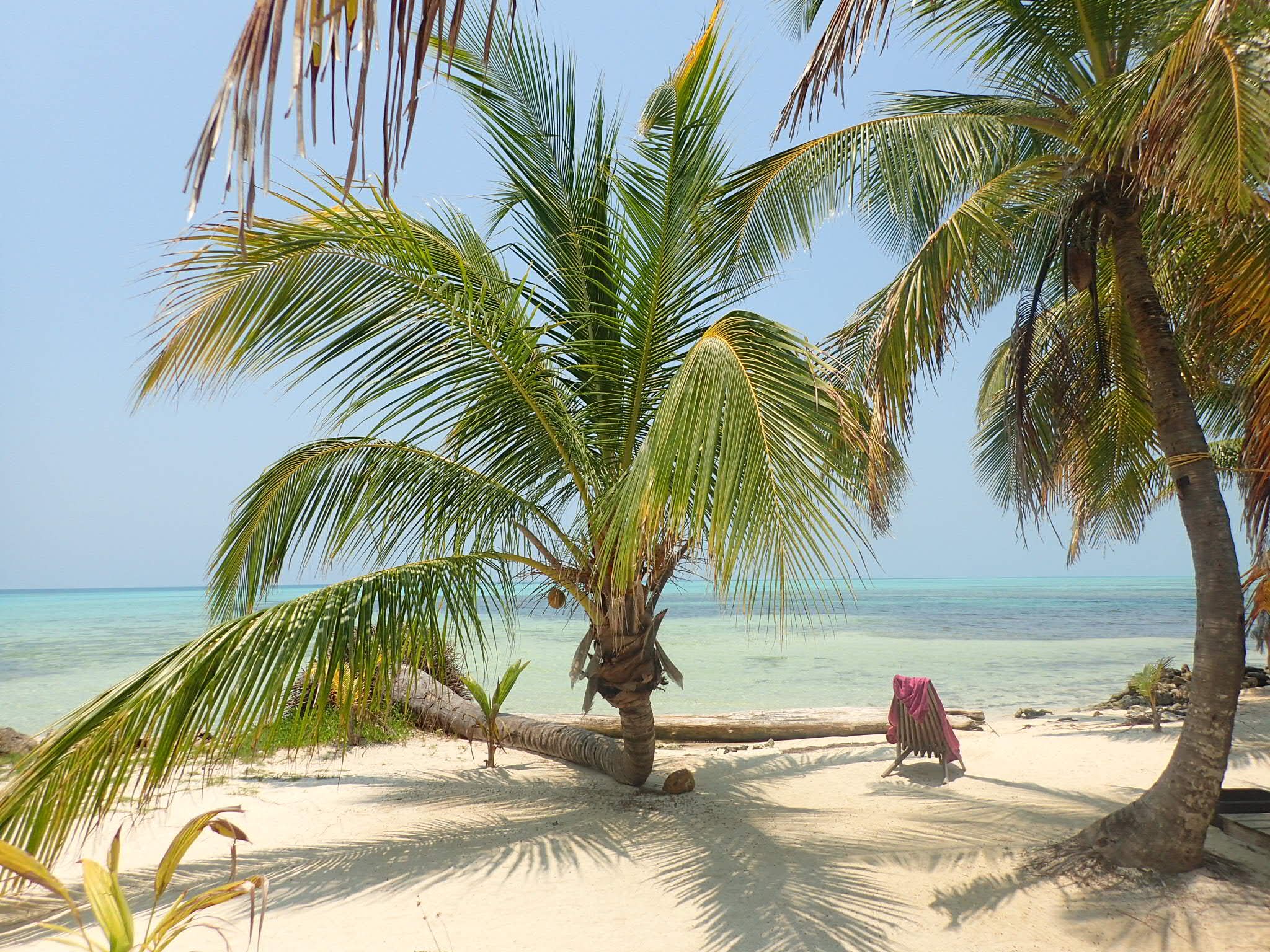
Could there possibly be a better spot to sit and soak it all in?
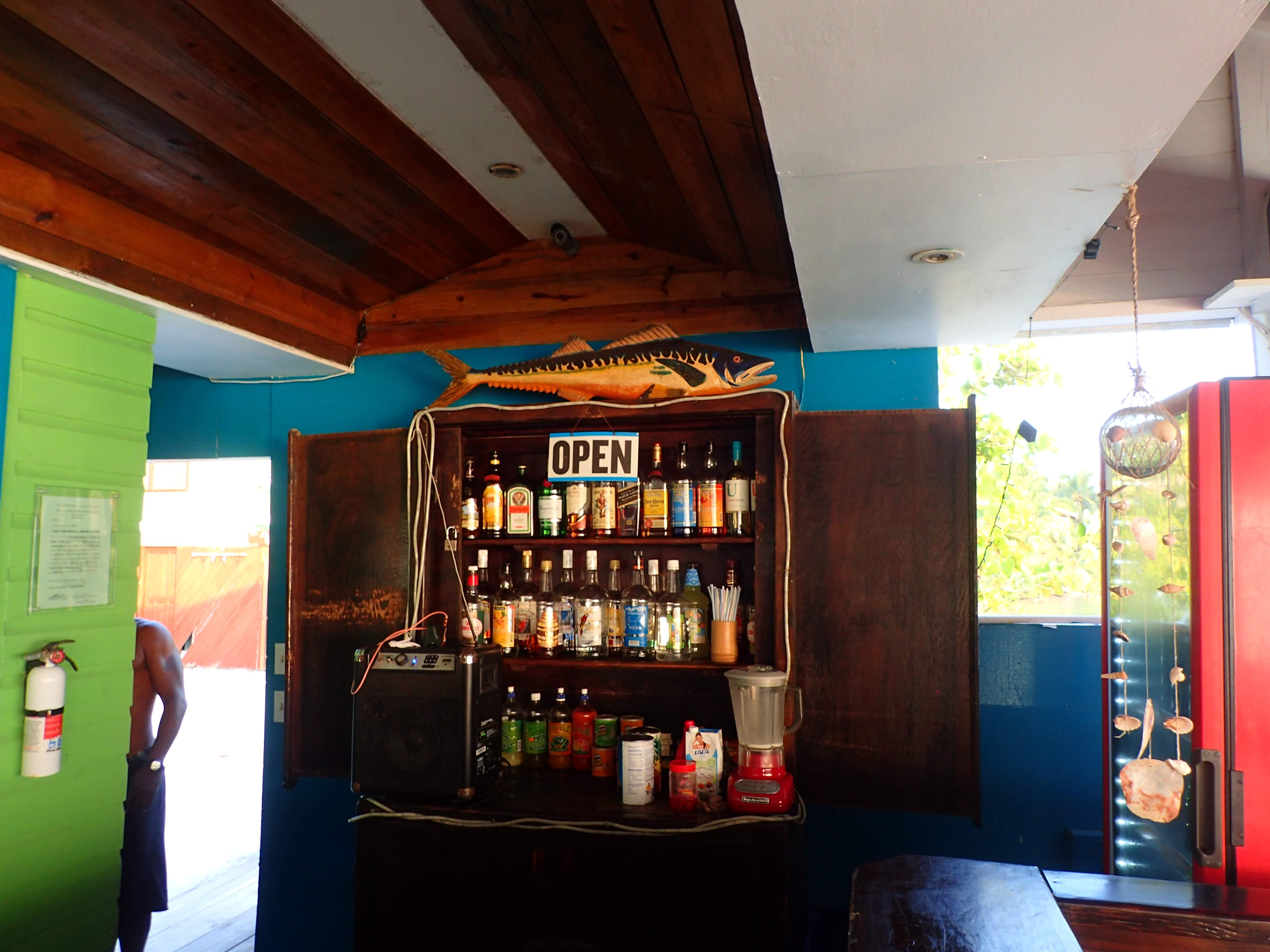
So remember how we were told that the Cayes were dry so we did our part to rid the airport shop of its alcohol inventory? Hmmm, this bar seems better stocked than our wheelbarrow bar! A little island tall tale to promote sales in the airport shop perhaps?
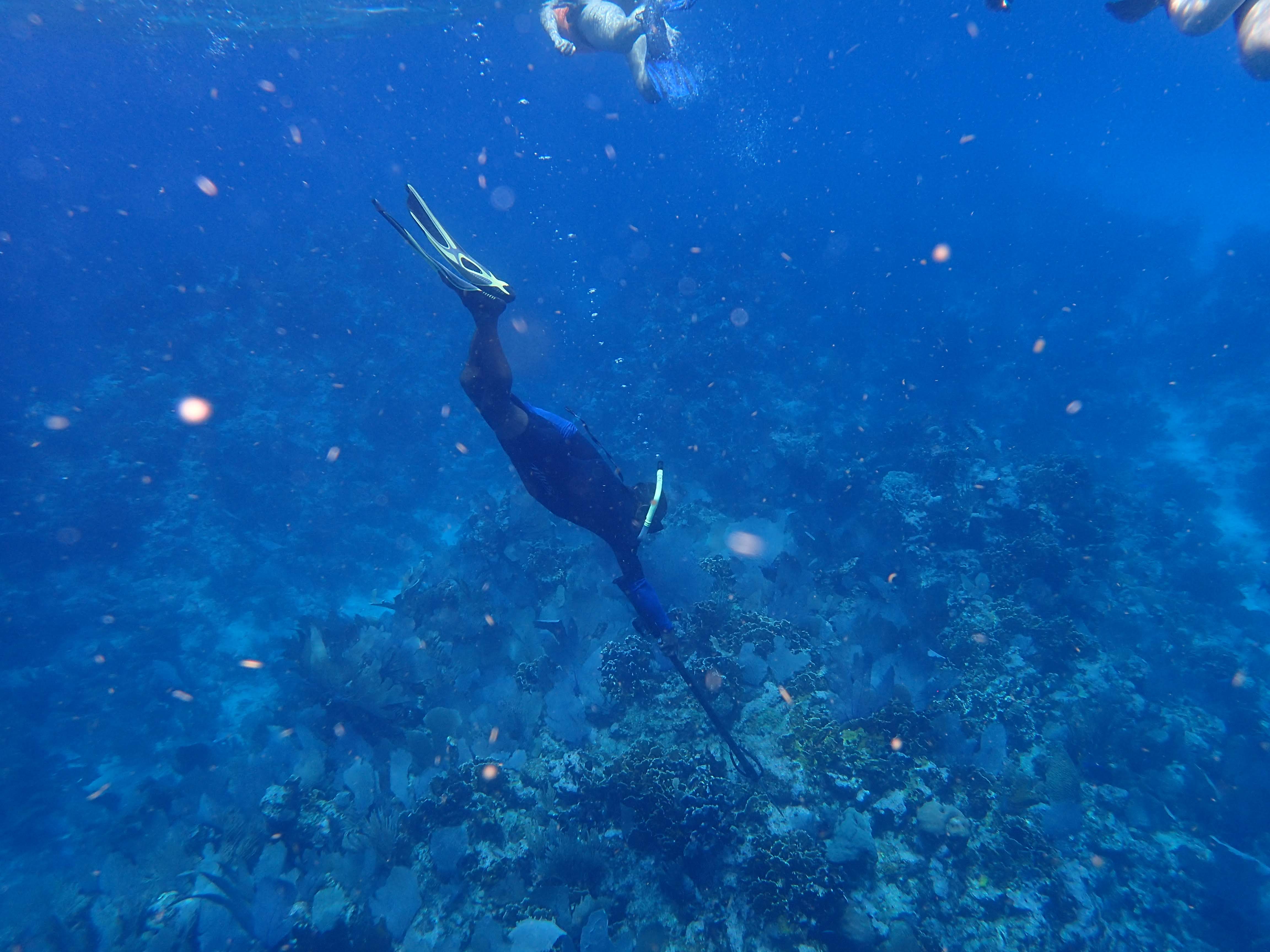
One of our guides diving to spear a lionfish. Lionfish are not native to the Caribbean, but ended up in these waters from the Indian and Western Pacific Oceans in the 1980s and are now all over the Caribbean. They are prolific reproducers with few predators that are not competing with native fish but eating them! It's a problem for a few reasons: some of what they are eating are part of the commercial fishery; and other fish are important for the health of the reef. Despite being this double threat to the reef ecosystem and fisheries, it's too late to try to eradicate them, so Belize does their best to keep the population under control. Divers and fishermen are encouraged to spear them and restaurants have put them on their menus: eat the invader so it doesn't eat the reef!
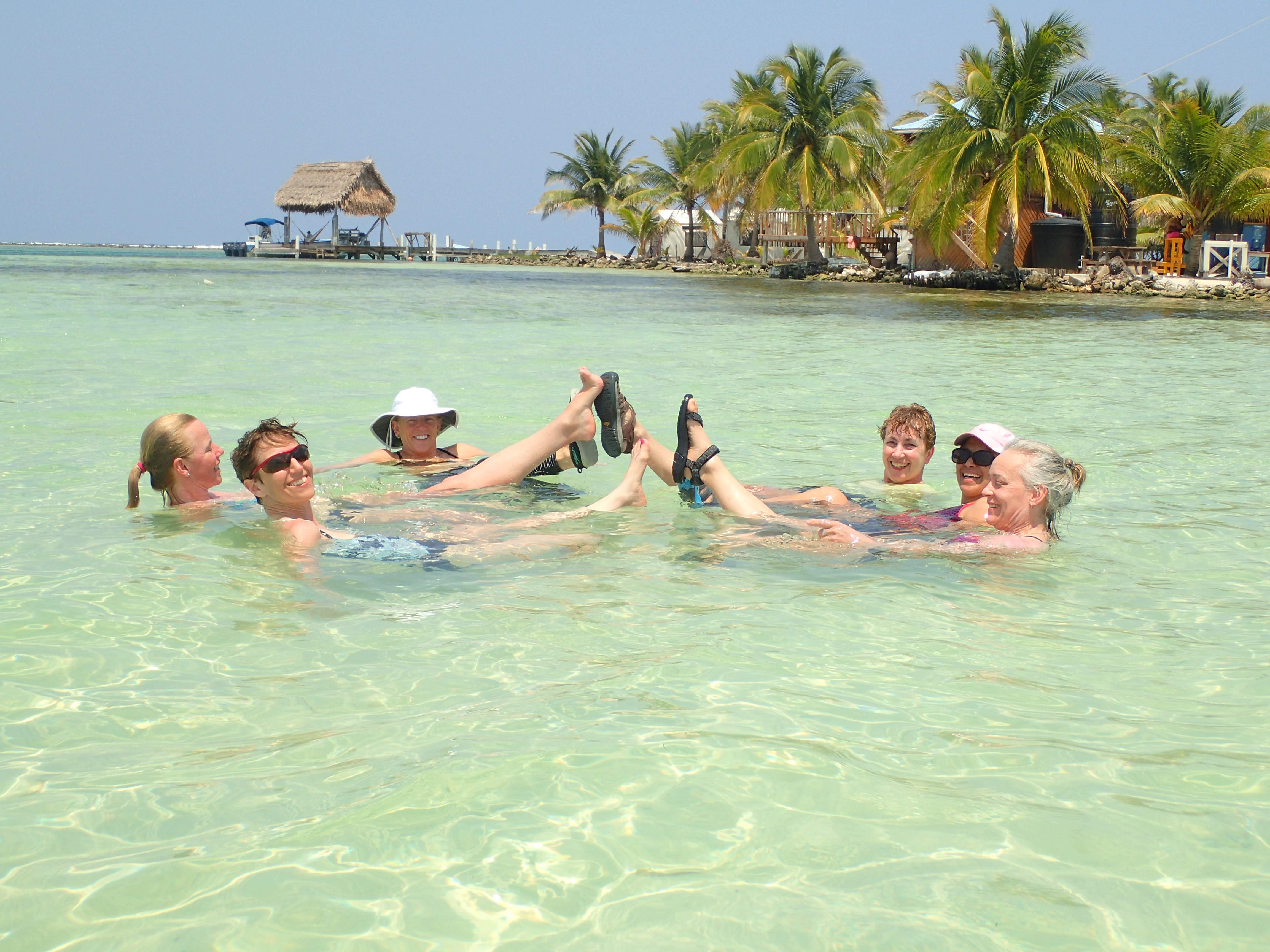
Excelling at our synchronized swimming skills!